


What Makes the SKETS Headquarters Project Different?
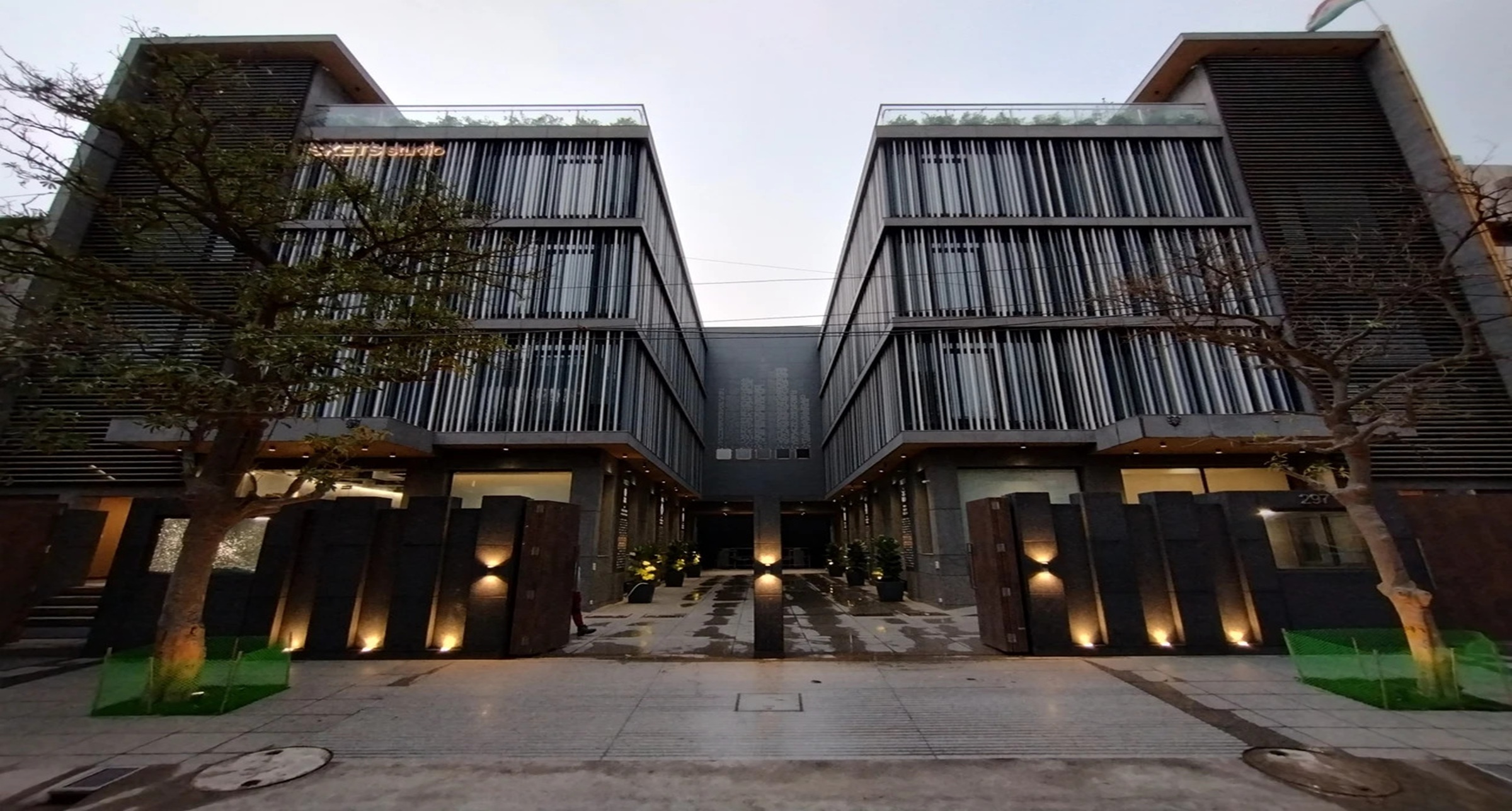
The SKETS Headquarters is more than an office space. It reflects how thoughtful design, collaboration, and BIM-driven planning can shape a workplace that meets both business and employee needs.
-
A Reflection of SKETS' BIM Expertise
As a company that has delivered thousands of BIM-led projects globally, SKETS used its own headquarters as an opportunity to apply the same digital-first approach internally. The project demonstrates how design information can be coordinated and managed within a connected workflow.
-
Real-World BIM Application in Construction
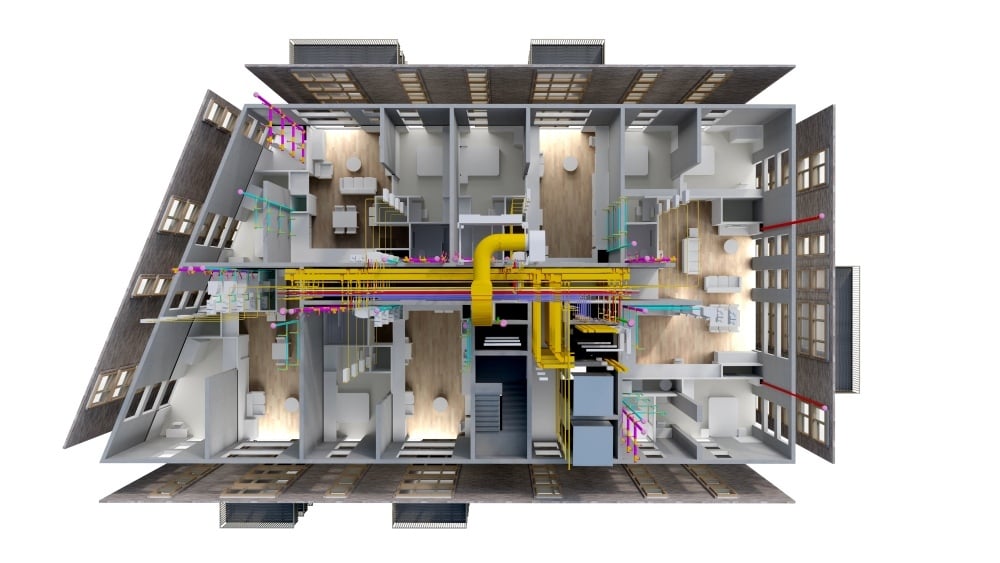
The headquarters showcases how BIM can be used beyond visualisation. By bringing architectural, engineering, and coordination information into a shared environment, project teams could review design intent, identify potential clashes, and make informed decisions before construction activities progressed.
-
Collaboration at the Core
The building is not developed through isolated workflows. Instead, different disciplines worked with interconnected project information, helping reduce communication gaps and ensuring that project objectives remained aligned throughout the design and execution stages.
-
Built for Long-Term Growth
As a 10-storey corporate facility, the headquarters was designed to accommodate future expansion while supporting modern ways of working. This forward-looking approach mirrors the broader industry shift towards digitally enabled and scalable project delivery.
-
A Practical Learning Example for AEC Professionals
Rather than being a theoretical BIM case study, the SKETS Headquarters project provides a tangible example of how digital coordination, stakeholder collaboration, and integrated planning can contribute to a more organised construction process and a better workplace environment.
How does BIM Continue to Help after Construction Ends?
Here are some ways BIM continues to support a building even after construction is complete:
-
Easier Building Maintenance
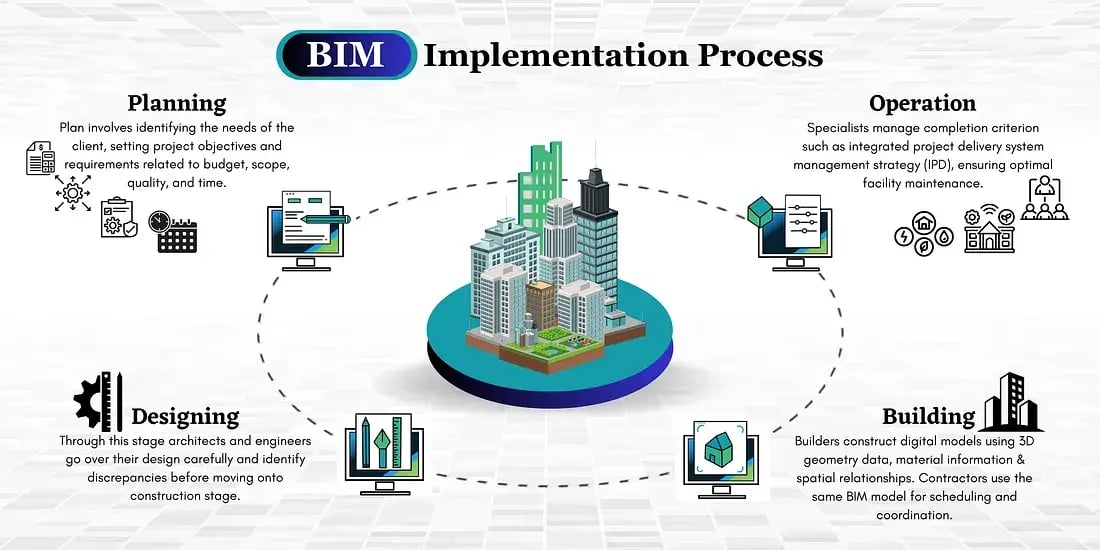
The Building Information Model serves as the digital logbook of the entire building, holding data regarding the building systems, equipment, materials, and even layout information. Rather than going through numerous documents, information can be easily accessed from the BIM. This is one of the key advantages of BIM in construction that stays long after project completion.
-
Faster Repairs and Upgrades
Regardless of whether equipment replacement or renovation is being considered, information regarding the building will save a lot of time. The BIM model can be used to assess the current situation so that the team is aware of what to expect during the renovations
-
Better Facility Management
The use of BIM technology in construction supports efficient building operations by providing a central source of information. Facility managers can track assets, schedule maintenance activities, and monitor building performance more effectively throughout the asset's lifecycle.
-
Improved Space Planning
With growing organisational development and changing requirements in workplaces, there may be a need for restructuring the space. BIM models can help in evaluating existing spaces and planning future layout designs to see what effect they would have on the building system.
-
Long-Term Value for Building Owners
One of the strongest outcomes of the implementation of BIM in construction industry practices is the creation of a reliable digital asset that remains useful for years. Rather than serving only the construction phase, BIM continues to support operational efficiency, informed planning, and better building management throughout the life of the property.
Which Technologies are Changing Modern Building Workflows?
The construction industry is no longer driven by drawings alone. Digital tools are helping project teams work faster, communicate better, and make more informed decisions throughout the building lifecycle.
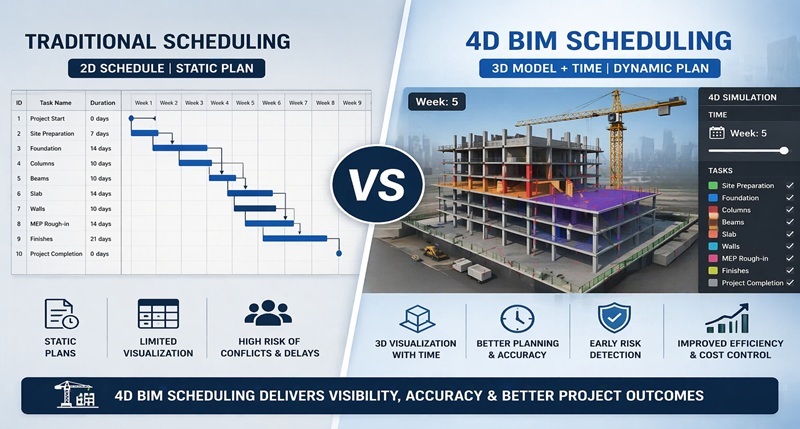
- Building Information Modelling: To understand how BIM works in construction, think of it as a shared digital model that brings architectural, structural, and MEP information together in one place. This helps teams coordinate designs, identify issues early, and reduce costly rework during construction.
- Virtual Reality (VR): The use of BIM and VR in construction allows stakeholders to experience a building before it is built. Designers, clients, and project teams can virtually walk through spaces, review layouts, and make design adjustments with greater confidence.
- Cloud-Based Collaboration Platforms: Modern cloud solutions enable teams to access project information from anywhere. Real-time updates improve communication, minimise version-control issues, and keep everyone working from the latest project data.
- Digital Twins: It creates a virtual representation of a physical asset. Building owners can use them to monitor performance, track maintenance needs, and support long-term facility management.
- Artificial Intelligence and Data Analytics: AI-powered tools like Architectures, Finch 3D, Adobe Firefly, Hypar, etc., can analyse project data, identify patterns, and support planning decisions. This helps teams improve efficiency and reduce project risks.
Lessons Architects and Engineers can Learn from SKETS Studio's Project?
The SKETS Headquarters project offers several practical takeaways for professionals looking to improve project delivery, coordination, and long-term building performance.
-
Start Coordination Early
One of the biggest lessons is the importance of involving different disciplines from the early design stages. Early coordination helps identify potential issues before they become costly challenges during construction.
-
Use Technology as a Collaboration Tool
Successful projects rely on people working together, not just software. While BIM software tools provide valuable project information, their real strength lies in helping teams communicate and make informed decisions.
-
Design with Future Needs in Mind
The headquarters was planned to support a growing workforce, highlighting the value of creating flexible spaces that can adapt to changing requirements over time.
-
Focus on Long-Term Building Performance
The above project shows that digital planning can enhance operational efficiency even after construction. The use of digital planning is consistent with the increasing use of BIM in sustainable construction, where better planning can contribute to resource efficiency and smarter building management.
-
Create a Central Source of Information
Collaborating in a common digital workspace makes sure that everything is at one place. There’s no need to search through several files, drawings, or emails to find out about the latest progress; everything is available from one location.
.png)