---
title: How Delhi-Mumbai Industrial Corridor Are Built using BIM?
description: Learn how BIM supports planning, coordination, and execution in the Delhi-Mumbai Industrial Corridor project.
image: https://blog.novatr.com/hubfs/Industrial%20corridor%20with%20highways%2c%20railways%2c%20and%20logistics%20hubs.jpg
---
[Blogs](https://www.novatr.com/learning-hub)
- [Architecture & Construction](https://www.novatr.com/learning-hub?category=Architecture+%26+Construction)
- [BIM](https://www.novatr.com/learning-hub?category=BIM)
- [Computational Design](https://www.novatr.com/learning-hub?category=Computational+Design)
- [Company News](https://www.novatr.com/learning-hub?category=Company+News)
- [Expert Talks](https://www.novatr.com/learning-hub?category=Expert+Talks)
Explore Courses
[Just Launched  BIM Professional Program v.2026 Take your career to the next level by mastering the real-world application of BIM. Know More](https://www.novatr.com/courses/bim-professional-program)
[ Master Computational Design Course Break into an advanced career by learning to apply the power of computation to the art of design. Know More](https://www.novatr.com/courses/computational-design)
[Blogs](https://www.novatr.com/learning-hub)
Explore Blogs
- [Architecture & Construction](https://www.novatr.com/learning-hub?category=Architecture+%26+Construction)
- [BIM](https://www.novatr.com/learning-hub?category=BIM)
- [Computational Design](https://www.novatr.com/learning-hub?category=Computational+Design)
- [Company News](https://www.novatr.com/learning-hub?category=Company+News)
- [Expert Talks](https://www.novatr.com/learning-hub?category=Expert+Talks)
Courses
- [BIM Professional Program v.2026](https://www.novatr.com/courses/bim-professional-program)
- [Master Computational Design](https://www.novatr.com/courses/computational-design)
- [CIVIL/](https://www.novatr.com/learning-hub?category=BIM)
Featured Article
# How Delhi-Mumbai Industrial Corridor Are Built using BIM?

Deependra Dobriyal
June 5, 2026
7 min read
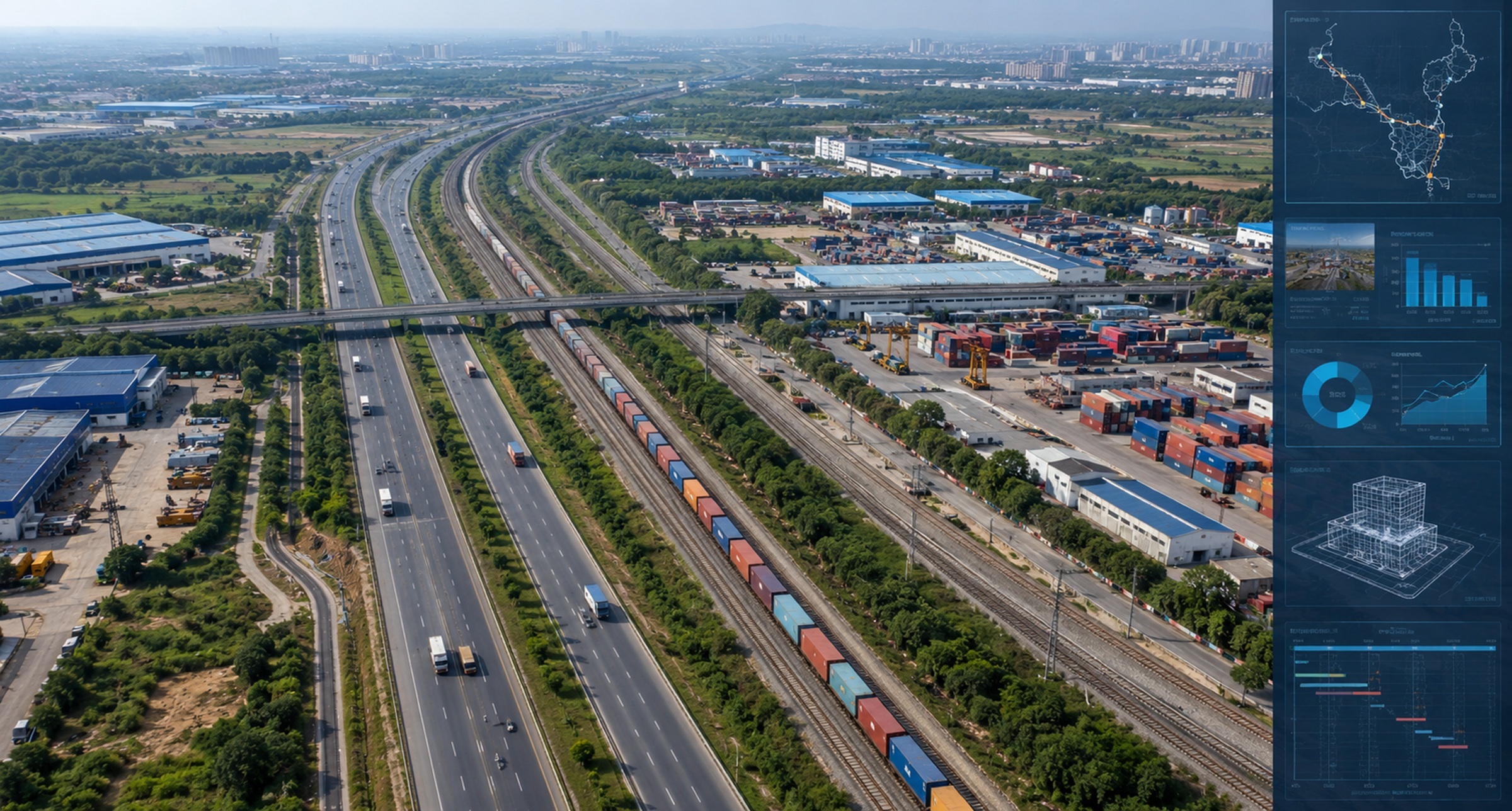

The **Delhi Mumbai Industrial Corridor** is one of India’s largest infrastructure development projects, covering industrial zones, freight corridors, logistics hubs, transportation systems, and smart cities across multiple states. Managing infrastructure at this scale requires accurate coordination, phased planning, and continuous data management, which is why **BIM in construction** has become increasingly important in large infrastructure projects.
According to the National Industrial Corridor Development Corporation (NICDC), the corridor covers nearly [1,504 km](https://nicdc.in/projects/national-industrial-corridor-development-programme/delhi-mumbai-industrial-corridor-dmic) along the Western Dedicated Freight Corridor across multiple Indian states. The continued expansion of the Delhi Mumbai industrial corridor DMIC also supports industrial growth, logistics connectivity, and digitally coordinated infrastructure planning. BIM workflows help teams improve visualization, scheduling, coordination, and execution throughout different project stages.
This guide explores how BIM workflows support planning, coordination, and execution in large-scale infrastructure projects like DMIC.
Unlock High-Paying Careers With BIM
Master BIM workflows, software and skills on real projects.
Apply Now
\*Limited seats available
## **About DMIC Project:**
The Delhi-Mumbai Industrial Corridor (DMIC) is a major infrastructure initiative developed to improve industrial connectivity between Delhi and Mumbai. The project includes industrial townships, freight corridors, logistics hubs, transportation systems, and utility infrastructure across multiple regions.
The **Delhi Mumbai Industrial Corridor** was planned to support manufacturing growth, improve freight movement, and strengthen industrial development. Since the project involves several agencies and large infrastructure systems, coordination becomes a critical part of planning and execution.
Major project components include:
- Industrial smart cities
- Freight and logistics infrastructure
- Transportation networks
- Utility systems
- Industrial clusters
- Sustainable urban planning
Projects like the **Delhi Mumbai Industrial Corridor DMIC** require strong coordination between planning, design, execution, and long-term operations. This is where BIM workflows support infrastructure teams more effectively.
## **What is BIM in Construction?**
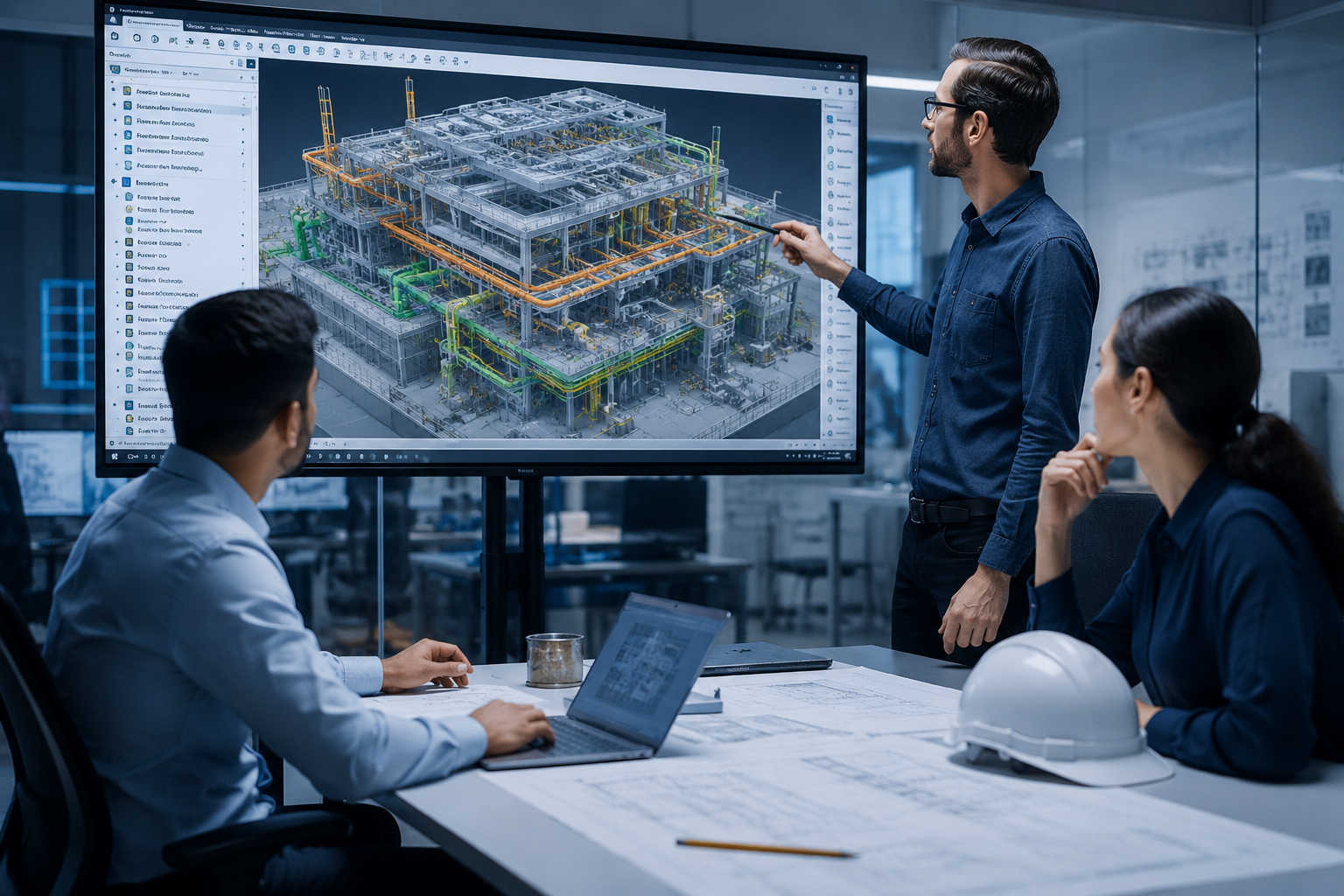
Building Information Modeling (BIM) is a digital process used to create and manage project information across design, construction, and operations. Instead of depending only on drawings, BIM combines 3D models with scheduling, quantities, material details, costs, and maintenance data.
Today, **BIM in construction** helps project teams work within a shared digital environment where updates and coordination can happen more efficiently.
BIM is commonly used for:
- 3D visualization
- Clash detection
- Quantity estimation
- Construction sequencing
- Documentation management
- Facility maintenance
In infrastructure projects, BIM improves coordination between civil, structural, utility, and MEP systems while reducing design conflicts and rework.
Many infrastructure developers now focus on the [benefits of BIM](https://www.novatr.com/blog/benefits-of-bim-in-the-construction-industry) because digital workflows improve collaboration and project visibility throughout execution. The benefits of BIM modeling are especially useful in large transportation and industrial projects where several engineering systems must work together efficiently.
## **How BIM is Used in Large Infrastructure Planning**
Large infrastructure projects involve multiple engineering systems spread across long project corridors. In projects like DMIC, BIM helps teams organize and manage project information more effectively throughout planning and execution.
The workflow usually starts with terrain analysis, corridor planning, and utility mapping. Teams then create coordinated digital models for roads, industrial zones, rail links, drainage systems, and utilities.
BIM supports infrastructure planning by helping teams:
- Visualize project layouts
- Coordinate multidisciplinary systems
- Detect clashes before construction
- Improve scheduling accuracy
- Manage documentation efficiently
One of the major benefits of BIM in construction is improved coordination between consultants, contractors, and infrastructure teams working on different parts of the project.
Digital workflows also support phased construction planning, which becomes important in large corridor-based developments. This growing adoption has increased interest in the [benefits of 4D BIM](https://www.novatr.com/blog/what-is-4d-bim-a-complete-guide-to-construction-planning-using-bim) and the benefits of 5D BIM for sequencing, scheduling, and cost management.
## **Role of BIM in Coordination and Execution**
****
Infrastructure projects like DMIC involve several engineering disciplines working together simultaneously. BIM improves coordination by creating a centralized workflow where teams can access updated project information throughout execution.
During construction, BIM models are commonly used to coordinate:
- Structural systems
- Utility networks
- Transportation infrastructure
- Drainage systems
- Construction schedules
- Material quantities
One major advantage of BIM is clash detection. Teams can identify design conflicts before construction begins, helping reduce delays and rework on-site.
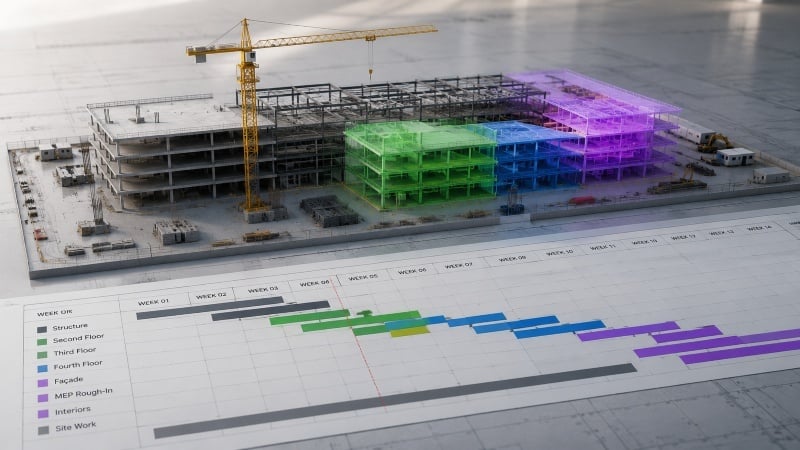
Another important benefit is construction sequencing. Through 4D BIM workflows, teams can connect schedules with digital models to visualize construction stages more accurately. This explains the growing focus on the benefits of 4D BIM in infrastructure projects.
Similarly, quantity-linked workflows highlight the benefits of 5D BIM, especially for budgeting and material tracking across multiple construction phases.
## **Benefits of Using BIM in Delhi-Mumbai Industrial Corridor**
The use of BIM in large infrastructure projects supports better coordination, scheduling, and long-term project management.
| **Aspect** | **BIM Contribution in DMIC** |
| --- | --- |
| Project Coordination | Improves communication between teams |
| Clash Detection | Reduces design conflicts before construction |
| Construction Sequencing | Supports phased infrastructure execution |
| Documentation | Improves project data management |
| Cost Tracking | Supports quantity estimation and budgeting |
| Visualization | Helps teams review infrastructure layouts |
| Asset Management | Supports long-term maintenance planning |
| Scheduling | Improves project timeline coordination |
These improvements explain why infrastructure organizations increasingly focus on the **benefits of BIM** for corridor-based developments.
## **Challenges in Large Infrastructure Projects**
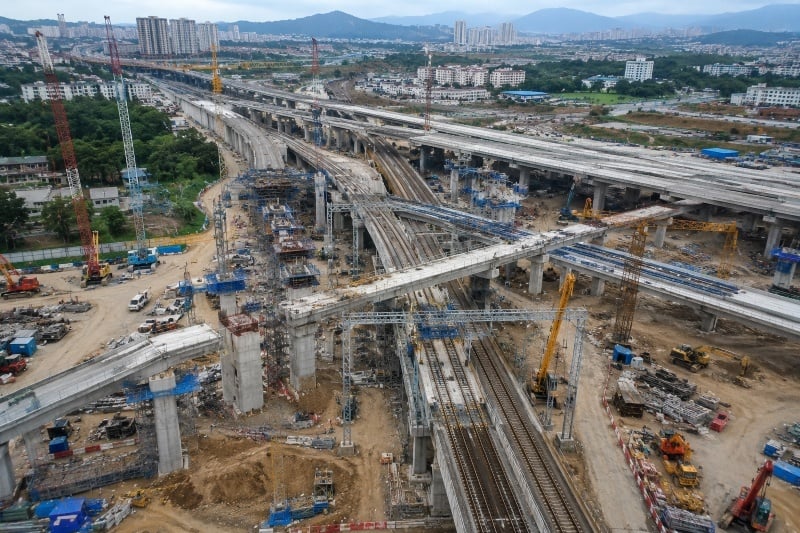
Large infrastructure projects involve long timelines, multiple consultants, and highly coordinated engineering systems. Because of this scale, teams often face several operational challenges during planning and execution.
Some common challenges include:
1. Managing large volumes of project data
2. Coordinating multiple stakeholders
3. Handling design revisions across project phases
4. Maintaining documentation standards
5. Detecting clashes between systems
6. Managing scheduling across multiple work stages
7. Integrating different software platforms
8. Supporting long-term maintenance planning
These challenges continue to increase the demand for professionals with practical BIM coordination experience.
## **How to Learn BIM for Infrastructure Projects?**
Developing BIM expertise for infrastructure projects requires more than software familiarity. Engineers also need exposure to real project coordination workflows and multidisciplinary infrastructure systems.
[](https://www.novatr.com/courses/bim-for-civil-engineers/l?utm_source=blog&utm_medium=website_card_after_intro&utm_campaign=bim_civil_course_leads)
For civil engineers looking to strengthen practical expertise, take your civil engineering career to the next level with Novatr’s [BIM Professional Course for Civil Engineers](https://www.novatr.com/us/courses/bim-for-civil-engineers), a project-based program that prepares you to plan, design, and manage construction projects using 12+ industry software and essential BIM plugins.
Learn how to work with Autodesk Revit, Navisworks, construction cloud and key plugins like DiRoots.One, pyRevit, EF-Tools, ProSheets, Issue and Model Checker for Revit to improve automation, accuracy, and project efficiency.
Here’s what you’ll gain:
- End-to-end understanding of BIM workflows — modeling, estimation, coordination, sequencing, and documentation
- Hands-on training aligned with ISO 19650 standards and real residential + commercial projects
- Globally recognized certifications:
After completing the core modules, learners can also choose 2 additional specializations, including:
- Visual Programming with Dynamo – for automation and parametric workflows
- 4D, 5D & 6D with BIM – for time, cost, and facility integration
- Tekla for RCC Modeling – for detailed steel and concrete modeling
- Civil 3D for Infrastructure – for roadways, railways, and utilities
- Project Strategy & Optimization with Plannerly - Plan, structure, and audit BIM execution plans.
Equip yourself with hands-on BIM skills and become job-ready for global infrastructure and construction opportunities.
Master BIM and Get Hired Faster
Join a community of 8500+ Architects and Engineers.
Explore Now
\*Limited seats available
## Conclusion
The **Delhi Mumbai Industrial Corridor** is a large-scale infrastructure initiative that depends on strong coordination between transportation systems, industrial developments, utilities, and logistics infrastructure. BIM workflows support this process by improving planning, visualization, scheduling, clash detection, and long-term project management.
As infrastructure projects become more digitally managed, professionals with BIM expertise are expected to play a larger role across transportation and industrial sectors. The [BIM Professional course for Civil Engineers](https://www.novatr.com/courses/bim-for-civil-engineers?course=bim-for-civil-engineers) offered by [Novatr](https://www.novatr.com/) helps learners develop practical BIM expertise aligned with real industry workflows and infrastructure requirements.
Build industry-ready BIM capabilities through project-based learning designed for modern infrastructure projects. Visit our [resource page](https://www.novatr.com/learning-hub) to explore BIM insights, career pathways, and opportunities in digital construction.
Was this content helpful to you
Like Yes
Dislike No

TABLE OF CONTENTS
BIM Is The New Standard. Are You Certified?
Get Certified in BIM
SHARE ON YOUR SOCIALS
Link Copied Successfully
Related articles
[ BIM Civil Surat Diamond Bourse: How BIM Brought the World’s Largest Office Building to Life? 5 June 2026 7 min read](https://blog.novatr.com/blog/surat-diamond-bourse-how-bim-brought-the-worlds-largest-office-building-to-life) [ BIM Civil How Chennai-Bangalore Industrial Corridor Are Built using BIM? 5 June 2026 7 min read](https://blog.novatr.com/blog/how-chennai-bangalore-industrial-corridor-are-built-using-bim) [ BIM Civil UPSC ESE vs GATE vs Private Jobs: Which Career Path is Better? 11 June 2026 9 min read](https://blog.novatr.com/blog/upsc-ese-vs-gate-vs-private-jobs-which-career-path-is-better) [ BIM Civil How Construction Sequencing Works in BIM: A Practical Guide 30 April 2026 6 min read](https://blog.novatr.com/blog/how-construction-sequencing-works-in-bim-a-practical-guide)
Download Syllabus
## BIM Professional Program
Next Cohort
June 2026
Program Duration
7 Months
Premium Program benefits
8 Credentials from Autodesk, NSDC, Novatr
1 program. 10 career paths. Infinite Growth.
40+ ISO 19650 & RIBA real-world projects to practice
1-on-1 guidance. Access 400+ industry experts.
Access the biggest AEC-Tech community on the planet. 8500+ and counting
Curated for you by 100+ global BIM leaders.
Lifelong access to course content
Enter your details to download the program syllabus.
##### BIM Professional Program
June 2026, 7 Months
Your Name Invalid name.
Phone Number Enter a valid phone number
Email Please enter a valid email address.
Select years of experience\* Currently studying 0-1 years 1-2 years 2-4 years 4-8 years 8-10 years 10-12 years 12+ years Invalid selection.
Specialisation Select your background\* Architecture Civil Engineering Mechanical Engineering Electrical Engineering Invalid selection.
Are you professionally trained in interior design?
Yes
No
I agree to the [Terms of Use](https://www.novatr.com/terms-and-conditions) and [Privacy Policy](https://www.novatr.com/privacy-policy), and consent to be contacted by Email, Call, WhatsApp, or SMS.
Submit
Ready to skyrocket your career?
Begin your next chapter in AEC
with Novatr!
We are here to help you take the industry by storm with advanced, tech-first skills.
[Explore Courses](https://www.novatr.com/#courses)
Join our newsletter
Submit
Thank you for signing up.
We’ll send you a nice letter once per week. No spam.

Dare to Disrupt.
Join thousands of people who organise
work and life with Novatr.
Company
- [About Us](https://www.novatr.com/about)
- [BIM Professional Program v.2026](https://www.novatr.com/courses/bim-professional-program)
- [Masters Computational Design](https://www.novatr.com/courses/computational-design)
- [Become a Mentor](https://www.novatr.com/apply-as-mentor)
- [Hiring from Us](https://www.novatr.com/hire-from-us)
- [Careers at Novatr](https://www.novatr.com/career)
Resources
- [Blog](https://www.novatr.com/learning-hub)
- [Media Room](https://www.novatr.com/media-room-home-page)
- [Career Builder](https://www.novatr.com/career-navigator)
- [Events & Webinars](https://www.novatr.com/webinars)
- [FAQs & Support Center](https://www.novatr.com/contact-us)
- [Contact Us](https://www.novatr.com/contact-us)
- [Privacy Policy](https://www.novatr.com/privacy-policy)
- [Terms of Use](https://www.novatr.com/terms-and-conditions)
©2023 Oneistox Network Pvt. Ltd.
All Rights Reserved
```json
{
"@context" : "https://schema.org",
"@type" : "BlogPosting",
"author" : {
"@type" : "Person",
"name" : "Deependra Dobriyal",
"url" : "https://blog.novatr.com/blog/author/deependra-dobriyal"
},
"dateModified" : "2026-06-05T12:07:47.604Z",
"datePublished" : "2026-06-05T12:07:11.000Z",
"headline" : "How Delhi-Mumbai Industrial Corridor Are Built using BIM?",
"image" : [ "https://blog.novatr.com/hubfs/Industrial%20corridor%20with%20highways%2c%20railways%2c%20and%20logistics%20hubs.jpg" ],
"mainEntityOfPage" : {
"@id" : "https://blog.novatr.com/blog/how-delhi-mumbai-industrial-corridor-are-built-using-bim",
"@type" : "WebPage"
},
"publisher" : {
"@type" : "Organization",
"logo" : {
"@type" : "ImageObject",
"url" : "https://blog.novatr.com/hubfs/Novatr%20Prev%20OX-2.svg"
}
}
}
```