



15 High-Paying BIM Skills in 2026
As the global BIM market continues to grow and governments, developers, and engineering firms increasingly adopt digital project delivery, the demand for skilled BIM professionals is rising faster than ever.
5 Technical Skills
Technical BIM skills form the foundation of digital project delivery. They enable professionals to create intelligent models, coordinate multidisciplinary teams, and improve project outcomes.
-
3D BIM Modelling: The ability to create accurate, information-rich 3D models remains one of the most sought-after BIM skills. Professionals trained in developing architectural, structural, or MEP models are in high demand across the AEC industry.
-
BIM Coordination: Construction projects involve multiple disciplines working simultaneously. BIM coordination helps identify design conflicts, streamline collaboration, and ensure all project stakeholders work from a coordinated model.
-
Clash Detection: Identifying clashes before construction begins helps reduce costly rework and project delays. Employers value professionals who can use coordination tools and software to resolve conflicts between architectural, structural, and MEP systems.
-
Bill of Quantitites (BOQ) Generation: BIM professionals who can generate accurate quantities and support cost estimation help improve budgeting, procurement, and project planning.
-
Construction Planning: Linking BIM models with project schedules allows teams to visualize construction sequences, optimize workflows, and improve project execution.
5 BIM Software Skills
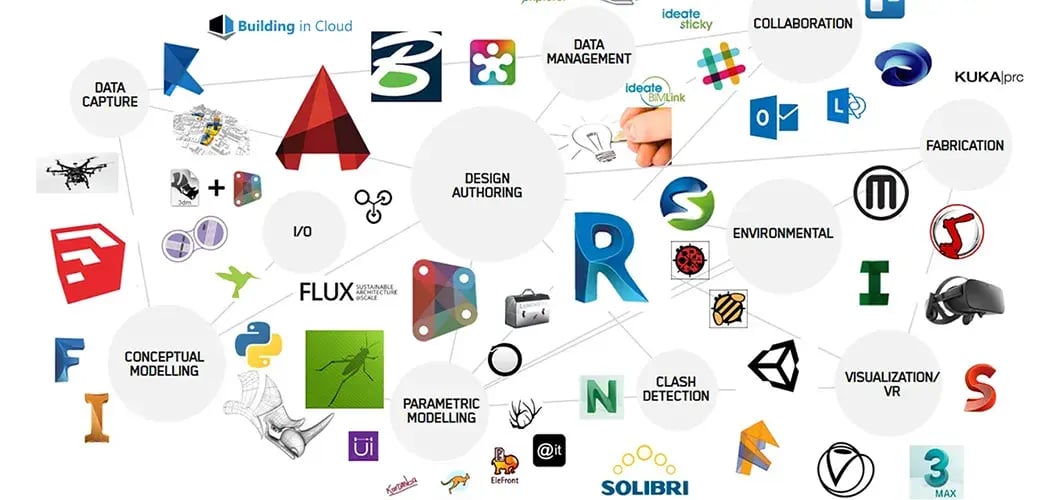
Software expertise enables BIM professionals to transform technical knowledge into efficient project delivery. Mastering industry-standard tools significantly improves employability.
-
Revit: Revit is the industry's most widely used BIM platform for architectural, structural, and MEP modelling, making it an essential skill for aspiring BIM professionals.
-
Navisworks: Navisworks is widely used for model coordination, clash detection, and construction simulation, making it a core software for BIM coordinators and managers.
-
Autodesk Construction Cloud (ACC): Considered a more powerful successor of BIM 360, ACC enables cloud-based collaboration platforms. It helps project teams manage documents, coordinate models, and communicate effectively throughout the project lifecycle.
-
Dynamo: As automation becomes increasingly important, Dynamo helps professionals automate repetitive tasks, improve productivity, and develop parametric workflows within Revit.
-
Civil 3D: Widely used for engineering and infrastructure design, Civil 3D helps create dynamic models for roads, highways, grading, drainage, and utility networks. Similar to how Revit is for architects, this is the go-to software for civil and structural engineers.
5 Soft Skills
Technical expertise by itself is insufficient to build a career in BIM. Soft skills enable individuals to manage teams, communicate effectively, and solve project challenges.
1. Communication: BIM experts regularly coordinate with architects, engineers, contractors, and clients. Communication is a key BIM skill that ensures smoother collaboration and minimizes misunderstandings.
2. Problem-Solving: Whether it is optimizing building design, resolving clashes, or improving built workflows, BIM professionals are expected to analyse complex project challenges and develop practical solutions.
3. Collaboration: BIM is based on the core idea of teamwork. Its ability to work effectively across multidisciplinary teams is essential for delivering successful projects.
4. Leadership: As professionals progress into BIM Coordinator or BIM Manager roles, leadership becomes increasingly important for guiding teams, managing workflows, and ensuring project quality.
5. Adaptability & Continuous Learning: BIM technology evolves rapidly with advancements in AI, automation, robotics, digital twins, and cloud collaboration. Professionals who continuously upgrade their skills remain competitive and future-ready.
Which BIM Skills Matter for Architects, Civil Engineers, and MEP Professionals?
The stepping stone of BIM skills for freshers is the mighty Revit software. It is one of the most widely used and popular software that supports everything from model creation to monitoring. Let’s have a look at the other skills requied to succeed in various niches:
BIM Skills for Architects
1. Architectural Modelling: Architects should be able to develop intelligent 3D building models using software such a Revit and Archicad to accurately depict design intent while supporting documentation, visualization, and coordination.
2. Design Documentation: Producing floor plans, sections, elevations, schedules, and working drawings directly from BIM models ensures consistency and reduces manual errors.
3. Parametric Design: One of the key BIM skills for architects include creating Revit families and using parametric modelling techniques allows architects to improve efficiency and adapt designs quickly.
4. Interdisciplinary Coordination: Architects should be comfortable coordinating with structural and MEP teams to resolve clashes before construction.
5. Presentation: The ability to generate realistic 3D views, walkthroughs, and presentation models helps architects communicate design ideas more effectively to clients and stakeholders.
BIM Skills for Civil Engineers
1. Structural Modelling: Civil engineers should understand how to model roads, bridges, utilities, grading, drainage systems, and structural components using BIM software such as Civil 3D and Bentley OpenRoads.
2. Construction Planning: Integrating BIM models with project schedules helps civil engineers visualize construction sequences, optimize execution, and reduce delays.
3. Quantity Take-Off & Cost Estimation: Extracting quantities from BIM models is one of the most sought-after BIM skills. It improves estimation accuracy and supports procurement and budgeting decisions.
4. Model Coordination: Civil engineers collaborate with architects, contractors, and MEP teams to ensure all project disciplines work seamlessly together.
5. Project Information Management: Managing BIM data through Common Data Environments (CDEs), cloud collaboration platforms, and industry standards ensures smooth project delivery across large teams.
BIM Skills for MEP Engineers
1. MEP System Modelling: MEP professionals should be proficient in modelling HVAC, plumbing, electrical, and fire protection systems while ensuring compliance with project requirements.
2. Service Coordination: Coordinating MEP systems within limited ceiling and service spaces is one of the most important skills for avoiding installation conflicts.
3. Clash Detection: Identifying and resolving clashes between architectural, MEP, and structural models helps reduce costly site modifications.
4. System Analysis: Beyond modelling, one of the fundamental BIM skills for MEP engineers is to understand how to optimize building systems for energy efficiency and performance.
5. Multidisciplinary Collaboration: Successful completion of MEP tasks depend on coordination with architects, structural engineers, and contractors. This makes communication and teamwork essential BIM competencies for them.
Where to Learn These BIM Skills?
Beginner AEC professionals can learn BIM through blogs, YouTube tutorials, and short courses platforms such as Udemy, Coursera, and LinkedIn. This helps them understand the subject fundamentals and prepare for comprehensive long-term programs such as the BIM Professional Program by Novatr.
It is a comprehensive course that teaches students about BIM basics, software, workflows, and coordination. The curriculum is delivered by practising professionals through pre-recorded and live sessions. They also share case studies and practical on-site knowledge to help participants prepare for real-life industry challenges.
Considerations for Selecting a BIM Course
1. Industry-Relevant Curriculum: Choose a course that covers both BIM fundamentals and advanced concepts, including modelling, coordination, clash detection, project collaboration, and BIM standards.
2. Hands-On Project Experience: Practical training is essential for acquiring job-ready BIM skills. Working on live or simulated projects helps you understand how BIM workflows are applied in real-world scenarios.
3. Software Coverage: Ensure the course includes training in industry-standard software such as Revit, Navisworks, Archicad, Civil 3D, Autodesk Construction Cloud, and other tools relevant to your specialization.
4. Experienced Faculty: Learning from professionals with industry experience provides valuable insights into project workflows, best practices, and the latest trends in BIM implementation.
5. Industry-Recognized Certification: A certification from a reputed training institute validates your skills and strengthens your profile when applying for BIM-related roles.
6. Placement Assistance: Career guidance, interview preparation, portfolio development, and placement support can make the transition from training to employment much smoother.
7. Flexible Learning Options: Whether you're a student or a working professional, it is best to look for courses that offer classroom, online, or hybrid learning formats to suit your schedule.