


What Architecture Skills Do Employers Actually Look For Today?
Creative ideas are not the only thing that employers expect architects to carry today. They seek job skills that assist teams to produce projects both efficiently and accurately.
The most significant architecture job skills are:
-
Technical Skills: Understanding of software such as CAD and BIM to design and document.
-
Design Skills: Ability to come up with functional and aesthetically high designs.
-
Soft Skills: Communication, collaboration with others, and problem-solving skills.
-
Project Knowledge: Timelines, budgets, and knowledge of the construction process.
Why Are Technical Skills Like CAD and BIM Critical for Hiring?
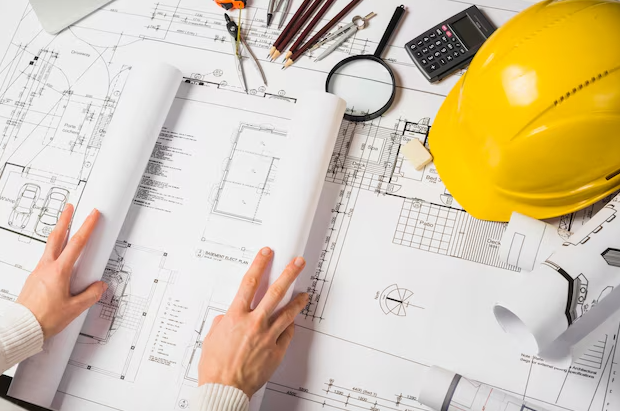
The modern architecture jobs are based on technical skills. It is hard to work on actual projects or work in teams without them. The CAD and BIM skills are particularly significant as they are applied in nearly all design and construction phases.
The main reasons as to why technical skills are important:
-
Correct Drafting: Drafting is a skill that is utilized to ensure that accurate drawings are created as well as to reduce the occurrence of errors.
-
Effective Working Processes: BIM skills allow teams to work on shared models in real-time.
-
Enhanced Collaboration: Digital tools enhance collaboration between architects and engineers.
-
Industry Standard: Most companies require information regarding such tools as AutoCAD, BIM platforms, and Revit.
In the context of employers enquiring about which technical skills are required for architecture jobs, practically all the responses will include CAD and BIM.
Early acquisition of these technical skills can greatly enhance your possibility of getting hired.
Which Design and Visualization Skills Help Architects Stand Out?
Although technical skills matter, what makes architects unique is their design skills. Employers seek individuals who are able to transform ideas into tangible and useful designs.
The key design skills are:
-
Concept Development: Capacity to develop powerful design ideas on the basis of the requirements of the project.
-
3D Modeling: The creation of digital models with the aim of visualizing spaces.
-
Rendering and Visualization: Production of realistic images to present designs.
-
Creative Problem Solving: Coming up with functional and attractive solutions.
Developing these skills for architects requires practice, feedback, and exposure to real projects.
What Role Do Communication and Collaboration Skills Play in Hiring?

Soft skills have been ignored, yet they are important in architecture jobs. Architects hardly ever work individually. They work with engineers, clients, and contractors in the course of a project.
Some of the important soft skills are:
-
Communication: The ability to communicate ideas clearly to the various stakeholders.
-
Teamwork: Effective work with multidisciplinary teams.
-
Problem-solving: Design and site issues.
-
Time Management Skills: Deadlines and handling several tasks.
Employers appreciate applicants who are able to express themselves and fit into a team. Excellent technical skills might not be sufficient when communication is poor.
For students, developing soft skills early can go a long way in job interviews and performance at work.
How Important Are Project Management and Site Knowledge Skills?
The major employment skills that demonstrate practical knowledge are project management and site knowledge. Employers would choose those applicants who understand the operations of projects other than design.
Important areas include:
-
Project Planning: Timelines, deliverables.
-
Budget Awareness: Planning within a budget constraint.
-
Site Co-ordination: The knowledge of the execution of designs on-site.
-
Construction Fundamentals: The understanding of the construction methods and materials.
Such skills required for architects assist in bridging the gap between design and construction.
Employers often see these as essential job ready architecture skills.
Which Emerging Skills Like AI and Sustainability Are Gaining Demand?
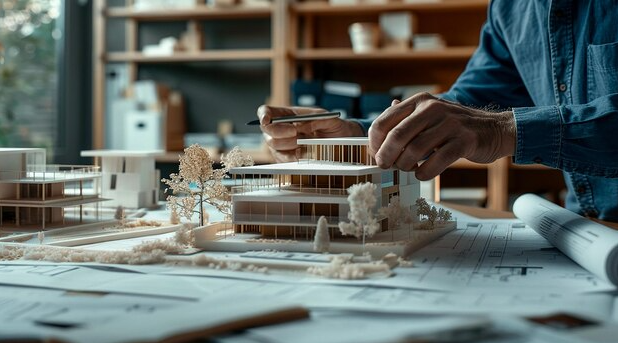
The architecture sector is changing and adapting to new technologies and the global challenges. This has brought about a need to innovate new in demand skills for architects.
The main new skills will be:
-
Artificial Intelligence in Design: Applying artificial intelligence to streamline layouts, workflows.
-
Parametric Design: Creating flexible and data-driven designs
-
Sustainable Design: To design buildings that will be energy efficient and environmentally friendly.
-
Smart Building Technology: Adding automation and digital systems.
Acquisition of these new architecture skills can provide the candidates with a competitive edge in architecture jobs.
What Skills Should Students Focus On to Get Hired Faster?
The question that students may ask is how to develop job ready architecture skills. The solution is found in the need to concentrate on practical and relevant learning.
The following are some of the areas that should be addressed:
-
Gain Good Technical Skills: Learn CAD, BIM, and other software in the industry.
-
Skills in Advance Design: Prepare real-life projects and portfolios.
-
Develop Soft Skills: Practice of teamwork and communication.
-
Gain Practical Experience: Internships and field trips.
-
Study Future Technologies: Discover Artificial Intelligence, sustainability, and parametric design.
Consistency is important. Rather than studying numerous tools simultaneously, focus on mastering a few key skills for architects.
When students match their education with the requirements of the industry, they will have higher chances to obtain architecture jobs in a short period of time.