


What is BIM in Construction?
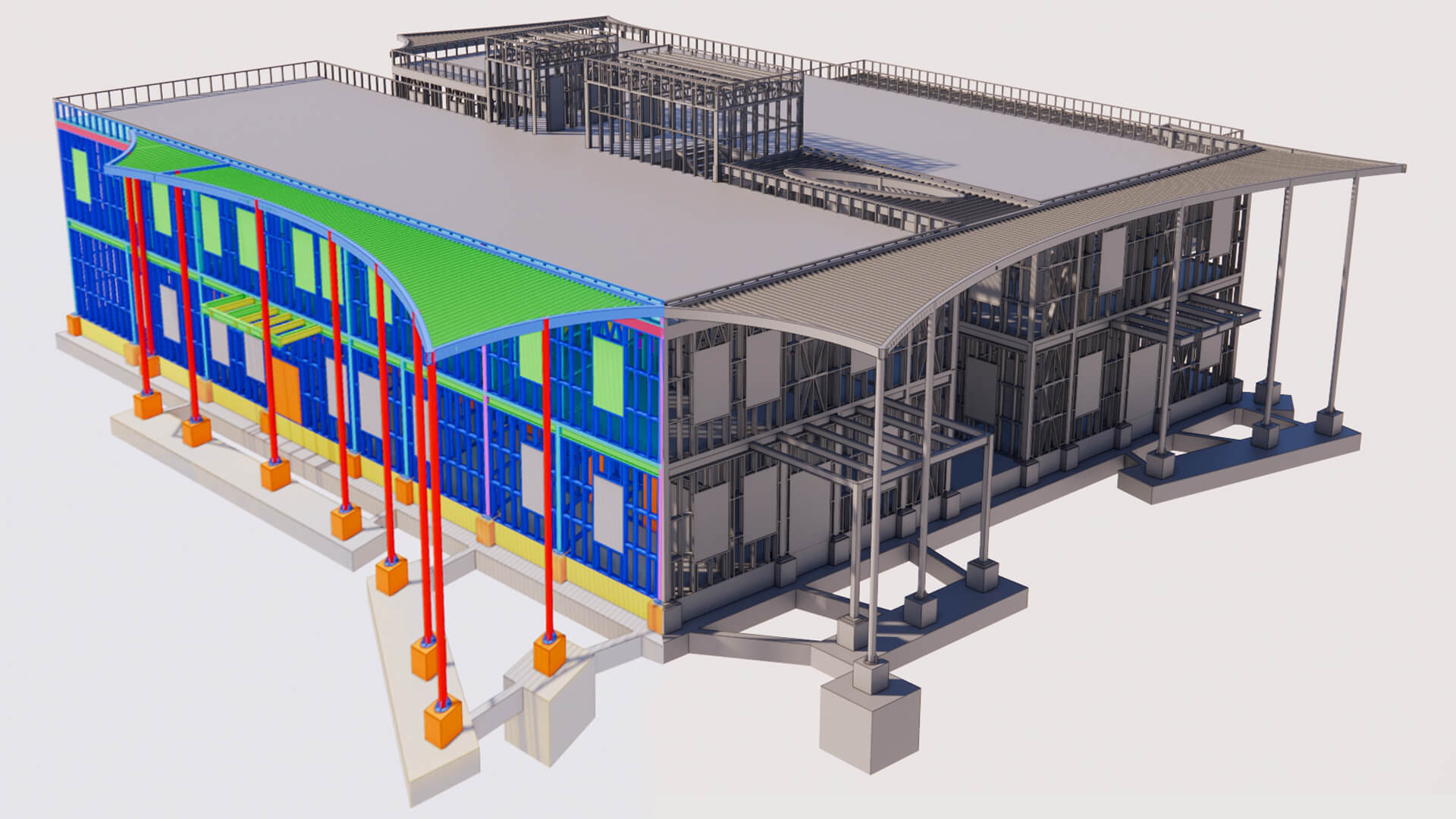
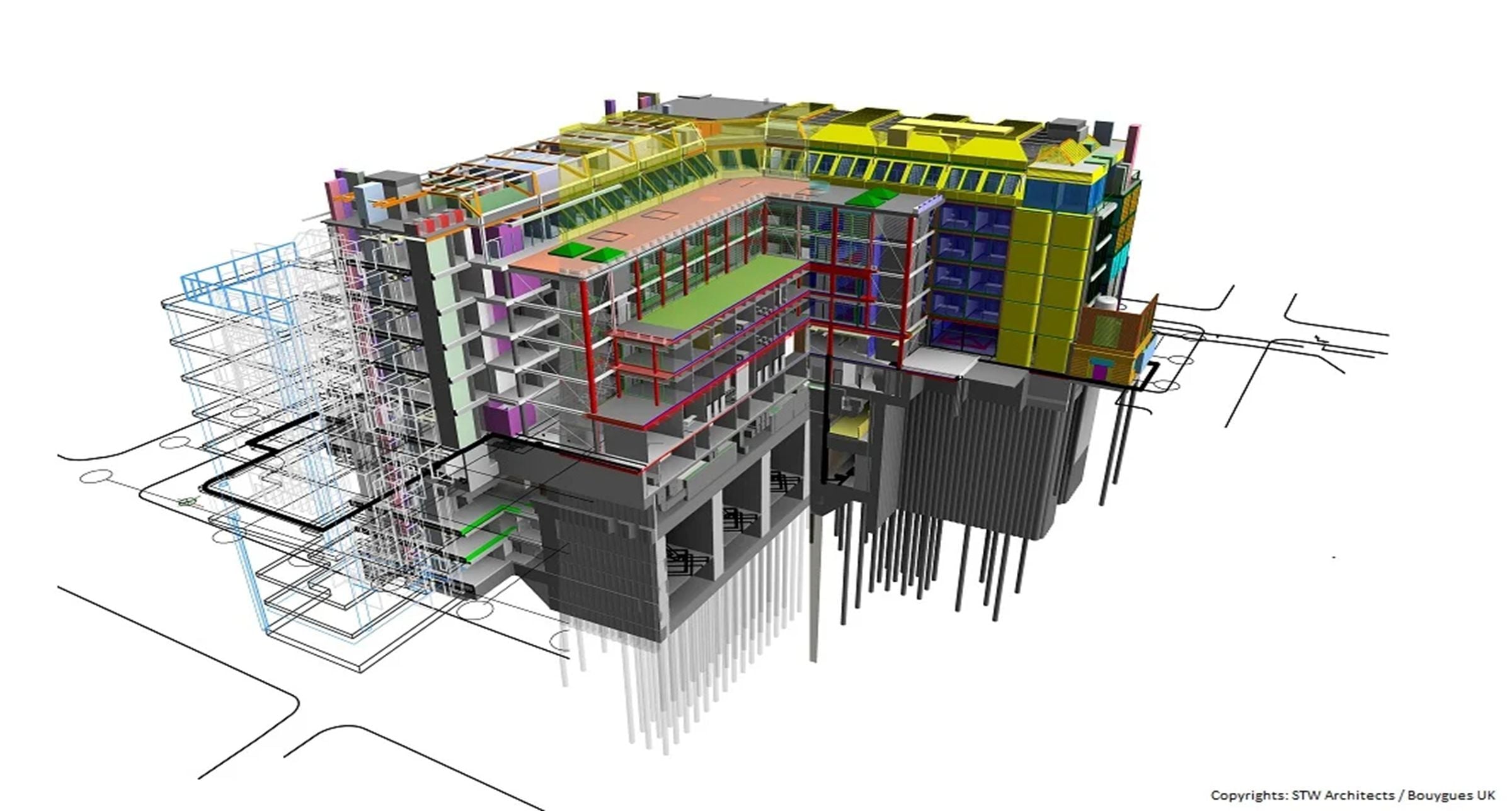
Building Information Modeling (BIM) is a digital representation of a construction project. It captures the physical and functional characteristics of a building in one coordinated model.
Unlike 2D drawings, BIM technology in construction integrates data from architects, engineers, and contractors into a single source of truth. This enables better collaboration and coordination.
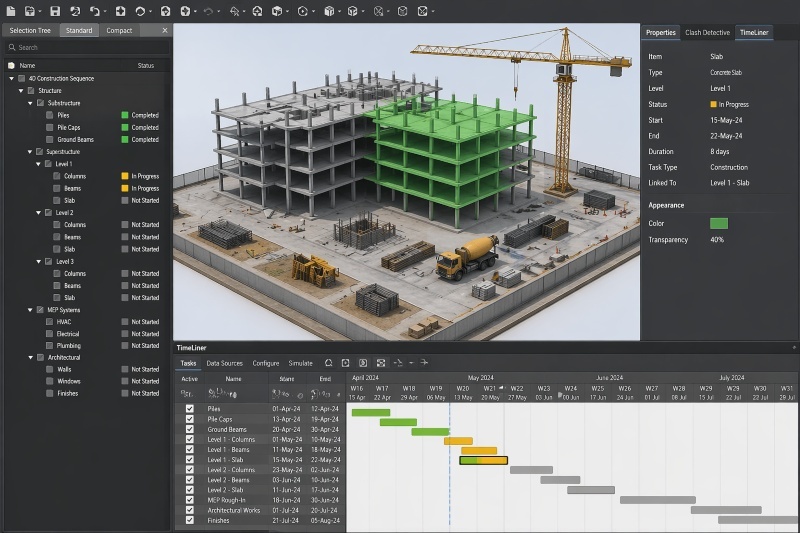
BIM in construction project management enables teams to track schedules, costs, and resources in real time. The benefits of using BIM include fewer clashes, reduced rework, and faster decision-making
BIM is standardising the way projects are executed, and its adoption has accelerated as government projects increasingly require it. However, implementation challenges around skills gaps and costs persist. Understanding BIM is essential for professionals working in modern infrastructure project delivery.
BIM in Public Sector Projects
Government infrastructure projects in India face complexity due to coordination across multiple agencies, tight budgets, and strict timelines. As a result, government projects are increasingly adopting digital workflows to manage these complexities..
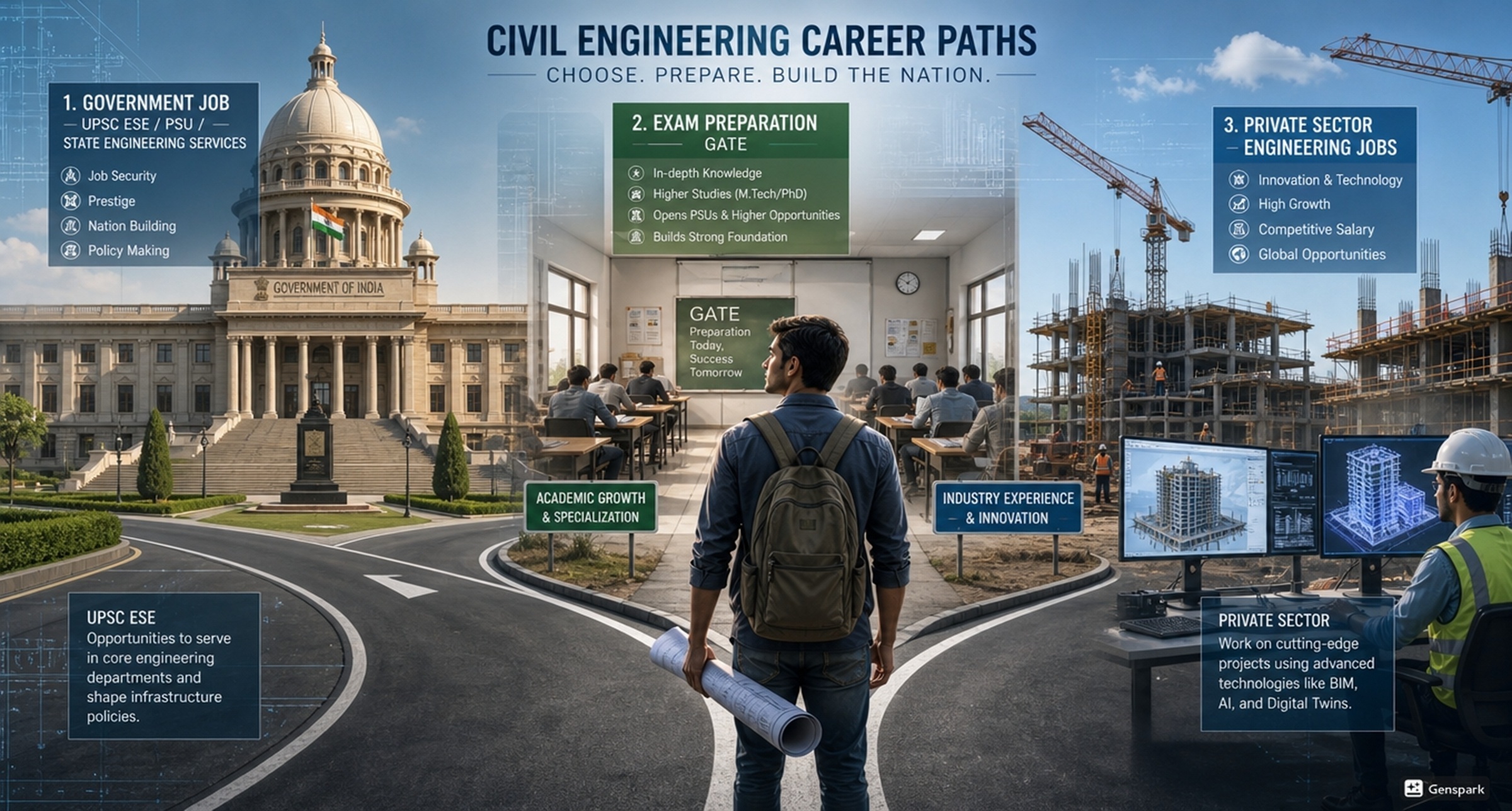
Public sector bodies such as the Delhi Metro Rail Corporation (DMRC), the Airports Authority of India, and Smart Cities projects have mandated BIM for planning and execution. The results are measurable, including fewer delays, improved coordination between disciplines, and stronger cost control.
However, BIM adoption still faces consistency issues. In India, BIM adoption is strong across large metro and airport projects, but weaker on smaller government infrastructure projects. A few implementation challenges include training shortages, budget constraints, and resistance to traditional procurement processes.
As more BIM government projects move forward, the infrastructure sector is learning that digital construction is no longer optional; it is becoming essential for efficient project delivery.
BIM in Private Sector Projects
Private sector BIM adoption in India has accelerated rapidly, and industry momentum continues to grow. The real estate industry is leveraging BIM to construct commercial properties, focusing on optimising space, reducing costs, and ensuring safety compliance.
International firms have been among the fastest to adopt BIM workflows. However, the bulk of construction activity, which is mid-market housing, industrial, and regional infrastructure, still runs on 2D CAD.
However, on a larger scale, fewer than 20% of companies with fewer than 500 employees had standardised BIM implementation as of 2023 (source). Yet this is changing. Leading construction companies are shifting to digital execution. By 2030, BIM is expected to become a standard for all major projects. Private firms that adopt BIM early gain a competitive advantage in project acquisition and delivery.
Key Differences Between Public and Private BIM Adoption
Here is a comparison of how BIM in construction project management differs across public and private sectors.
|
Aspect |
Public Sector |
Private Sector |
|
Project Scale |
Typically, large infrastructure projects |
Ranges from small to large commercial |
|
Implementation Cost |
The government provides training and funding support |
Companies bear the full cost independently |
|
Standardization |
Follows national BIM standards and guidelines |
Varies by firm and project |
|
Examples |
Metro rail, smart cities, airports |
Real estate, commercial buildings, residential |
|
Adoption Rate |
Faster due to policy requirements |
Slower, especially in smaller firms |
Challenges in BIM Implementation Across Sectors
While BIM adoption improves efficiency, implementation still comes with several challenges:
1. Initial Investment: Software licensing, hardware infrastructure, and training programs require substantial capital. Smaller firms often struggle to manage these upfront investments compared to larger enterprises.
2. Skill Shortage: The industry lacks sufficient trained professionals who understand BIM workflows and can implement them effectively across projects.
3. Data Compatibility: Data incompatibility arising from differences in coordinate systems, levels of detail, and data structures between BIM and partner systems remains a dominant challenge.
4. Organisational Resistance to Change: The construction industry has traditionally been resistant to change, largely due to entrenched practices and fragmented workflows.
5. Lack of Standardisation: Lack of standardised frameworks across vendors and agencies poses hurdles to widespread adoption. Different vendors often implement BIM solutions using incompatible frameworks, creating friction during data exchange.
How to Build BIM Skills for Industry Projects
A foundation in engineering or construction management should be complemented by practical training in BIM software and workflows. Start by learning Revit for modeling, Navisworks for coordination, and cloud platforms for collaboration. More importantly, understand how these tools fit into real project delivery.
Moreover, technical knowledge needs to be paired with communication and collaboration skills for working with multidisciplinary teams. This is where many professionals struggle because they understand the software but lack exposure to real project workflows
Structured programs that emphasise real-world application work best. Programs like Novatr's BIM Professional Course for Civil Engineers combine live training with mentored guidance and a capstone project that mirrors actual scenarios. This approach, learning tools within workflows, is what separates job-ready professionals from those who need months to adapt.