---
title: "SME Perspective: Will BIM Become a Global Standard? 2026"
description: Explore whether BIM will become a global standard, key adoption trends, challenges, and what AEC professionals should prepare for next.
image: https://blog.novatr.com/hubfs/Will%20BIM%20Become%20a%20Global%20%20Standard%20or%20Stay%20Region-Specific_.png
---
[Blogs](https://www.novatr.com/learning-hub)
- [Architecture & Construction](https://www.novatr.com/learning-hub?category=Architecture+%26+Construction)
- [BIM](https://www.novatr.com/learning-hub?category=BIM)
- [Computational Design](https://www.novatr.com/learning-hub?category=Computational+Design)
- [Company News](https://www.novatr.com/learning-hub?category=Company+News)
- [Expert Talks](https://www.novatr.com/learning-hub?category=Expert+Talks)
Explore Courses
[Just Launched  BIM Professional Program v.2026 Take your career to the next level by mastering the real-world application of BIM. Know More](https://www.novatr.com/courses/bim-professional-program)
[ Master Computational Design Course Break into an advanced career by learning to apply the power of computation to the art of design. Know More](https://www.novatr.com/courses/computational-design)
[Blogs](https://www.novatr.com/learning-hub)
Explore Blogs
- [Architecture & Construction](https://www.novatr.com/learning-hub?category=Architecture+%26+Construction)
- [BIM](https://www.novatr.com/learning-hub?category=BIM)
- [Computational Design](https://www.novatr.com/learning-hub?category=Computational+Design)
- [Company News](https://www.novatr.com/learning-hub?category=Company+News)
- [Expert Talks](https://www.novatr.com/learning-hub?category=Expert+Talks)
Courses
- [BIM Professional Program v.2026](https://www.novatr.com/courses/bim-professional-program)
- [Master Computational Design](https://www.novatr.com/courses/computational-design)
- [Archi/](https://www.novatr.com/learning-hub?category=BIM)
Featured Article
# SME Perspective: Will BIM Become a Global Standard or Stay Region-Specific?
Ashdeep Singh
April 7, 2026
5 min read


Ashdeep Singh is a BIM Manager who completed his B.Arch from Amity University. Currently working with Novatr, he has been involved in projects such as the Diriyah Arena in Saudi Arabia and the New Life Arena in Chennai. You can learn more about his work and connect with him on **[LinkedIn](https://www.linkedin.com/in/ashdeepsingh-bim/)****.**
BIM is steadily moving toward becoming a global standard, but its adoption still varies significantly by region due to differences in policy, infrastructure, and industry readiness. While some countries have mandated BIM for public projects, others are still in early adoption stages. The UK government reported savings of [£855 million](https://geospatialworld.net/blogs/bim-adoption-around-the-world/) in public construction projects through BIM and digital construction strategies, demonstrating its impact on efficiency and standardization.
As global construction becomes more interconnected, BIM is playing a central role in aligning workflows, improving collaboration, and supporting digital transformation. However, achieving global consistency requires more than technology. It depends on policy alignment, skill development, and standardized practices across regions.
Unlock High-Paying Careers With BIM
Master BIM workflows, software and skills on real projects.
Apply Now
\*Limited seats available
## **The Current State of BIM Adoption Across Regions**
BIM adoption differs widely between developed and emerging markets due to varying levels of investment, regulatory support, and digital maturity. Developed regions such as the UK, the United States, and parts of Europe have integrated BIM into public infrastructure projects, while many emerging markets are still building the necessary frameworks.
Differences in BIM adoption between developed and emerging markets can be understood through these key aspects:
- **Regulatory Support:** Developed regions often have government mandates that require BIM for public projects.
- **Technology Access:** Advanced markets have better access to BIM tools and digital infrastructure.
- **Workforce Skills:** Training programs and certifications are more widely available in mature markets.
Government mandates have played a major role in accelerating BIM implementation across public and private sector projects. Countries that introduced clear policies and guidelines have seen faster adoption and more consistent execution across projects.
Gaps in standards, training, and execution across regions include:
- Inconsistent BIM standards and protocols
- Limited access to structured training programs
- Variations in project delivery methods and workflows
For example, while a project in the UK may follow strict BIM standards, a similar project in an emerging market may rely on partial or inconsistent BIM usage. These differences highlight the challenges of achieving global uniformity.
Understanding regional differences is essential for evaluating whether BIM can evolve into a global standard.
## **What Factors Determine Whether BIM Becomes a True Global Standard**
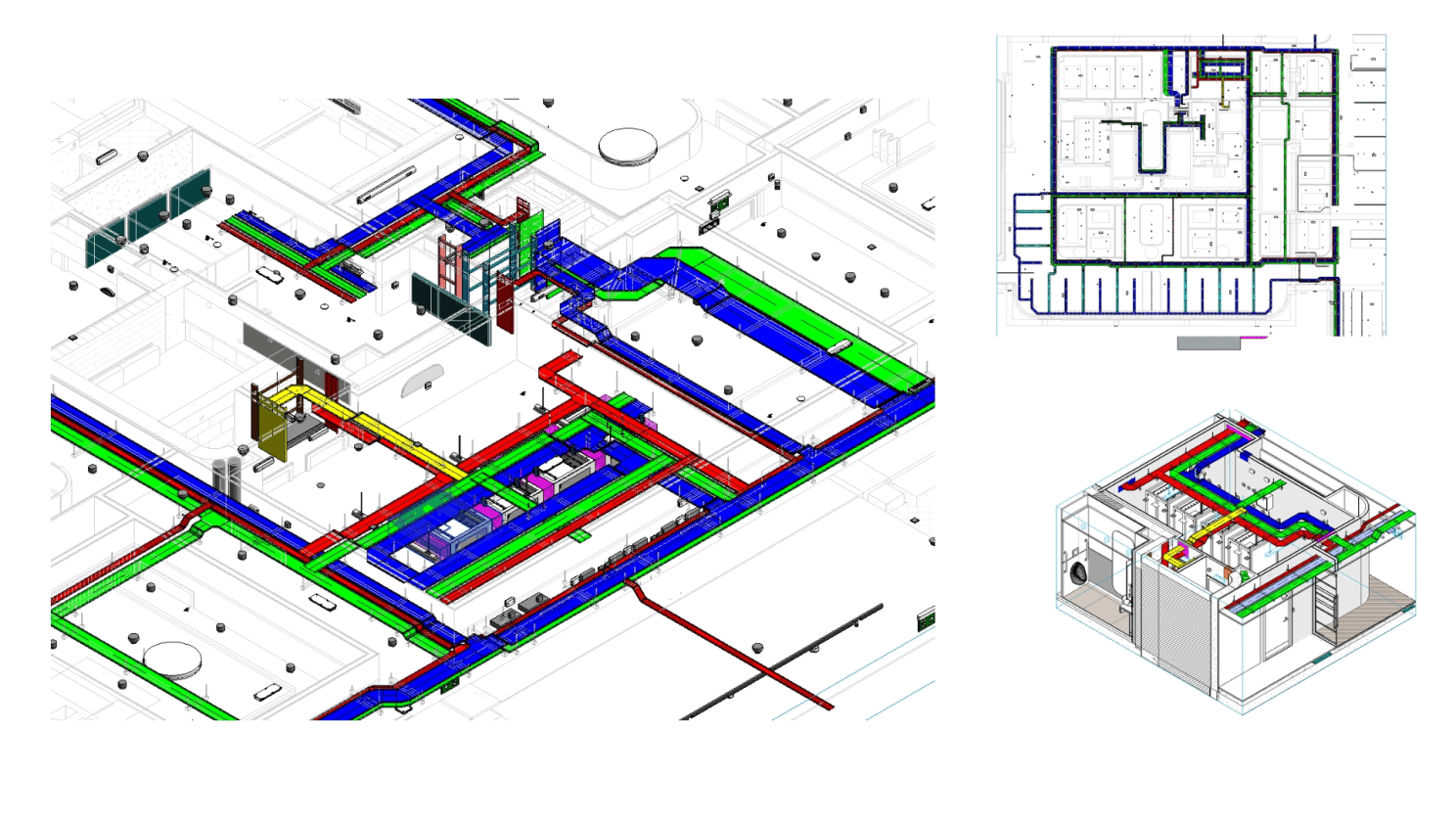
BIM can become a global standard only if certain conditions are met across regions. These conditions involve aligning technical, regulatory, and operational aspects of project delivery.
Key conditions required for BIM to achieve global consistency include:
- **Standardized Frameworks:** Adoption of common guidelines such as ISO-based BIM standards.
- **Interoperability:** Seamless data exchange between different software platforms.
- **Skilled Workforce:** Availability of trained professionals who can implement BIM effectively.
International standards such as ISO frameworks play a critical role in this transition. They provide a common structure for managing information, ensuring that BIM processes remain consistent across projects and regions globally.
Cultural, economic and regulatory differences can slow down global alignment in several ways:
- **Economic Constraints:** Limited budgets may restrict investment in BIM tools and training.
- **Regulatory Variations:** Different countries have unique construction codes and standards.
- **Cultural Practices:** Established workflows and resistance to change can affect adoption.
For instance, a region with strong regulatory enforcement may adopt BIM faster than one where guidelines are optional. These differences create challenges in achieving uniform implementation.
Despite these barriers, continued collaboration between governments, organizations, and industry leaders can support the move toward global standardization.
## **Challenges Preventing Uniform BIM Adoption Worldwide**
Several challenges prevent BIM from being adopted uniformly across the world. These challenges are often interconnected and require coordinated efforts to address.
Main barriers that make it difficult for some regions to fully adopt BIM include:
- **High Initial Costs:** Investment in software, hardware, and training can be significant.
- **Limited Training Infrastructure:** Lack of educational programs slows skill development.
- **Resistance to Change:** Professionals may be hesitant to adopt new workflows.
Cost, training infrastructure, and resistance to change directly affect scalability and long-term BIM adoption success. Organizations that cannot invest in training or technology may struggle to implement BIM effectively.
Fragmented software ecosystems also hinder global standardization. When different teams use incompatible tools, it becomes difficult to share data and maintain consistency across projects efficiently.
Additional challenges include:
- Lack of clear implementation strategies
- Inconsistent project requirements across regions
- Difficulty in integrating BIM with existing workflows
For example, a project involving multiple international teams may face coordination issues if each team uses different BIM standards or software platforms. This can lead to delays and inefficiencies.
Addressing these challenges is essential for enabling broader adoption and improving consistency worldwide.
## **The Impact of Globalization and Remote Collaboration on BIM**
Globalization and remote collaboration are influencing how BIM is used and expected across the AEC industry. As projects increasingly involve teams from different regions, the need for standardized workflows becomes more important.
Cross-border project collaboration has influenced BIM expectations in the following ways:
- **Demand for Consistency:** Teams require standardized processes to work efficiently across regions.
- **Improved Communication:** BIM enables shared models that support real-time collaboration.
- **Greater Transparency:** Stakeholders can access project data regardless of location.
Global outsourcing has accelerated the need for standardized BIM practices across international project teams. When design and construction tasks are distributed across countries, consistent workflows are essential for maintaining quality and coordination.
Interoperability plays a critical role in making BIM globally viable. It ensures that data can be shared seamlessly between different systems and teams, reducing errors and improving efficiency.
Key aspects that show the importance of interoperability include:
- Compatibility between BIM software platforms
- Standardized data formats for information exchange
- Integration with project management and construction tools
For example, a multinational project team using interoperable BIM systems can collaborate more effectively, reducing coordination issues and improving project outcomes.
As globalization continues to shape the industry, BIM will play a central role in enabling efficient and connected project delivery.
## **SME Outlook: The Future of BIM as a Worldwide Benchmark**
The future of BIM as a global benchmark depends on how quickly regions align their standards, skills, and practices. While full global adoption may take time, the trend toward standardization is clear.
The likelihood of BIM becoming mandatory worldwide depends on the following factors:
- **Government Policies:** More countries introducing BIM mandates for public projects.
- **Industry Demand:** Increased need for efficiency and collaboration in construction.
- **Technological Advancements:** Continued development of BIM tools and platforms.
The timeline for broader global convergence is expected to span the next decade, with gradual alignment across regions. Developed markets may lead this transition, while emerging markets follow as infrastructure and training improve.
Professionals should prepare for a future where BIM becomes a standard requirement. Key areas to focus on include:
- Developing BIM expertise and certifications
- Understanding international standards and workflows
- Adapting to collaborative and digital project environments
For example, professionals who invest in BIM skills today will be better positioned to work on global projects and adapt to evolving industry requirements.
As adoption grows, BIM is likely to move closer to becoming a universal standard, shaping how construction projects are planned and delivered worldwide.
Master BIM and Get Hired Faster
Join a community of 8500+ Architects and Engineers.
Explore Now
\*Limited seats available
## **Conclusion**
BIM is progressing toward becoming a global standard, but regional differences in adoption, policy, and infrastructure continue to influence its trajectory. Achieving global consistency will require alignment across standards, skills, and technologies.
As the AEC industry becomes more interconnected, professionals who develop digital skills such as BIM will be better prepared for future opportunities. Exploring roles such as BIM Manager or Digital Construction Specialist, and committing to continuous upskilling, will be essential for success in a globally evolving construction environment.
If you wish to join the upskilling route,[**Novatr’s BIM Course for Architects**](https://www.novatr.com/courses/building-information-modelling) can be a good place to start. The BIM certification for architects offers you the opportunity to learn in-depth about BIM processes, tools, and workflows.
Was this content helpful to you
Like Yes
Dislike No

TABLE OF CONTENTS
BIM Is The New Standard. Are You Certified?
Get Certified in BIM
SHARE ON YOUR SOCIALS
Link Copied Successfully
Related articles
[ Expert Opinion: Why BIM Interoperability Determines Project Success 7 April 2026 5 min read](https://blog.novatr.com/blog/why-bim-interoperability-determines-project-success) [ SME Take: The Future of BIM and AI – How Emerging Tech Will Transform the AEC Industry 7 April 2026 5 min read](https://blog.novatr.com/blog/future-of-bim-and-ai-in-aec-industry) [ SME Insight: What BIM Tool Investments Give the Best ROI for Firms? 25 February 2026 4 min read](https://blog.novatr.com/blog/bim-tool-investments-best-roi-for-firms) [ Lessons from Experience: How Small Firms Can Successfully Adopt BIM Without Huge Budgets 25 February 2026 5 min read](https://blog.novatr.com/blog/small-firms-adopt-bim-on-budget)
Download Syllabus
## BIM Professional Program
Next Cohort
June 2026
Program Duration
7 Months
Premium Program benefits
8 Credentials from Autodesk, NSDC, Novatr
1 program. 10 career paths. Infinite Growth.
40+ ISO 19650 & RIBA real-world projects to practice
1-on-1 guidance. Access 400+ industry experts.
Access the biggest AEC-Tech community on the planet. 8500+ and counting
Curated for you by 100+ global BIM leaders.
Lifelong access to course content
Enter your details to download the program syllabus.
##### BIM Professional Program
June 2026, 7 Months
Your Name Invalid name.
Phone Number Enter a valid phone number
Email Please enter a valid email address.
Select years of experience\* Currently studying 0-1 years 1-2 years 2-4 years 4-8 years 8-10 years 10-12 years 12+ years Invalid selection.
Specialisation Select your background\* Architecture Civil Engineering Mechanical Engineering Electrical Engineering Invalid selection.
Are you professionally trained in interior design?
Yes
No
I agree to the [Terms of Use](https://www.novatr.com/terms-and-conditions) and [Privacy Policy](https://www.novatr.com/privacy-policy), and consent to be contacted by Email, Call, WhatsApp, or SMS.
Submit
Ready to skyrocket your career?
Begin your next chapter in AEC
with Novatr!
We are here to help you take the industry by storm with advanced, tech-first skills.
[Explore Courses](https://www.novatr.com/#courses)
Join our newsletter
Submit
Thank you for signing up.
We’ll send you a nice letter once per week. No spam.

Dare to Disrupt.
Join thousands of people who organise
work and life with Novatr.
Company
- [About Us](https://www.novatr.com/about)
- [BIM Professional Program v.2026](https://www.novatr.com/courses/bim-professional-program)
- [Masters Computational Design](https://www.novatr.com/courses/computational-design)
- [Become a Mentor](https://www.novatr.com/apply-as-mentor)
- [Hiring from Us](https://www.novatr.com/hire-from-us)
- [Careers at Novatr](https://www.novatr.com/career)
Resources
- [Blog](https://www.novatr.com/learning-hub)
- [Media Room](https://www.novatr.com/media-room-home-page)
- [Career Builder](https://www.novatr.com/career-navigator)
- [Events & Webinars](https://www.novatr.com/webinars)
- [FAQs & Support Center](https://www.novatr.com/contact-us)
- [Contact Us](https://www.novatr.com/contact-us)
- [Privacy Policy](https://www.novatr.com/privacy-policy)
- [Terms of Use](https://www.novatr.com/terms-and-conditions)
©2023 Oneistox Network Pvt. Ltd.
All Rights Reserved
```json
{
"@context" : "https://schema.org",
"@type" : "BlogPosting",
"author" : {
"@type" : "Person",
"name" : "Ashdeep Singh",
"url" : "https://blog.novatr.com/blog/author/ashdeep-singh"
},
"dateModified" : "2026-04-08T05:33:42.809Z",
"datePublished" : "2026-04-07T12:14:32.000Z",
"headline" : "SME Perspective: Will BIM Become a Global Standard? {{year}}",
"image" : [ "https://blog.novatr.com/hubfs/Will%20BIM%20Become%20a%20Global%20%20Standard%20or%20Stay%20Region-Specific_.png" ],
"mainEntityOfPage" : {
"@id" : "https://blog.novatr.com/blog/will-bim-become-a-global-standard",
"@type" : "WebPage"
},
"publisher" : {
"@type" : "Organization",
"logo" : {
"@type" : "ImageObject",
"url" : "https://blog.novatr.com/hubfs/Novatr%20Prev%20OX-2.svg"
}
}
}
```