---
title: Understand How Nemetschek Software Supports the Entire Building Lifecycle?
description: Learn what the building lifecycle in BIM means and how Nemetschek Software supports planning, design, construction, and operations.
image: https://blog.novatr.com/hubfs/BIM%20lifecycle%20stages%20from%20planning%20to%20operations.png
---
[Blogs](https://www.novatr.com/learning-hub)
- [Architecture & Construction](https://www.novatr.com/learning-hub?category=Architecture+%26+Construction)
- [BIM](https://www.novatr.com/learning-hub?category=BIM)
- [Computational Design](https://www.novatr.com/learning-hub?category=Computational+Design)
- [Company News](https://www.novatr.com/learning-hub?category=Company+News)
- [Expert Talks](https://www.novatr.com/learning-hub?category=Expert+Talks)
Explore Courses
[Just Launched  BIM Professional Program v.2026 Take your career to the next level by mastering the real-world application of BIM. Know More](https://www.novatr.com/courses/bim-professional-program)
[ Master Computational Design Course Break into an advanced career by learning to apply the power of computation to the art of design. Know More](https://www.novatr.com/courses/computational-design)
[Blogs](https://www.novatr.com/learning-hub)
Explore Blogs
- [Architecture & Construction](https://www.novatr.com/learning-hub?category=Architecture+%26+Construction)
- [BIM](https://www.novatr.com/learning-hub?category=BIM)
- [Computational Design](https://www.novatr.com/learning-hub?category=Computational+Design)
- [Company News](https://www.novatr.com/learning-hub?category=Company+News)
- [Expert Talks](https://www.novatr.com/learning-hub?category=Expert+Talks)
Courses
- [BIM Professional Program v.2026](https://www.novatr.com/courses/bim-professional-program)
- [Master Computational Design](https://www.novatr.com/courses/computational-design)
- [CIVIL/](https://www.novatr.com/learning-hub?category=BIM)
Featured Article
# Understand How Nemetschek Software Supports the Entire Building Lifecycle?

Deependra Dobriyal
February 19, 2026
4 min read
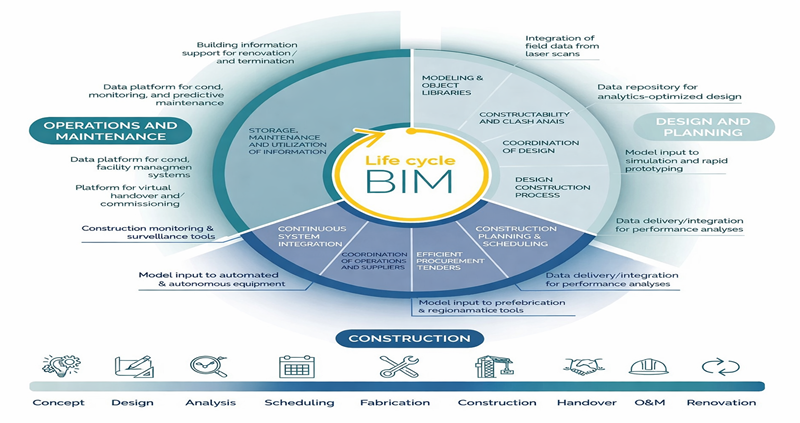

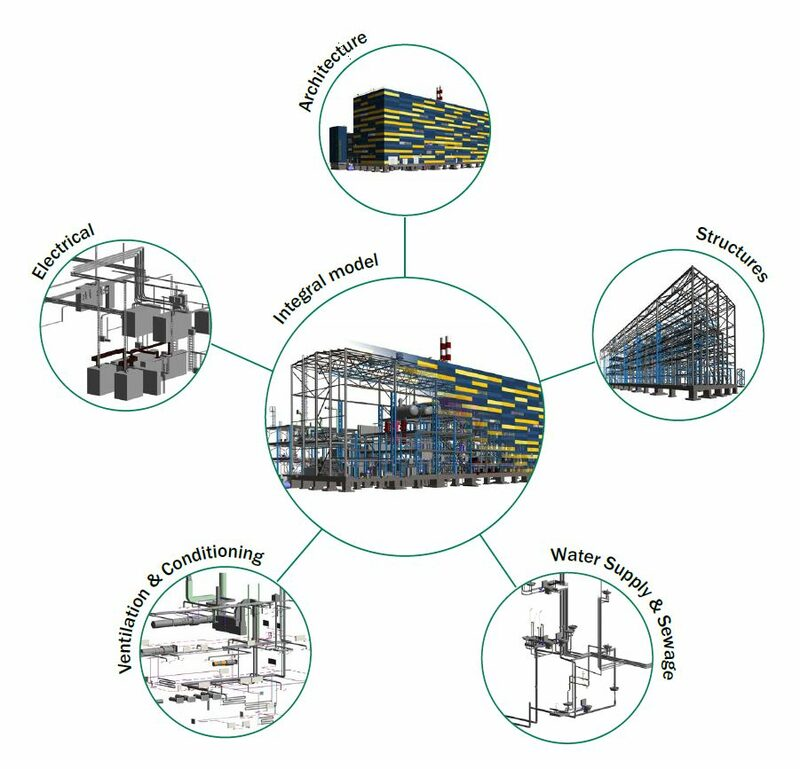
**Building lifecycle in BIM** refers to the structured process through which digital building information is created, used, and maintained from early planning through long-term operation. Nemetschek Software supports this lifecycle by enabling connected yet flexible BIM workflows that align with how real-world AEC projects are delivered, rather than forcing teams into a single closed platform.
As BIM adoption increases across public and private projects, lifecycle-based delivery has become a priority. According to the [National Institute of Building Sciences](https://www.nibs.org/projects/national-bim-standard-united-states), the National BIM Standard–United States defines BIM as a process that supports reliable information exchange across planning, design, construction, and facility operations. This lifecycle-based approach enables better coordination, reduced rework, and long-term asset data continuity.
This lifecycle focus explains why Nemetschek tools are commonly used on complex projects that demand long-term data value, interoperability, and collaboration across disciplines.
This article explains what the building lifecycle means in BIM, how Nemetschek Software supports each phase, and how its tools are applied from design through construction and operations.
Unlock High-Paying Careers With BIM
Master BIM workflows, software and skills on real projects.
Apply Now
\*Limited seats available
## What Does “Building Lifecycle” Mean in BIM?
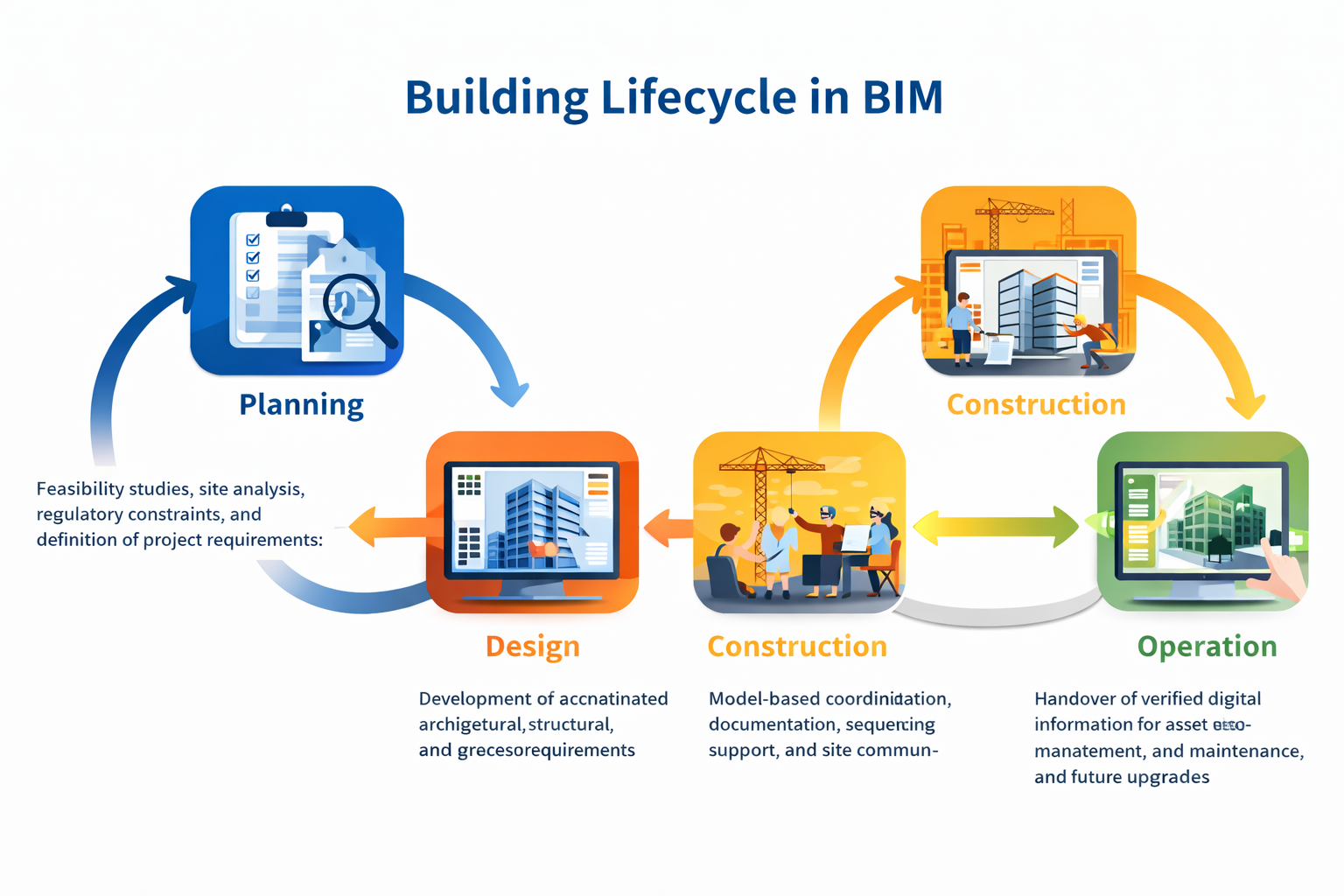
To clearly understand what is Building lifecycle in BIM, it is important to move beyond the idea of [BIM](https://www.novatr.com/blog/what-is-building-information-modeling-bim) as only a design tool. In a lifecycle context, BIM represents a continuous information process that supports decision-making throughout a building’s entire existence, rather than a sequence of disconnected deliverables.
The building lifecycle in BIM typically includes four connected stages:
- **Planning:** Feasibility studies, site analysis, regulatory constraints, and definition of project requirements
- **Design:** Development of coordinated architectural, structural, and engineering models with embedded data
- **Construction:** Model-based coordination, documentation, sequencing support, and site communication
- **Operation:** Handover of verified digital information for asset management, maintenance, and future upgrades
This approach supports BIM from design to operations by ensuring that information created during early phases remains usable later. Instead of recreating drawings or data at each stage, BIM allows teams to build on existing information as the project progresses.
A lifecycle-based BIM approach also reduces risk and uncertainty. Errors identified during planning or design are significantly less costly to resolve than those discovered during construction or operation. Consistent data improves coordination between designers, contractors, and owners, reducing misinterpretation and duplication of effort.
For this reason, many public agencies and large asset owners now require BIM deliverables that support long-term operations rather than short-term project completion. Nemetschek Software aligns naturally with this expectation because its tools are designed to support specific lifecycle stages while remaining interoperable.
## Top Nemetschek Software and Its Alternatives Across the Design and Engineering Phase
The design and engineering phase is where the foundation of the [building lifecycle](https://www.novatr.com/blog/bim-processes-in-construction-project-lifecycle) is established. Decisions made at this stage influence constructability, cost certainty, regulatory compliance, and long-term performance.
Allplan in engineering is widely used during this phase for BIM-based modeling of buildings and infrastructure. It supports detailed geometry, parametric elements, and reinforcement modeling, allowing engineers to translate technical intent into coordinated BIM models that can be reliably used downstream.
This level of detail is particularly critical for infrastructure and structurally complex projects, where geometric accuracy and data consistency directly influence construction feasibility. It allows engineers to refine design alternatives with confidence while staying fully aligned with engineering standards and coordination requirements.
Structural performance is validated using Scia Engineer, which supports load analysis, code-based checks, and structural verification. Engineers use it to evaluate safety and serviceability before models move into coordination and construction workflows, reducing the likelihood of late-stage structural changes.
[Alternative tools](https://www.novatr.com/blog/8-popular-bim-software) may be used alongside these platforms depending on discipline, project scale, or regional standards. However, [Nemetschek’s](https://www.novatr.com/blog/what-is-the-nemetschek-software-and-why-it-matters-in-the-global-aec-landscape)advantage lies in how design data remains usable beyond authoring. Models created during design are prepared for validation, coordination, and documentation without loss of information.
## Top Nemetschek Software and Its Alternatives in the Coordination and Construction Phase
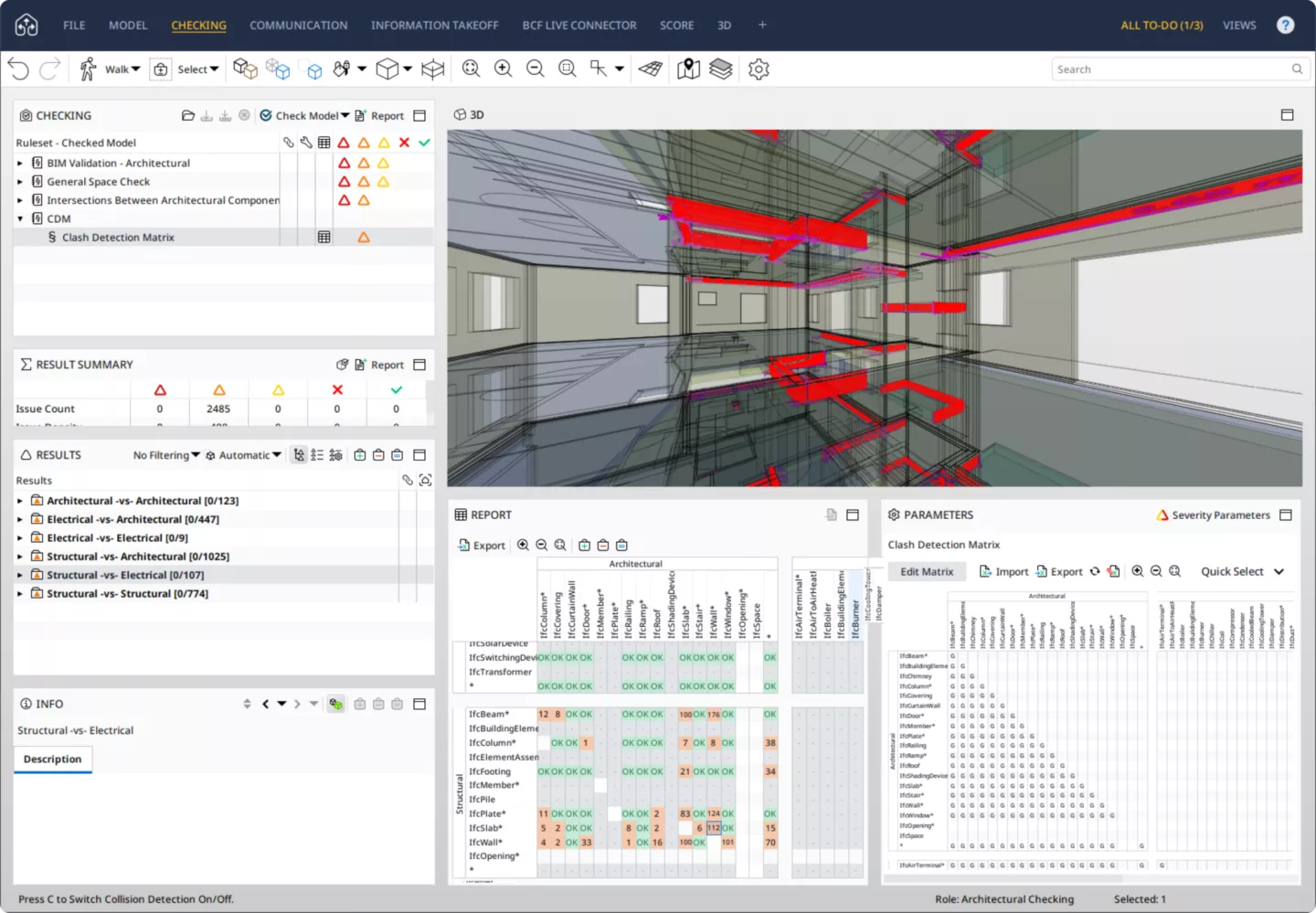
As projects move into construction, BIM priorities shift from design creation to coordination, clarity, and communication. At this stage, teams must ensure that models are complete, consistent, and understandable to all stakeholders.
Solibri Model Checker is key to coordination workflows. It allows teams to review IFC-based models independently, [checking for clashes](https://www.novatr.com/blog/bim-for-clash-detection), missing data, and compliance with project standards. Because Solibri operates separately from authoring tools, it supports objective reviews and clear accountability across disciplines.
This independent validation is particularly important on regulated projects, where design checks must be traceable and transparent. [BIM coordinators](https://www.novatr.com/blog/top-software-to-master-as-a-bim-coordinator) use Solibri to identify issues early and communicate them clearly to design teams.
Construction teams rely heavily on documentation rather than complex models. [Bluebeam Revu](https://www.novatr.com/blog/what-is-bluebeam-revu-a-guide-for-civil-engineers) supports this need by enabling drawing reviews, markups, RFIs, and site communication in a format that is accessible to contractors, inspectors, and field engineers without BIM authoring expertise.
Together, these tools support [BIM for construction](https://www.novatr.com/blog/what-is-bim-in-construction-management-the-complete-guide) by translating model-based information into practical, actionable outputs. While some alternatives emphasize visualization or scheduling, Nemetschek tools prioritize coordination quality, documentation clarity, and issue resolution.
## Top Nemetschek Software in the Handover and Operations Phase
The handover and operations phase is where BIM delivers its longest-lasting value. Accurate and structured information enables owners and facility managers to operate assets efficiently over time.
Nemetschek tools support this phase by maintaining data integrity through design and construction. Models validated using Solibri and documented through Bluebeam provide reliable digital records at handover, reducing uncertainty for operational teams.
This continuity supports BIM from design to operations by ensuring that facility managers receive usable information rather than disconnected drawings. Asset data can then be integrated into facility management systems for maintenance planning, renovations, and future upgrades.
While Nemetschek does not position itself as a facilities management platform, its tools enable clean and structured data transfer into operational environments. This is particularly valuable for public infrastructure, healthcare facilities, and large commercial portfolios.
By preserving data quality through each phase, Nemetschek Software extends BIM value well beyond project completion.
## Five Examples of Real-World Use of Nemetschek Across the Building Lifecycle
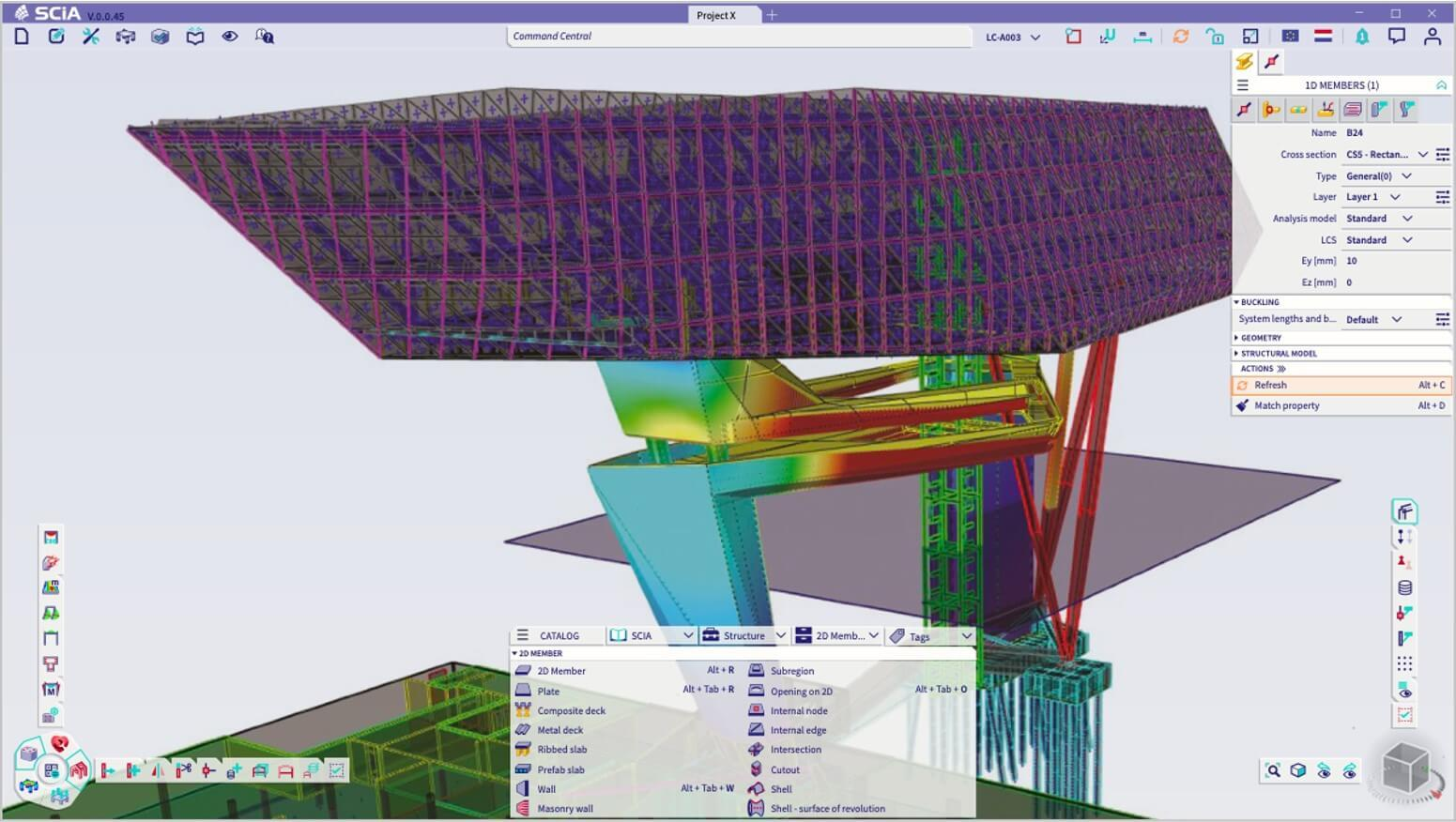
The following examples illustrate how Nemetschek tools support lifecycle-based delivery across different project types:
1. **Public Infrastructure Project:** Allplan supports civil modeling during design, Scia Engineer validates structural behavior, Solibri ensures coordination, and Bluebeam manages construction documentation.
2. **Commercial Office Development:** Design teams coordinate architectural and structural models using Solibri, while Bluebeam supports drawing reviews and site communication throughout construction.
3. **Transportation Facility:** Engineering models created in Allplan in construction remain aligned with execution requirements through continuous validation and coordination checks.
4. **Healthcare Project:** Solibri is used to validate clearance, safety, and compliance requirements before models are approved for construction and handover.
5. **Mixed-Use Development:** An connects planning models with construction documentation and reliable digital handover data.
These examples demonstrate how Nemetschek Software supports continuity across the entire building lifecycle.
Master BIM and Get Hired Faster
Join a community of 8500+ Architects and Engineers.
Explore Now
\*Limited seats available
## **Conclusion**
Nemetschek Software supports the entire building lifecycle by enabling flexible, interoperable BIM workflows from planning through operations. Aligning specialized tools with each phase helps project teams maintain data continuity, improve coordination, and support long-term asset value. This lifecycle-driven approach makes Nemetschek relevant across global AEC projects involving civil, structural, and construction disciplines.
For professionals looking to develop practical BIM expertise aligned with lifecycle workflows, structured learning is essential. The [BIM professional Course for Civil Engineers](https://www.novatr.com/us/courses/bim-for-civil-engineers) offered by [Novatr](https://www.novatr.com/us) focuses on applied BIM practices, coordination principles, and real-world project scenarios that reflect how Nemetschek tools are used across the building lifecycle.
Visit our [resource page](https://www.novatr.com/learning-hub) to explore learning paths and insights designed to support long-term growth in BIM careers.
Was this content helpful to you
Like Yes
Dislike No

TABLE OF CONTENTS
BIM Is The New Standard. Are You Certified?
Get Certified in BIM
SHARE ON YOUR SOCIALS
Link Copied Successfully
Related articles
[ CIVIL How Solibri Is Used by BIM Coordinators and Engineers for Model Checking? 19 February 2026 5 min read](https://blog.novatr.com/blog/how-solibri-is-used-by-bim-coordinators-and-engineers-for-model-checking) [ CIVIL How Structural Engineers Use Nemetschek Software in BIM Workflows? 19 February 2026 5 min read](https://blog.novatr.com/blog/how-structural-engineers-use-nemetschek-software-in-bim-workflows) [ CIVIL Why BIM Skills Matter More Than LEED Certificates on Real U.S. Projects 23 February 2026 5 min read](https://blog.novatr.com/blog/why-bim-skills-matter-more-than-leed-certificates-on-real-u.s.-projects) [ CIVIL Solibri Vs Autodesk Navisworks: What BIM Coordinators and Engineers Should Know? 20 February 2026 7 min read](https://blog.novatr.com/blog/solibri-vs-autodesk-navisworks-what-bim-coordinators-and-engineers-should-know)
Download Syllabus
## BIM Professional Program
Next Cohort
June 2026
Program Duration
7 Months
Premium Program benefits
8 Credentials from Autodesk, NSDC, Novatr
1 program. 10 career paths. Infinite Growth.
40+ ISO 19650 & RIBA real-world projects to practice
1-on-1 guidance. Access 400+ industry experts.
Access the biggest AEC-Tech community on the planet. 8500+ and counting
Curated for you by 100+ global BIM leaders.
Lifelong access to course content
Enter your details to download the program syllabus.
##### BIM Professional Program
June 2026, 7 Months
Your Name Invalid name.
Phone Number Enter a valid phone number
Email Please enter a valid email address.
Select years of experience\* Currently studying 0-1 years 1-2 years 2-4 years 4-8 years 8-10 years 10-12 years 12+ years Invalid selection.
Specialisation Select your background\* Architecture Civil Engineering Mechanical Engineering Electrical Engineering Invalid selection.
Are you professionally trained in interior design?
Yes
No
I agree to the [Terms of Use](https://www.novatr.com/terms-and-conditions) and [Privacy Policy](https://www.novatr.com/privacy-policy), and consent to be contacted by Email, Call, WhatsApp, or SMS.
Submit
Ready to skyrocket your career?
Begin your next chapter in AEC
with Novatr!
We are here to help you take the industry by storm with advanced, tech-first skills.
[Explore Courses](https://www.novatr.com/#courses)
Join our newsletter
Submit
Thank you for signing up.
We’ll send you a nice letter once per week. No spam.

Dare to Disrupt.
Join thousands of people who organise
work and life with Novatr.
Company
- [About Us](https://www.novatr.com/about)
- [BIM Professional Program v.2026](https://www.novatr.com/courses/bim-professional-program)
- [Masters Computational Design](https://www.novatr.com/courses/computational-design)
- [Become a Mentor](https://www.novatr.com/apply-as-mentor)
- [Hiring from Us](https://www.novatr.com/hire-from-us)
- [Careers at Novatr](https://www.novatr.com/career)
Resources
- [Blog](https://www.novatr.com/learning-hub)
- [Media Room](https://www.novatr.com/media-room-home-page)
- [Career Builder](https://www.novatr.com/career-navigator)
- [Events & Webinars](https://www.novatr.com/webinars)
- [FAQs & Support Center](https://www.novatr.com/contact-us)
- [Contact Us](https://www.novatr.com/contact-us)
- [Privacy Policy](https://www.novatr.com/privacy-policy)
- [Terms of Use](https://www.novatr.com/terms-and-conditions)
©2023 Oneistox Network Pvt. Ltd.
All Rights Reserved
```json
{
"@context" : "https://schema.org",
"@type" : "BlogPosting",
"author" : {
"@type" : "Person",
"name" : "Deependra Dobriyal",
"url" : "https://blog.novatr.com/blog/author/deependra-dobriyal"
},
"dateModified" : "2026-02-19T12:35:30.639Z",
"datePublished" : "2026-02-19T12:28:02.000Z",
"headline" : "Understand How Nemetschek Software Supports the Entire Building Lifecycle?",
"image" : [ "https://blog.novatr.com/hubfs/BIM%20lifecycle%20stages%20from%20planning%20to%20operations.png" ],
"mainEntityOfPage" : {
"@id" : "https://blog.novatr.com/blog/understand-how-nemetschek-software-supports-the-entire-building-lifecycle",
"@type" : "WebPage"
},
"publisher" : {
"@type" : "Organization",
"logo" : {
"@type" : "ImageObject",
"url" : "https://blog.novatr.com/hubfs/Novatr%20Prev%20OX-2.svg"
}
}
}
```