

.png)

What Is AI-Driven HVAC Optimization and How Is It Changing Building Performance?
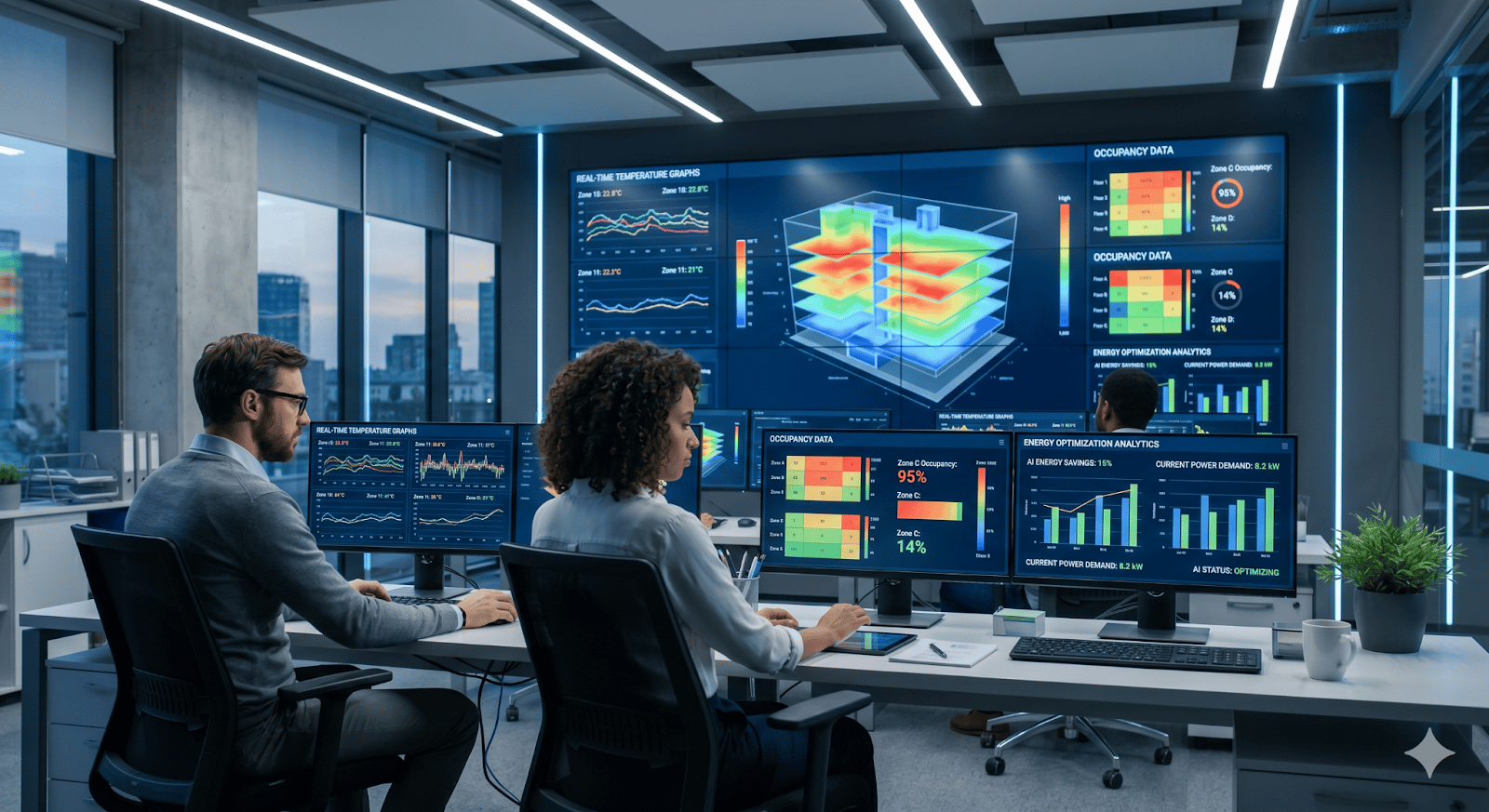
Most HVAC systems were designed to follow schedules. Offices cool down at fixed hours, and systems run even when spaces are not fully used. That approach works, but it is inefficient.
HVAC optimization today is more specific to actual building conditions as opposed to set regulations. This shift in how HVAC systems operate can be understood through a few key changes:
-
Systems respond, not just operate
Instead of sticking to fixed settings, AI tools allow HVAC systems to react to occupancy, outdoor temperature, and internal heat loads as they change.
-
Energy optimization becomes continuous
Traditional setups often overcool or overheat spaces. AI HVAC tools reduce this by matching system output with actual demand.
-
Patterns start to matter
Over time, systems begin to "understand" usage patterns. For example, a meeting room that gets used every afternoon is treated differently from a space that is rarely occupied.
-
Small inefficiencies are easier to notice.
Problems like uneven cooling or excess airflow can be identified early, helping prevent energy waste over time.
-
Part of a larger smart building setup
HVAC systems no longer operate on their own. They work alongside lighting and other building systems through building automation.
The change may not be immediately noticeable, but it affects how systems perform. HVAC systems respond earlier, which helps maintain better comfort and efficiency. In practice, this shift also affects how systems are designed and calculated.
Which Are the Best AI Tools for HVAC Design and Load Calculation in 2026?
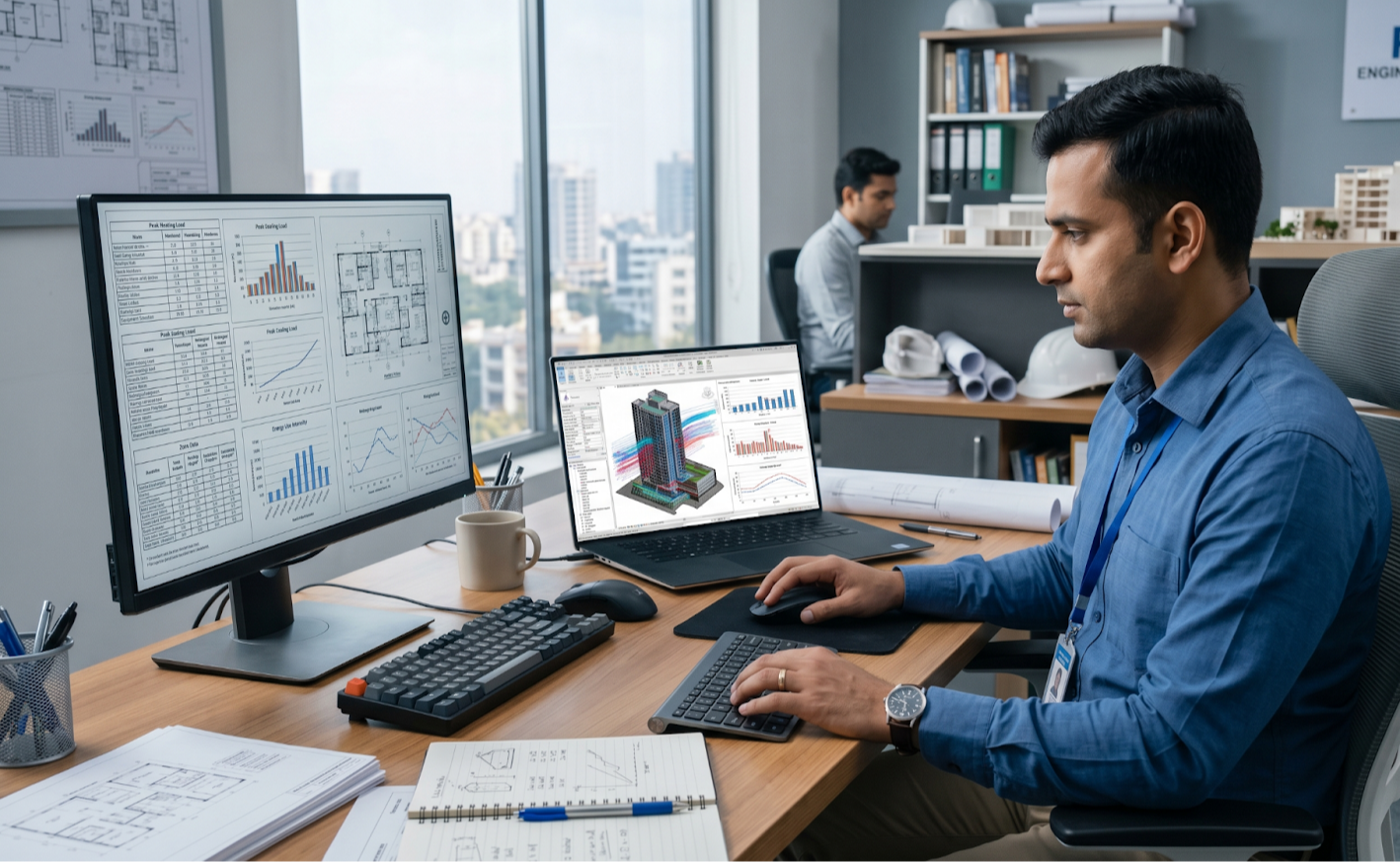
When it comes to HVAC systems, design decisions continue to affect performance long after installation. If the load calculation is off, the system either struggles or wastes energy. This is one of the reasons these tools are being used earlier in MEP engineering workflows.
A few commonly used options that support HVAC design and load calculation are:
-
Autodesk Insight
Works with BIM models and helps estimate energy performance at an early stage. It is useful when comparing different design options.
-
IES VE
Its focus on detailed simulation helps engineers evaluate how a building might behave under varying conditions.
-
Cove.tool
Used for quick feedback during early design and HVAC systems sizing.
-
DesignBuilder
Helps evaluate HVAC performance in different climate conditions.
-
Carrier HAP
Used for load calculation and system selection with structured analysis.
These HVAC tools help answer practical questions like how to calculate electrical and HVAC loads in buildings and how to use AI for HVAC energy efficiency. In practice, they reduce dependence on assumptions. Engineers get a clearer picture before the system is even installed.
What Are the Best AI-Powered HVAC Monitoring and Predictive Maintenance Tools Available?
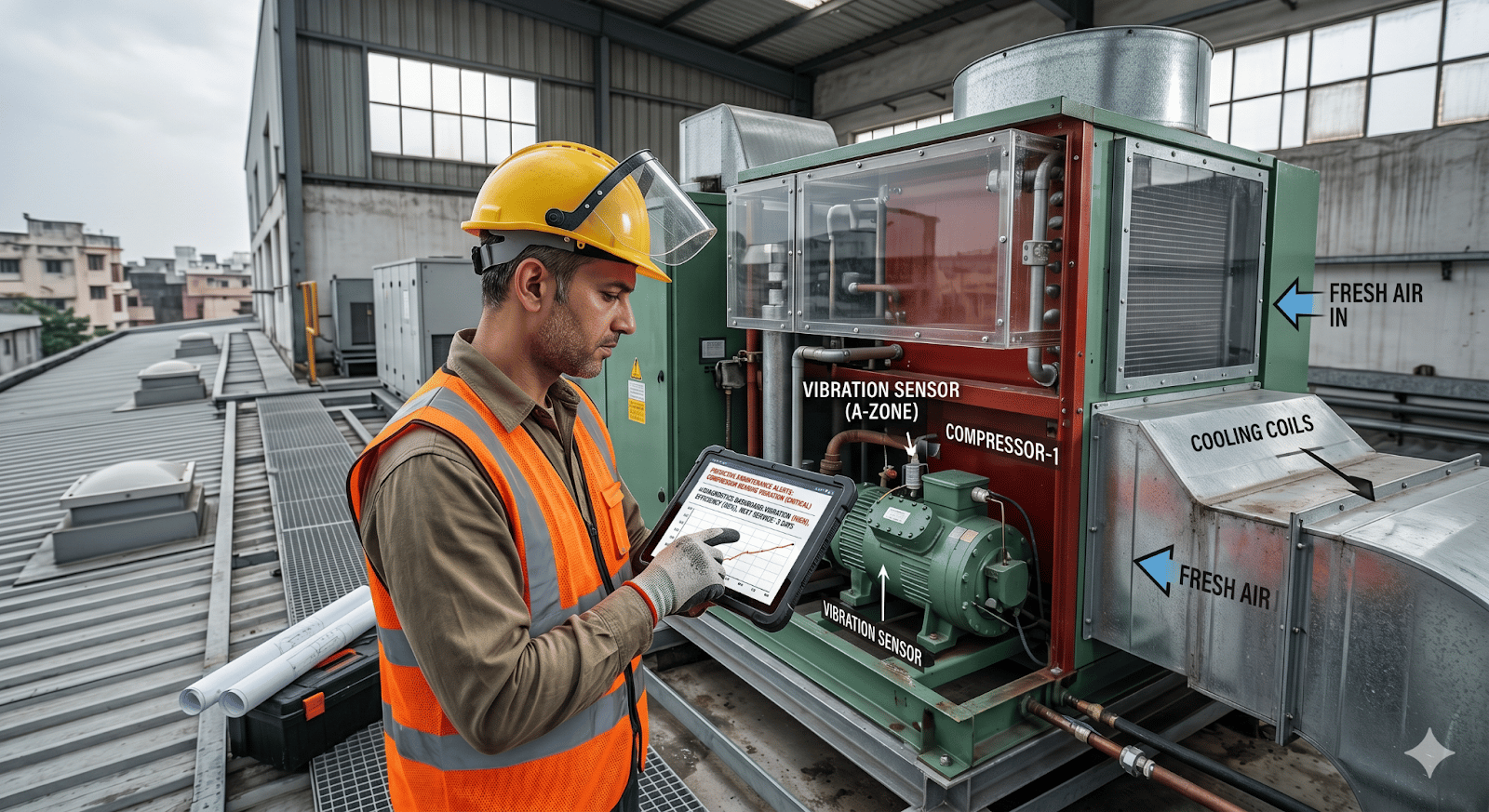
Once the building becomes operational, the focus shifts. At this stage, the priority moves from design to maintaining performance. Continuous monitoring makes it easier to manage.
In practice, several tools are used to monitor HVAC systems and manage maintenance more effectively:
-
Honeywell Forge
Tracks HVAC systems in real time and highlights inefficiencies that may not be obvious otherwise.
-
Johnson Controls OpenBlue
Helps catch issues early through predictive maintenance, which lowers the chances of unexpected failures.
-
Schneider Electric EcoStruxure
Connects HVAC systems with energy tools and makes it easier to monitor how the system is performing.
-
BrainBox AI
Focuses on HVAC optimization by adjusting system behavior based on how spaces are used and surrounding conditions.
-
75F Smart Building System
Works well in smaller setups. It controls temperature at a zone level rather than treating the entire building the same.
These tools directly answer which AI tools help reduce HVAC energy consumption and how does AI improve HVAC system performance. The difference is noticeable. Maintenance shifts from fixing problems to preventing them in the first place.
How Do AI Tools Integrate With BIM and MEP Workflows for HVAC Optimization?
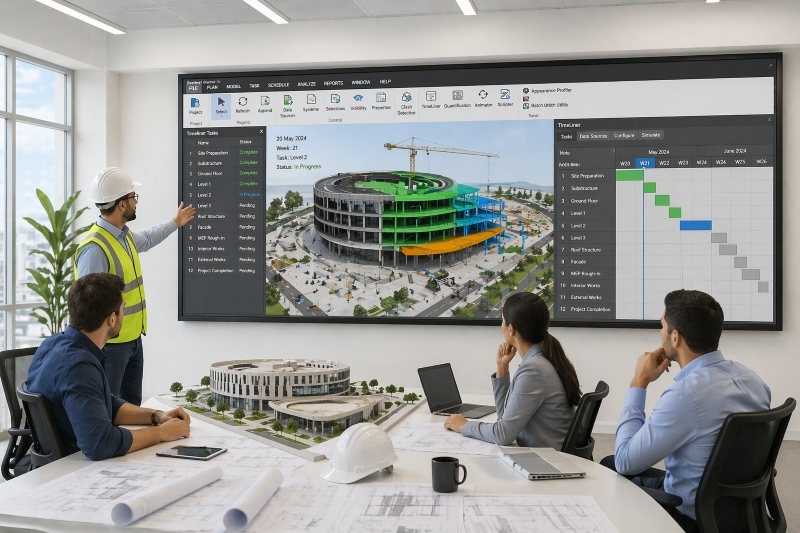
In most projects, these tools don't add much value when used separately. They tend to work better when they are part of a larger workflow. In BIM and MEP systems, this integration helps connect design, execution, and operation.
This integration becomes clearer when we look at how these tools function within everyday workflows:
-
AI tools use BIM data to simulate HVAC performance before installation
-
Conflicts between HVAC systems and other services can be identified early
-
Performance can be tracked even after construction is complete
-
Repetitive tasks like load calculation become faster
-
Teams can collaborate using shared data instead of isolated inputs
This is where smart HVAC and building automation start to overlap. Instead of working in separate stages, systems remain connected throughout the building's lifecycle. Over time, this continuity supports better HVAC optimization.
What Should HVAC Engineers Look for When Choosing an AI Optimization Tool?
With so many options available, selecting the right AI HVAC tool can be confusing. Not every tool will suit every project. The key is how it performs in real conditions rather than just on paper.
When selecting a tool, a few practical factors should be considered:
-
It should connect smoothly with existing MEP systems
-
The interface should support daily work without slowing it down
-
Results should remain consistent and dependable
-
Real-time monitoring should be available when needed
-
It should be suitable for different building scales
-
It must account for Indian climate variations
-
Integration with BIM workflows should remain smooth
-
The cost should reflect long-term value
In most cases, the decision comes down to usability. If the tool fits naturally into the workflow, it is more likely to be used effectively.
.png)