---
title: Why Use BIM in Construction, and the Cost of Skipping it
description: Discover how skipping BIM raises rework, delays, and overruns. Learn BIM benefits, cost savings, and how civil engineers can build essential BIM skills.
image: https://blog.novatr.com/hubfs/The%20Real%20Cost%20of%20Not%20Using%20BIM%20in%20Construction%20Projects.jpg
---
[Blogs](https://www.novatr.com/learning-hub)
- [Architecture & Construction](https://www.novatr.com/learning-hub?category=Architecture+%26+Construction)
- [BIM](https://www.novatr.com/learning-hub?category=BIM)
- [Computational Design](https://www.novatr.com/learning-hub?category=Computational+Design)
- [Company News](https://www.novatr.com/learning-hub?category=Company+News)
- [Expert Talks](https://www.novatr.com/learning-hub?category=Expert+Talks)
Explore Courses
[Just Launched  BIM Professional Program v.2026 Take your career to the next level by mastering the real-world application of BIM. Know More](https://www.novatr.com/courses/bim-professional-program)
[ Master Computational Design Course Break into an advanced career by learning to apply the power of computation to the art of design. Know More](https://www.novatr.com/courses/computational-design)
[Blogs](https://www.novatr.com/learning-hub)
Explore Blogs
- [Architecture & Construction](https://www.novatr.com/learning-hub?category=Architecture+%26+Construction)
- [BIM](https://www.novatr.com/learning-hub?category=BIM)
- [Computational Design](https://www.novatr.com/learning-hub?category=Computational+Design)
- [Company News](https://www.novatr.com/learning-hub?category=Company+News)
- [Expert Talks](https://www.novatr.com/learning-hub?category=Expert+Talks)
Courses
- [BIM Professional Program v.2026](https://www.novatr.com/courses/bim-professional-program)
- [Master Computational Design](https://www.novatr.com/courses/computational-design)
- [CIVIL/](https://www.novatr.com/learning-hub?category=BIM)
Featured Article
# The Real Cost of Not Using BIM in Construction Projects

Harshita Chaudhary
June 5, 2026
6 min read
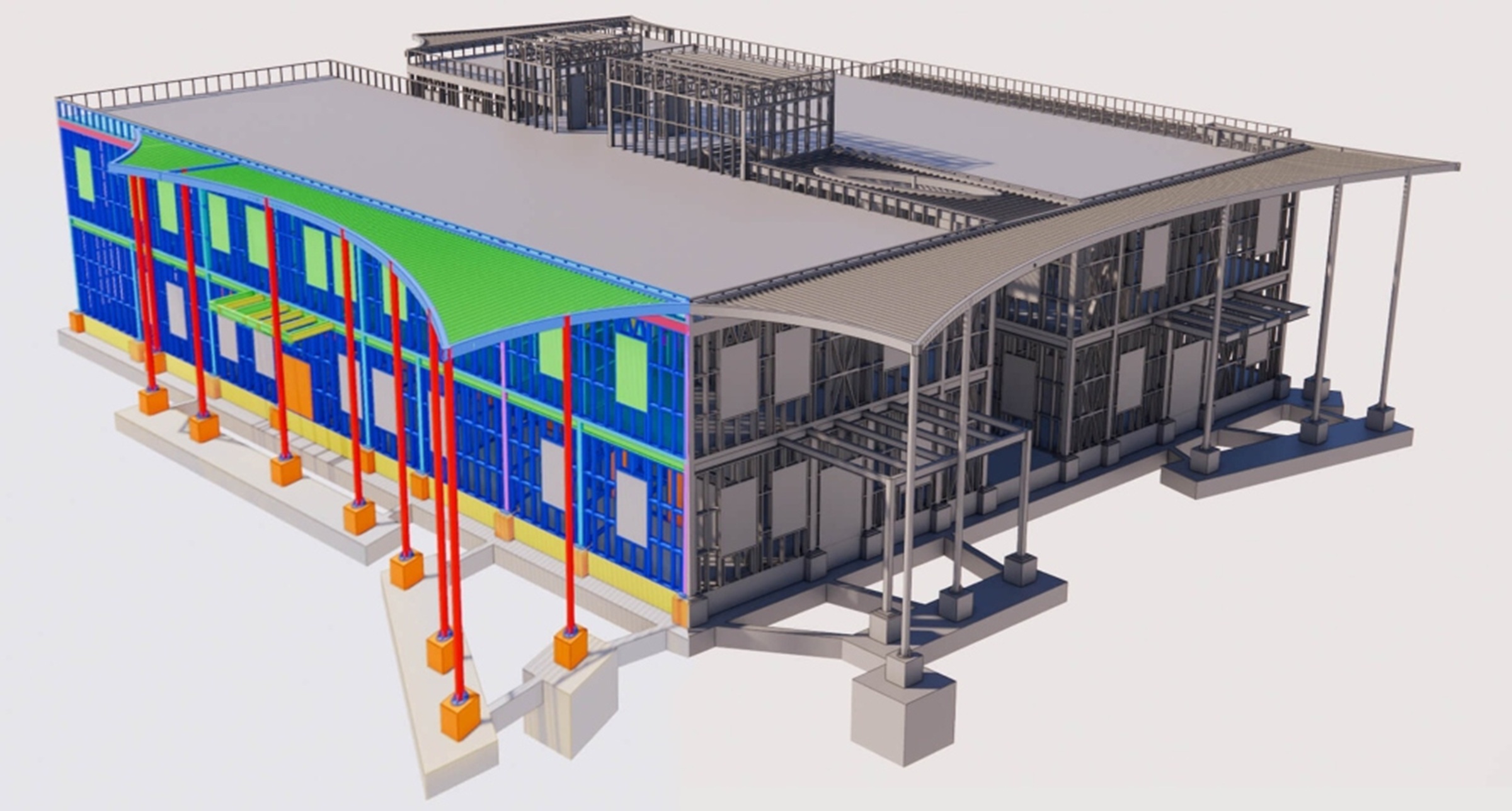

Construction projects without BIM face predictable problems such as delays, budget overruns, rework, and coordination failures. These are not one-off problems; they are often the direct result of relying on traditional workflows.
Understanding the **benefits of using BIM in construction** starts with recognising its importance and the limitations of not adopting it. To begin with, the **construction project risks** are quite easy to detect: clashes discovered on site, change orders that could have been avoided, and schedules that slip because teams are working from outdated information.
This blog breaks down the real costs of skipping BIM on AEC projects, from wasted materials to extended deadlines and cost overruns. It also covers the **benefits of BIM in construction**, the **benefits of BIM modelling, and why to use BIM** when the alternative is this expensive.
Unlock High-Paying Careers With BIM
Master BIM workflows, software and skills on real projects.
Apply Now
\*Limited seats available
## Common Problems in Traditional Construction Projects
As discussed previously, traditional methods drive up costs, trigger delays, and create avoidable risks for teams working without digital workflows. Here are a few more examples of the same:
Construction projects that rely on 2D drawings and manual coordination face recurring issues that drive up costs and extend timelines. Here are some of the most common challenges:
**1. Late Discovery of Clashes**: Without proper clash detection and coordination, there is a higher risk of clashes between different building systems, causing disruptions, rework, and delays during construction. Most conflicts between structural, MEP, and architectural elements are discovered on-site, where resolving them becomes significantly more expensive and time-consuming.
**2. Costly Rework**: Rework and material waste due to clashes can account for up to 30% of project costs. Errors found during construction are far costlier to fix than if they had been caught during design. This is where BIM advantages become measurable and impactful.
**3. Communication Breakdowns**: Poor communication and limited collaboration between teams often lead to coordination issues, delayed deliveries, and misaligned construction activities.([source](https://www.commercialdesignindia.com/projects/navi-mumbai-international-airport))
**4. Schedule Delays**: Undetected clashes often surface during construction, leading to increased costs and schedule overruns. Each unresolved issue creates a ripple effect that pushes timelines further behind and increases overall project costs.
**5. Material Waste**: Construction is one of the largest generators of waste worldwide, with traditional methods leading to imprecise material planning and costly rework. The benefits of BIM modelling directly address this challenge through accurate quantity take-offs and improved resource planning.([source](https://ui.adsabs.harvard.edu/abs/2025DiMat...5...25D/abstract))
## Hidden Costs of Not Using BIM
Research shows that BIM can reduce construction costs by up to 10% and decrease budgeting errors by nearly 40%, meaning projects without it often absorb these avoidable losses. Communication breakdowns lead to costly mistakes, rework, and delays, with labor and materials compounding further through penalties for missing delivery dates.([source](https://www.scantobimservices.com/blog/the-role-of-bim-in-modern-airport-design-and-expansion/))
These hidden costs reduce profitability and slow overall project delivery, making a **BIM cost benefit analysis** increasingly straightforward. The **benefits of using BIM in construction** are measurable precisely because the costs of not using it are so predictable. When **BIM Skills for civil engineers** become standard, these hidden costs disappear before they start.
## How BIM Reduces Delays and Cost Overruns
The **benefits of using BIM in construction** are straightforward. Clash detection identifies conflicts during design phases, preventing costly on-site rework and delays that would otherwise occur during construction.
BIM coordination improves synchronisation between architectural, structural, and MEP disciplines by ensuring that clashes are resolved during the pre-construction stage. Problems are solved digitally before construction begins rather than physically on-site.
Fixing an issue during the planning phase is relatively inexpensive. Fixing the same issue during construction often requires demolition, redesign, additional manpower, and material replacement.
The **benefits of BIM modeling** include real-time cost tracking and schedule visualization. Teams catch sequencing problems before work starts.
## Real-World Impact of BIM on Project Efficiency
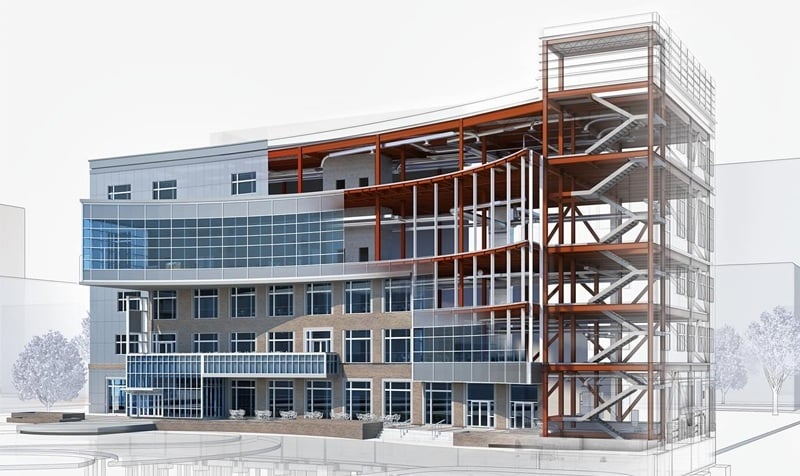
The **benefits of BIM in construction** show up most clearly in how teams actually work. BIM enables integrated decision-making by combining design, scheduling, cost, and sustainability data in one platform, supporting proactive planning, and fostering collaboration across all project stages.
By identifying clashes early in the design phase, teams can minimise interference during construction and ensure smoother coordination between trades on-site. This makes the **BIM cost-benefit analysis** straightforward.
BIM modelling enabled the breakdown of systems into sections that could be efficiently constructed off-site, leading to higher productivity and enhanced quality.
For professionals developing **BIM Skills for civil engineers,** BIM fundamentally changes how projects are planned, coordinated, and executed.
## Why Are Companies Shifting to BIM?
The **benefits of using BIM in construction** are clear, but the shift is being driven by more than just efficiency gains.
Government mandates are essential for BIM adoption because the construction industry is strongly fragmented and bound by strict regulations, and government regulations mandating BIM adoption for public infrastructure projects are fueling demand across the industry.
If clients do not demand BIM in their project specifications, construction firms might not see the incentive to adopt it, but increasingly, they do. Digitally advanced companies gain a competitive edge because they can deliver projects faster, reduce errors, and improve cost efficiency.
Understanding **why to use BIM in construction** is no longer just about **BIM advantages;** it is about staying relevant in a rapidly evolving industry. Companies that build **BIM Skills for civil engineers** now position themselves where the market is moving.
## What Does this Mean for Civil Engineers?
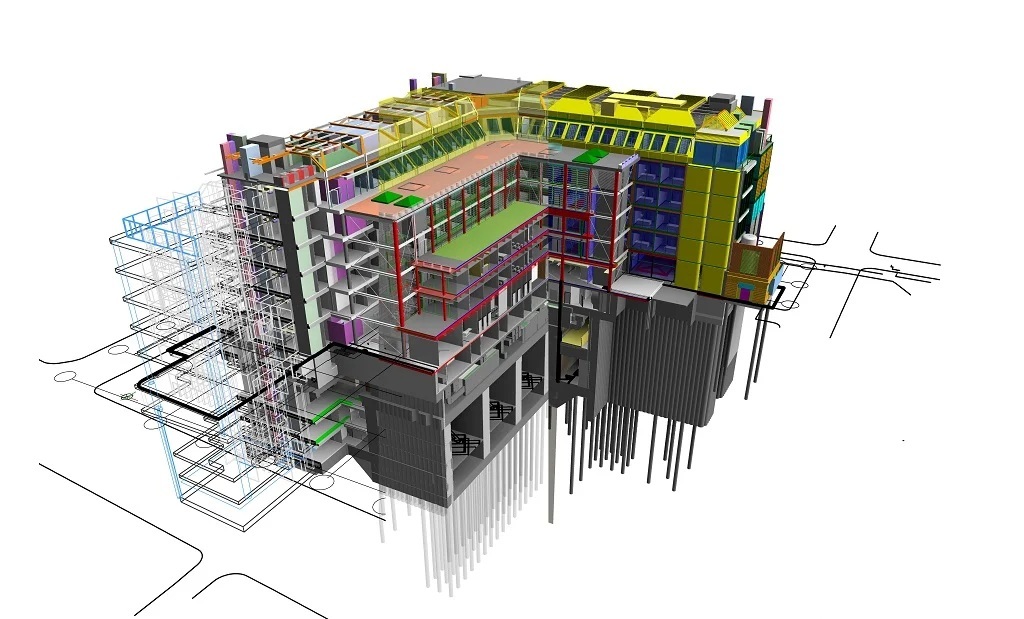
BIM coordination and management positions see companies requiring employees who can facilitate communication between architecture, MEP, and structural teams, and Civil engineers with expertise in Revit, Navisworks, BIM 360, and clash detection workflows stand out because these skills help reduce project errors, eliminate rework, and improve execution efficiency.
BIM training or experience is now listed as a plus or requirement in civil engineering job postings; what was once a bonus is becoming the bare minimum.
The **benefits of using BIM in construction** are clear to employers. Understanding the **BIM advantages** and building **BIM Skills for civil engineers** is what separates candidates who get hired from those who wait. **Why use BIM in construction is no longer** the primary question. The real question is whether professionals are prepared for the shift already taking place.
## How to Build BIM Skills for Modern Projects
Building **BIM Skills for civil engineers** requires more than watching tutorials. Start with structured programs that offer hands-on training and real project exposure to help transition smoothly from classroom to construction site.
Most beginners start with Autodesk Revit for modeling, followed by tools like Navisworks for coordination and clash detection. However, learning software independently often fails to provide an understanding of how BIM functions across an entire project lifecycle.
The **benefits of BIM modeling** come from understanding how tools fit into real workflows. [Novatr's](https://www.novatr.com/learning-hub) [BIM Professional Course for Civil Engineers](https://www.novatr.com/courses/bim-for-civil-engineers) addresses this by covering coordination, clash detection, and documentation through live sessions and mentored guidance, aligned with how teams work on actual projects. The curriculum includes a capstone project that gives practical experience before entering the field.
Master BIM and Get Hired Faster
Join a community of 8500+ Architects and Engineers.
Explore Now
\*Limited seats available
## Conclusion
The cost of not using BIM is very real. It shows up as rework, delays, budget overruns, and coordination failures that could have been caught before construction began.
The **benefits of using BIM in construction** are clear: fewer errors, better coordination, faster delivery. The BIM advantages are measurable, and any BIM cost benefit analysis quickly demonstrates their value.
For civil engineers, the shift is already happening. Employers expect **BIM Skills for civil engineers**. Projects require them. Understanding why to use BIM in construction is straightforward because the alternative is significantly more expensive and inefficient. This is where we think the BIM Professional Course for Civil Engineers by Novatr can help.
Check out [Novatr’s](https://www.novatr.com/us) [BIM Professional Course for Civil Engineers](https://www.novatr.com/courses/bim-for-civil-engineers), and for more information, head to the [resources page](https://www.novatr.com/learning-hub) to find learning material and training that strengthen your resume and make you stand out in a competitive market.
Was this content helpful to you
Like Yes
Dislike No

TABLE OF CONTENTS
BIM Is The New Standard. Are You Certified?
Get Certified in BIM
SHARE ON YOUR SOCIALS
Link Copied Successfully
Related articles
[ BIM Civil India’s Construction Industry in 2030: Will BIM Be the Standard? 5 June 2026 7 min read](https://blog.novatr.com/blog/indias-construction-industry-in-2030-will-bim-be-the-standard) [ BIM Civil What is 4D BIM? A Complete Guide to Construction Planning Using BIM 30 April 2026 6 min read](https://blog.novatr.com/blog/what-is-4d-bim-a-complete-guide-to-construction-planning-using-bim) [ BIM Civil Want to Work on Mеtro Projеcts? Lеarn Thеsе BIM Skills 28 May 2026 7 min read](https://blog.novatr.com/blog/bim-skills-for-metro-projects-and-infrastructure-careers) [ BIM Civil Top 7 Free Software Tools For Civil Engineers 11 June 2026 8 min read](https://blog.novatr.com/blog/top-7-free-software-tools-for-civil-engineers)
Download Syllabus
## BIM Professional Program
Next Cohort
June 2026
Program Duration
7 Months
Premium Program benefits
8 Credentials from Autodesk, NSDC, Novatr
1 program. 10 career paths. Infinite Growth.
40+ ISO 19650 & RIBA real-world projects to practice
1-on-1 guidance. Access 400+ industry experts.
Access the biggest AEC-Tech community on the planet. 8500+ and counting
Curated for you by 100+ global BIM leaders.
Lifelong access to course content
Enter your details to download the program syllabus.
##### BIM Professional Program
June 2026, 7 Months
Your Name Invalid name.
Phone Number Enter a valid phone number
Email Please enter a valid email address.
Select years of experience\* Currently studying 0-1 years 1-2 years 2-4 years 4-8 years 8-10 years 10-12 years 12+ years Invalid selection.
Specialisation Select your background\* Architecture Civil Engineering Mechanical Engineering Electrical Engineering Invalid selection.
Are you professionally trained in interior design?
Yes
No
I agree to the [Terms of Use](https://www.novatr.com/terms-and-conditions) and [Privacy Policy](https://www.novatr.com/privacy-policy), and consent to be contacted by Email, Call, WhatsApp, or SMS.
Submit
Ready to skyrocket your career?
Begin your next chapter in AEC
with Novatr!
We are here to help you take the industry by storm with advanced, tech-first skills.
[Explore Courses](https://www.novatr.com/#courses)
Join our newsletter
Submit
Thank you for signing up.
We’ll send you a nice letter once per week. No spam.

Dare to Disrupt.
Join thousands of people who organise
work and life with Novatr.
Company
- [About Us](https://www.novatr.com/about)
- [BIM Professional Program v.2026](https://www.novatr.com/courses/bim-professional-program)
- [Masters Computational Design](https://www.novatr.com/courses/computational-design)
- [Become a Mentor](https://www.novatr.com/apply-as-mentor)
- [Hiring from Us](https://www.novatr.com/hire-from-us)
- [Careers at Novatr](https://www.novatr.com/career)
Resources
- [Blog](https://www.novatr.com/learning-hub)
- [Media Room](https://www.novatr.com/media-room-home-page)
- [Career Builder](https://www.novatr.com/career-navigator)
- [Events & Webinars](https://www.novatr.com/webinars)
- [FAQs & Support Center](https://www.novatr.com/contact-us)
- [Contact Us](https://www.novatr.com/contact-us)
- [Privacy Policy](https://www.novatr.com/privacy-policy)
- [Terms of Use](https://www.novatr.com/terms-and-conditions)
©2023 Oneistox Network Pvt. Ltd.
All Rights Reserved
```json
{
"@context" : "https://schema.org",
"@type" : "BlogPosting",
"author" : {
"@type" : "Person",
"name" : "Harshita Chaudhary",
"url" : "https://blog.novatr.com/blog/author/harshita-chaudhary"
},
"dateModified" : "2026-06-05T06:08:19.240Z",
"datePublished" : "2026-06-05T06:07:00.000Z",
"headline" : "Why Use BIM in Construction, and the Cost of Skipping it",
"image" : [ "https://blog.novatr.com/hubfs/The%20Real%20Cost%20of%20Not%20Using%20BIM%20in%20Construction%20Projects.jpg" ],
"mainEntityOfPage" : {
"@id" : "https://blog.novatr.com/blog/why-use-bim-in-construction-and-the-cost-of-skipping-it",
"@type" : "WebPage"
},
"publisher" : {
"@type" : "Organization",
"logo" : {
"@type" : "ImageObject",
"url" : "https://blog.novatr.com/hubfs/Novatr%20Prev%20OX-2.svg"
}
}
}
```