




What is Quantity Surveying?

Quantity surveying is a construction discipline focused on managing project costs and financial performance. It involves estimating construction expenses, preparing budgets, monitoring expenditures, and ensuring projects remain financially efficient.
Understanding what is a quantity surveyor means recognizing that the role focuses on financial control within construction projects. Quantity surveyors analyze building plans, calculate materials and labor requirements, and estimate costs before construction begins.
Their work starts during the planning phase when they prepare preliminary cost estimates based on design drawings. These estimates help project owners evaluate financial feasibility before approving construction.
During construction, quantity surveyors track expenses and manage financial risks. They review contractor payments, evaluate variations, and ensure work aligns with the approved project budget.
The profession has evolved with digital tools. Today, many projects rely on measurement software for quantity surveyors to calculate quantities directly from digital drawings or models. These tools improve accuracy and reduce manual calculations.
As construction becomes more technology-driven, quantity surveying increasingly integrates digital workflows that support efficient cost management.
What Does a Quantity Surveyor Do?
Understanding what does a quantity surveyor do requires examining their responsibilities across different stages of construction projects. Quantity surveyors manage financial aspects from early design planning to final project completion.
Their role focuses on ensuring projects remain cost-efficient while meeting design and quality standards. The key responsibilities typically include the following.
- Cost Estimation and Budget Planning
Quantity surveyors analyze drawings and project specifications to estimate construction costs, including materials, labor, and equipment. - Quantity Takeoffs
Surveyors calculate the materials required for construction. Many professionals use measurement software for quantity surveyors to extract quantities from drawings or BIM models. - Procurement and Tender Evaluation
They prepare tender documents and evaluate contractor proposals to ensure competitive pricing and compliance with project requirements. - Contract Administration
Quantity surveyors review and manage construction contracts, ensuring that financial agreements between project stakeholders are followed. - Cost Monitoring During Construction
They monitor project expenditures, track variations, and ensure that the construction budget remains under control. - Financial Reporting
Surveyors prepare cost reports and forecasts that help project stakeholders understand the financial progress of the project.
Modern construction projects increasingly rely on digital tools such as cost planning software for quantity surveyors to improve budgeting accuracy and financial analysis.
These technologies help professionals integrate cost data with project information, supporting more efficient financial management.
Also Read: Is BIM Useful For Quantity Surveyors!
Key Skills Required To Become a Quantity Surveyor
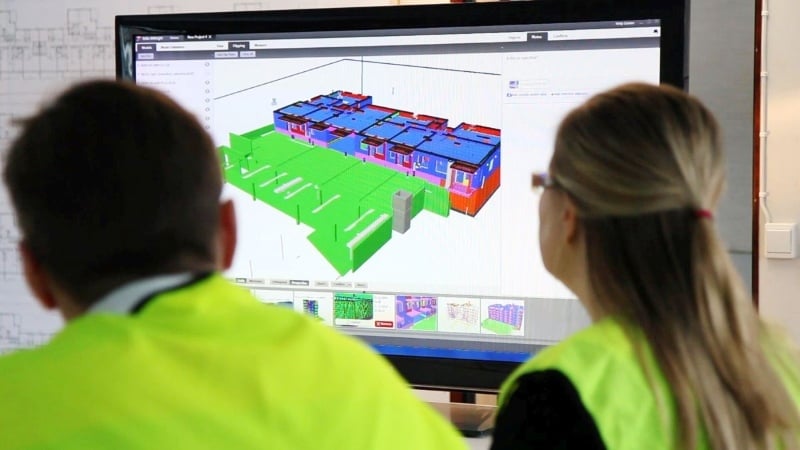
The role requires a combination of technical expertise and strong interpersonal abilities. The Skills required to become quantity surveyor professionals involve understanding construction data while communicating effectively with project stakeholders.
These skills can be grouped into technical skills and soft skills.
Technical Skills
Technical abilities allow quantity surveyors to evaluate project costs and analyze construction data accurately.
Important technical skills include:
- Cost estimation and budgeting: Surveyors calculate project costs based on drawings and specifications.
- Construction measurement: Accurate quantity calculations require strong knowledge of measurement methods.
- Digital software proficiency: Many projects rely on softwares for quantity surveyor tasks such as cost estimation and quantity takeoffs.
- Understanding BIM workflows: As digital construction expands, professionals often pursue BIM training for quantity surveyors to work with model-based project data.
- Contract knowledge: Surveyors must understand procurement procedures and contract terms.
These technical abilities help professionals maintain cost accuracy and financial transparency throughout construction projects.
Soft Skills
Soft skills help quantity surveyors coordinate with project teams and manage communication effectively.
Important soft skills include:
- Analytical thinking: Surveyors evaluate cost data and project risks.
- Communication skills: They explain financial reports and cost variations to clients and contractors.
- Attention to detail: Accurate cost estimates require careful analysis of construction information.
- Negotiation skills: Quantity surveyors often negotiate contract terms and project pricing.
- Time management: Construction schedules require efficient planning and deadline management.
Developing these capabilities ensures professionals can manage both financial analysis and team coordination effectively.
Most Used Quantity Surveyoring Softwares
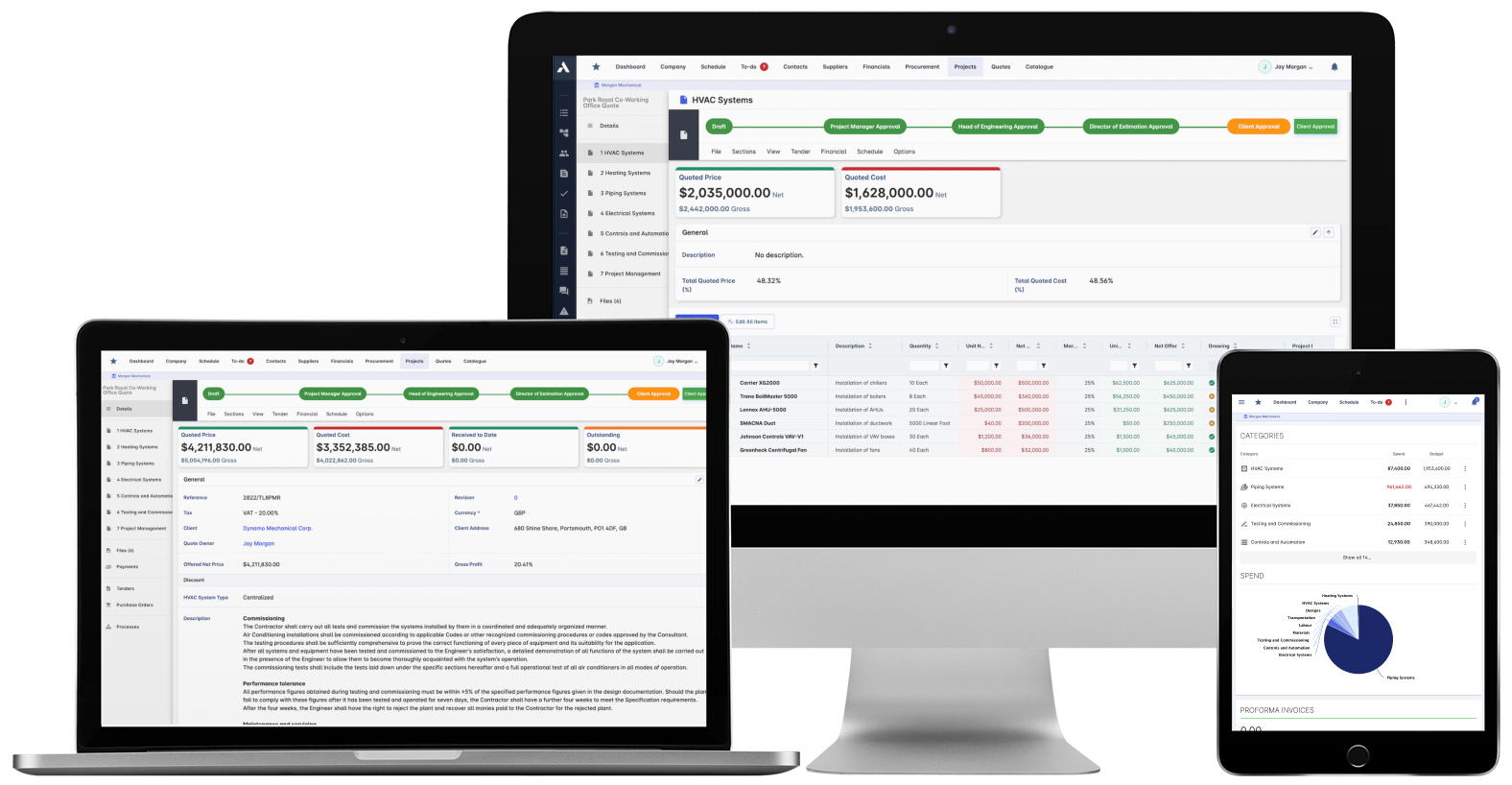
Digital tools have become essential for cost management in modern construction projects. Today, professionals rely on specialized softwares for quantity surveyor workflows to improve estimation accuracy and project coordination.
Several tools are widely used across the construction industry.
1. CostX
CostX is widely recognized for digital quantity takeoffs and estimating. It allows surveyors to extract quantities directly from drawings and BIM models.
The platform is often considered one of the most effective cost planning software for quantity surveyors, especially for large infrastructure projects.
2. PlanSwift
PlanSwift is a takeoff and estimating platform that allows surveyors to measure quantities directly from digital drawings.
It functions as practical measurement software for quantity surveyors, helping professionals calculate materials quickly and accurately.
3. Bluebeam Revu
Bluebeam Revu is commonly used for document management and digital plan reviews. Surveyors use it to measure drawings, annotate plans, and collaborate with project teams.
The software improves communication and supports cost estimation workflows.
4. Autodesk Revit
Revit is a widely used BIM modeling tool. Although primarily used by architects and engineers, quantity surveyors can analyze building models and extract quantities.
Learning Revit is increasingly valuable as professionals pursue BIM training for quantity surveyors to work with digital construction models.
5. Autodesk Navisworks
Navisworks is used for project coordination and model review. It combines models from multiple disciplines and allows teams to evaluate project data in one environment.
For quantity surveyors, the platform helps review design changes and understand potential cost impacts.
These tools help professionals perform digital quantity takeoffs, cost estimation, and project coordination more efficiently.