


What are PMP Certification and BIM Certification?
Both PMP and BIM certifications are valuable credentials for construction professionals, but they serve very different career paths.
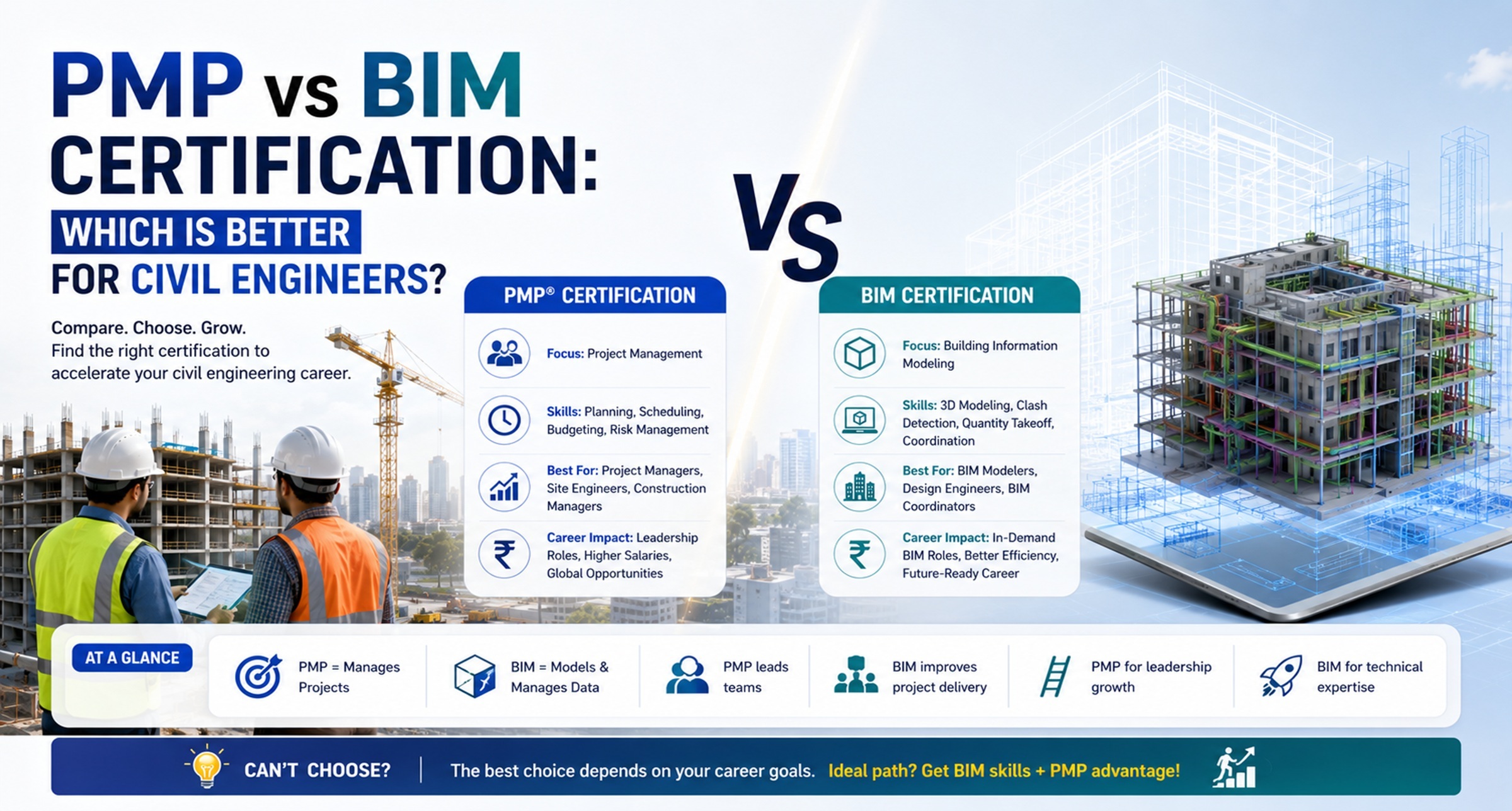
A Project Management Professional (PMP) Certification is a globally recognised project management certification that validates a professional's ability to plan, manage, and deliver projects efficiently. It focuses on areas such as project planning, budgeting, risk management, stakeholder communication, and team leadership. PMP is commonly pursued by professionals aspiring to leadership and project management roles in construction and infrastructure projects.
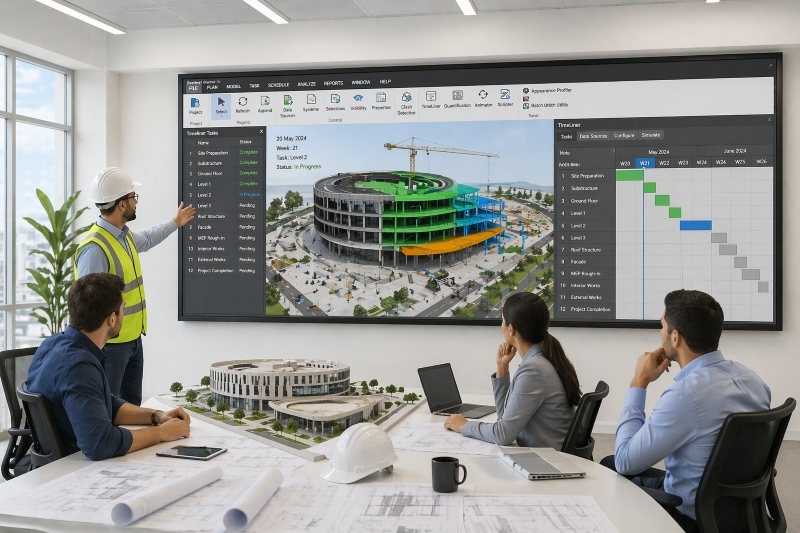
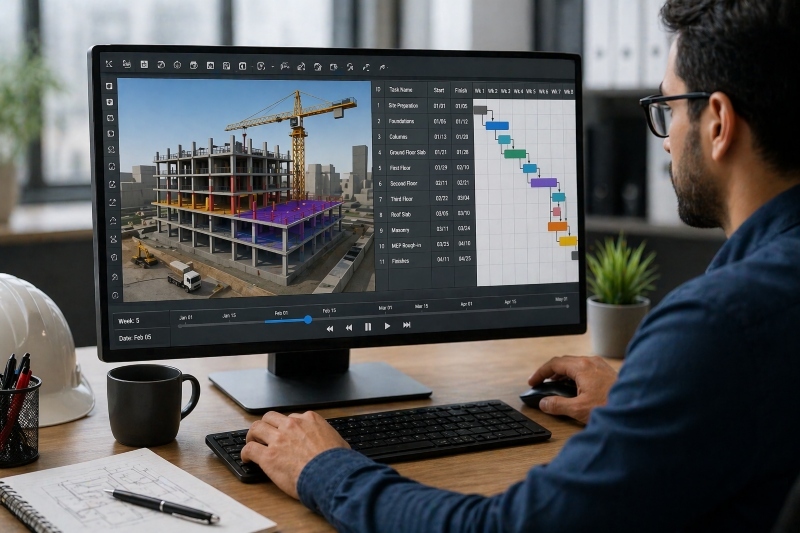
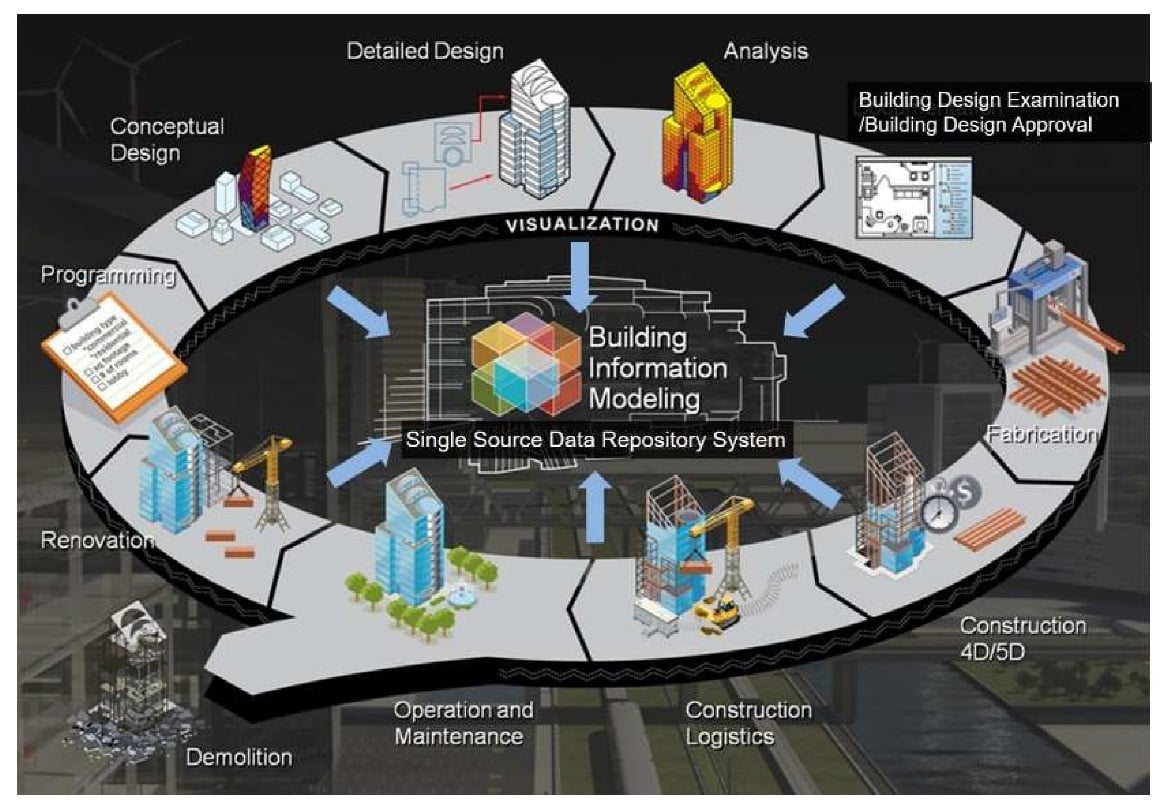
A BIM Certification, on the other hand, focuses on Building Information Modeling and digital construction practices. It equips engineers with skills in BIM workflows, coordination, clash detection, 4D and 5D planning, and industry-standard software. Professionals with a BIM certification often work in roles such as BIM Engineer, BIM Coordinator, BIM Manager, or Digital Construction Specialist.
In simple terms, PMP focuses on managing projects, while BIM focuses on improving project delivery through technology. The choice between the two depends on whether you see your future in construction project management or a specialised BIM career.
What Skills Do You Learn in PMP vs BIM?
While both certifications support successful project delivery, they focus on very different skill sets.
A project management certification like PMP helps professionals develop leadership and management capabilities required to oversee complex projects. Key skills include project planning, scheduling, cost control, risk management, procurement, stakeholder communication, quality assurance, and team coordination. These skills are particularly valuable for engineers looking to transition into management and leadership positions.
A BIM certification, on the other hand, focuses on the technical and collaborative aspects of project delivery. Learners gain expertise in BIM authoring, model coordination, clash detection, construction sequencing, quantity take-offs, data management, and multidisciplinary collaboration. They also learn to use industry-standard BIM tools that support efficient project execution.
As BIM adoption continues to accelerate across the AEC industry, many organisations are also combining digital workflows with management practices through BIM project management, creating demand for professionals who can bridge technology and project delivery.
The table below highlights the key differences in skills that can be gained through each certification:
|
PMP Certification |
BIM Certification |
|
Project planning and scheduling |
BIM modeling and coordination |
|
Risk and stakeholder management |
Clash detection and issue resolution |
|
Budgeting and cost control |
4D construction sequencing |
|
Team leadership and communication |
5D quantity and cost estimation |
|
Procurement and contract management |
Data-rich model management |
|
Quality and performance monitoring |
Multidisciplinary collaboration |
PMP vs BIM: Salary, Roles, and Industry Demand
Both PMP and BIM certifications can lead to rewarding career opportunities in the construction industry, but they lead to different opportunities.
A project management certification like PMP is ideal for professionals aiming for leadership roles such as Project Manager, Construction Manager, or Program Manager. These roles focus on planning, budgeting, stakeholder management, and project delivery.
A BIM certification prepares professionals for technology-driven roles such as BIM Engineer, BIM Coordinator, and BIM Manager. These roles typically involve model coordination, clash detection, digital workflows, and improving project efficiency through BIM processes
|
Factor |
PMP Certification |
BIM Certification |
|
Typical Roles |
Project Manager, Construction Manager |
BIM Engineer, BIM Coordinator, BIM Manager |
|
Focus |
Project leadership |
Digital project delivery |
|
Demand |
Strong across industries |
Rapidly growing in AEC and infrastructure |
While PMP-certified professionals often earn more in senior management positions, the growing adoption of BIM is driving demand for specialists with digital construction expertise. As a result, demand for BIM professionals continues to increase, especially for professionals with strong coordination and project delivery skills.
Which Certifications are Better for Construction Professionals?
There is no single answer that applies to every professional in the PMP vs BIM certification debate. The right choice depends on your career goals.
If you want to lead teams, manage budgets, oversee schedules, and take on senior leadership responsibilities, a project management certification like PMP is a strong choice. It is particularly valuable for professionals aiming for project and construction management roles.
On the other hand, if you want to build expertise in digital construction, coordination, and technology-driven project delivery, a BIM certification offers a more specialised path. As BIM becomes increasingly common across infrastructure and building projects, it can help engineers stay competitive and future-ready.
For civil and structural engineers at the beginning of their careers, a BIM certification often provides more immediate, industry-specific skills. As professionals gain experience and move into leadership positions, they may choose to complement their technical expertise with a construction project management certification such as PMP.
Ultimately, the right certification is the one that aligns with your long-term career objectives, managing projects, delivering them through technology, or eventually combining both skill sets.
How Novatr Can Help You Build High-Growth Careers?
As the construction industry continues its digital transformation, employers are increasingly looking for professionals who can combine technical expertise with collaboration, communication, and project delivery skills. This is where Novatr's BIM certification programs are designed to make a difference.
Through industry-aligned training, learners gain hands-on experience with BIM workflows, model coordination, clash detection, documentation, and project collaboration using leading BIM tools. The curriculum is built around real-world project scenarios, helping engineers develop skills that are directly applicable on the job.
Beyond technical training, Novatr also focuses on professional development through mentorship, portfolio-building, career support, and industry interactions. This helps learners strengthen the communication, teamwork, and problem-solving skills that are essential for growth in modern construction environments.
Whether your goal is to become a BIM Engineer, take on BIM Coordinator roles, or build a long-term BIM career, Novatr’s BIM Professional Program provides the practical knowledge and industry exposure needed to stay competitive in a rapidly evolving AEC industry.