



What is the London Crossrail Project?
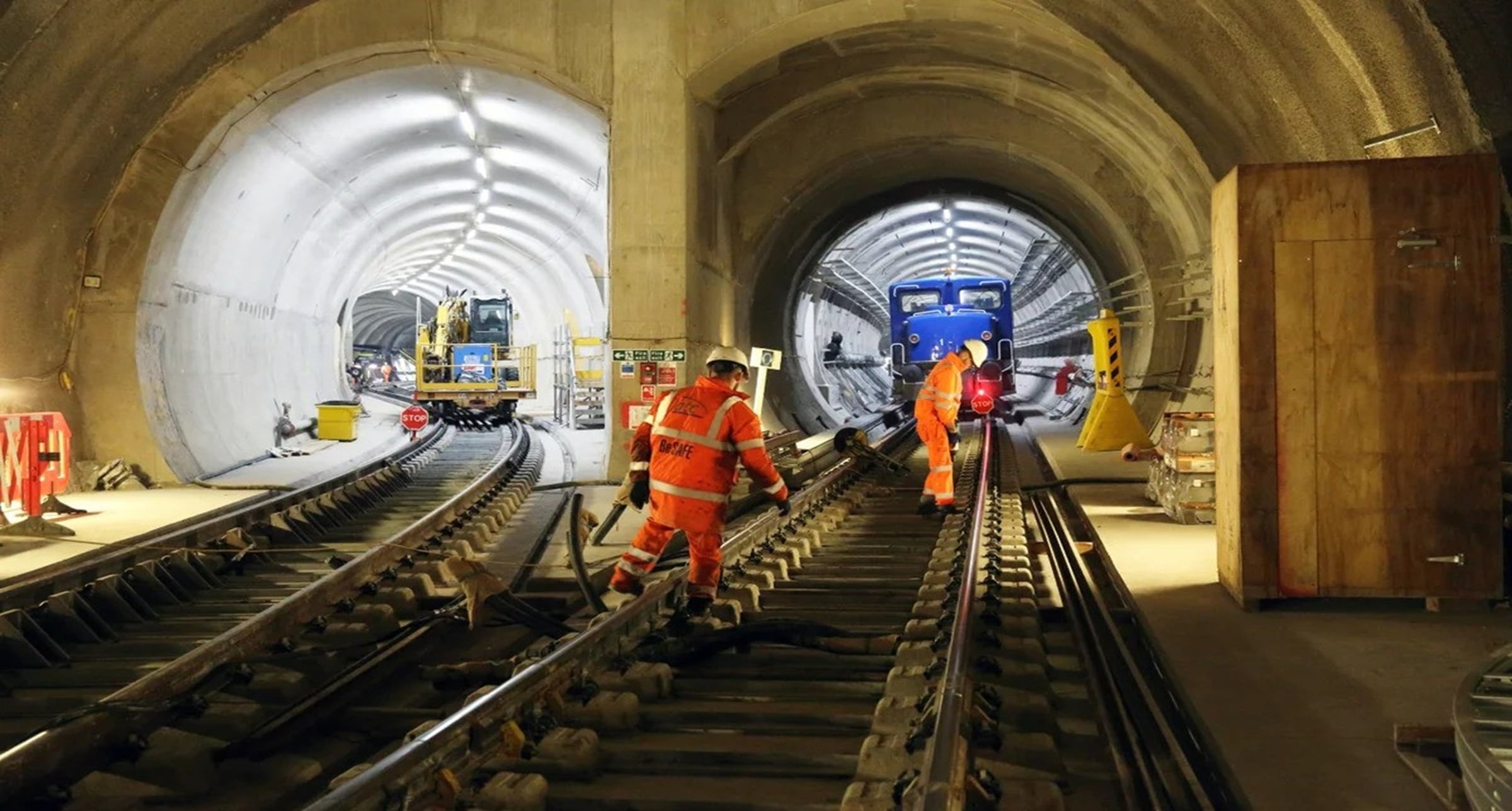
One of Europe's biggest railway infrastructure projects, the London Crossrail project, now called the Elizabeth Line, was created to enhance connectivity throughout London and the surrounding areas. It connects important locations from Reading and Heathrow in the west to Shenfield and Abbey Wood in the east across a distance of more than 100 kilometers. This project is unique due to its sophisticated utilization of digital technologies as well as its size.
In order to manage complicated data, coordinate various stakeholders, and ensure efficient delivery, the London Crossrail Project adopted BIM. It offered a centralized digital environment that enhanced decision-making throughout the project lifetime, decreased risks, and increased accuracy.
Why is the Crossrail Project often Discussed in BIM Conversations?
The Crossrail project is frequently referenced in BIM discussions because it demonstrates, at scale, how digital construction can transform complex infrastructure delivery.
-
Clear Demonstration of the Benefits of BIM in Construction
Crossrail showed how BIM can go beyond design visualisation. It improved coordination between disciplines, reduced costly clashes, and supported better planning. This is one of the most practical examples of the benefits of BIM in construction, where digital models directly influenced real-world efficiency.
-
Strong use of BIM Application in Construction Across the Lifecycle
From early design stages to asset management, BIM was used consistently throughout the project. The BIM application in construction was not limited to one phase, it enabled teams to manage data, track progress, and make informed decisions at every stage.
-
A Benchmark for BIM in Railway Project Delivery
Infrastructure projects, especially railways, involve multiple stakeholders, tight timelines, and high complexity. Crossrail became a benchmark for BIM in railway project environments, showing how a Common Data Environment (CDE) can bring clarity and alignment across teams.
-
Improved Collaboration at Scale
With thousands of professionals involved, Building Information Modeling created a shared platform where architects, engineers, and contractors could work together more effectively. This reduced miscommunication and ensured everyone worked with up-to-date information.
-
Real-World Proof of Digital Transformation in AEC
Rather than theory, Crossrail offers a working model of how BIM can be implemented successfully. It provides lessons that firms today can adapt to improve productivity, reduce risk, and deliver projects more efficiently.
What Challenges did Large-Scale Infrastructure Teams Face?
Delivering a project as vast as Crossrail brought several challenges, even with advanced digital tools in place. Here are the key issues teams faced while implementing BIM technology in construction and managing the BIM workflows:
- Managing Large Volumes of Data: Crossrail involved over 10,000 professionals and generated millions of digital records across its lifecycle. Handling this scale of information made it difficult to ensure consistency, accuracy, and real-time access across teams.
- Inconsistent BIM Maturity Across Teams: With hundreds of contractors and suppliers involved, not every organisation had the same level of BIM expertise. This created gaps in adoption and slowed down otherwise efficient BIM workflows.
- Coordination Across Multiple Stakeholders: The project spanned over 100 km with more than 40 construction sites active at peak times. Aligning teams across locations required constant communication and strict coordination protocols.
- System Integration and Interoperability Issues: Different stakeholders used different software platforms, making integration complex. Ensuring smooth data exchange was a key challenge in fully leveraging BIM technology in construction.
- Maintaining Data Accuracy Over Time: As designs evolved, keeping digital models aligned with on-site conditions required continuous updates. Even small inconsistencies could lead to delays or rework.

Lessons Architects and Engineers can Learn from London Crossrail Project
For architects and engineers, the London Crossrail project is more than a case study, but a guide to handling complexity through smarter digital practices. Here are some key learnings:
-
Start with a Clear Digital Strategy from Day One
One of the big lessons from Crossrail is that you have to have a clear BIM strategy from the beginning. BIM was not an add-on but was integrated from the beginning of the project. This ensured that everyone involved was working towards a common goal which reduced confusion later on in the process. It also outlines the long-term benefits of BIM in construction, especially when planning and execution are aligned from the start.
-
Prioritise Collaboration
Crossrail proved that large projects don’t operate in a vacuum. Architects, engineers and contractors work in a common environment of free flowing data. Teams had access to the same information thanks to a well-run Common Data Environment (CDE), improving the coordination and reducing the errors. For the professionals, it’s a reminder that collaboration is as important as technical skill.
-
Focus on Data and Not Only Models
While 3D models are valuable, the real strength of BIM lies in the data behind them. Crossrail teams relied heavily on structured data to make decisions, track progress, and manage assets. This approach shows how BIM application in construction goes beyond visualisation and becomes a decision-making tool throughout the project lifecycle.
-
Invest in Skills and Training
Not every team involved in Crossrail started with the same level of BIM expertise. Continuous training and upskilling were essential to ensure consistency across the project. For individuals, this highlights the growing importance of building a career in BIM, as demand for digitally skilled professionals continues to rise across the AEC industry.
-
Standardisation is Key to Scaling
Crossrail involved many contractors and consultants and relied on tight standards for things like naming conventions, data formats and workflows. This reduced confusion and made it easier to handle information at scale. It's a good lesson for companies that want to use BIM on large or complex projects.
-
Expect Challenges and Adapt Quickly
Crossrail was successful but had issues with coordination, data management and system integration. The difference was being able to change processes and improve workflows over time. This is a reminder to today’s professionals that flexibility is the key when working with digital tools that are constantly evolving.


.png)
