




What Does a Quantity Surveyor Do?

A quantity surveyor manages the financial and contractual aspects of construction projects. Their main objective is to ensure that projects are delivered within budget while maintaining quality and compliance with specifications.
Typical responsibilities include preparing cost estimates, conducting quantity takeoffs, managing procurement processes, and monitoring project expenditures during construction. Quantity surveyors also handle contract administration and financial risk management.
Traditionally, these tasks relied on drawings, spreadsheets, and manual calculations. However, the construction industry is increasingly shifting toward digital models. This shift is influencing quantity surveyor and BIM workflows, as surveyors now work with model-based data rather than only traditional drawings.
With BIM-enabled projects, quantity surveyors can access detailed model information that helps improve the accuracy of quantity takeoffs and cost analysis. This transition explains why digital skills are becoming increasingly important in the profession.
The BIM Shift in Quantity Surveying
BIM has transformed how project information is created and shared. Instead of separate documents and drawings, BIM provides a centralized model that contains detailed information about building components.
This transformation affects BIM and the role of the quantity surveyor because surveyors can now extract quantities directly from digital models. BIM models include data such as materials, dimensions, and specifications, which helps improve cost estimation accuracy.
In traditional workflows, design changes often required manual recalculations. With BIM, updates in the model automatically reflect across project data, allowing surveyors to evaluate cost impacts more efficiently.
The growing adoption of BIM has also created new career opportunities. Many organizations now advertise BIM quantity surveyor jobs, which require professionals who understand both cost management and digital modeling workflows.
These roles often involve collaborating with architects, engineers, and contractors to analyze project models and manage cost information. As digital construction continues to expand, BIM knowledge is becoming an important skill for surveyors.
Why BIM Training Is Useful For Quantity Surveyors
Digital construction methods require professionals to understand new workflows and tools. Learning BIM helps quantity surveyors analyze models, extract quantities, and collaborate more effectively with project teams.
The benefits of bim for quantity surveyors go beyond software knowledge. BIM skills help professionals contribute more effectively to project planning and decision-making.
The following points explain why BIM training for quantity surveyors is becoming increasingly valuable.
1. Improved Quantity Takeoffs
BIM models contain detailed information about building components. Surveyors can extract quantities directly from the model instead of measuring drawings manually. This process improves accuracy and reduces the time required for cost estimation.
2. Better Cost Planning
BIM allows cost information to be connected to building elements. When design changes occur, surveyors can quickly evaluate how those changes affect the project budget. This improves financial planning and decision-making.
3. Stronger Collaboration
Construction projects involve multiple stakeholders working together. BIM platforms allow teams to collaborate through a shared model. Learning BIM helps quantity surveyors communicate more effectively with designers and engineers.
4. Expanded Career Opportunities
The demand for professionals with digital construction skills continues to grow. Many companies now recruit professionals for BIM jobs quantity surveyor roles that combine BIM knowledge with cost management expertise.
5. Improved Project Efficiency
BIM organizes project data within a centralized model, allowing teams to track quantities, materials, and costs more efficiently. These improvements represent some of the key benefits of bim for quantity surveyors, particularly on large infrastructure projects.
Developing BIM skills through structured learning programs helps professionals adapt to these evolving project workflows.
Top BIM Software Tools Every Quantity Surveyor Should Learn
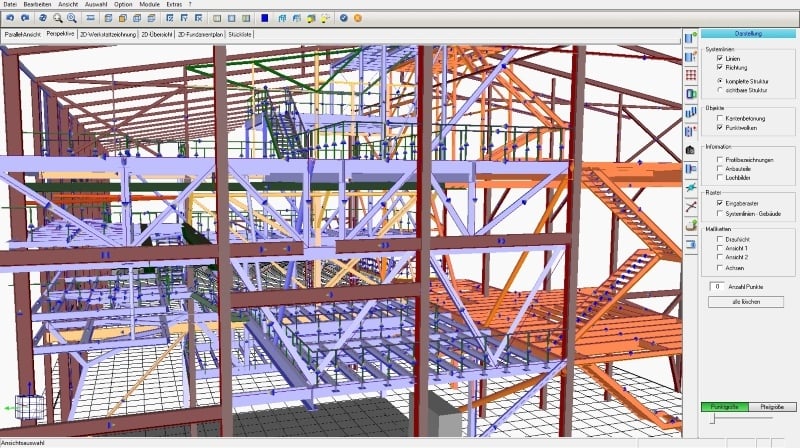
Understanding BIM tools is an important step for surveyors working with digital construction projects. These platforms help professionals analyze models, extract quantities, and manage project data.
1. Autodesk Revit
Revit is widely used for creating and managing building models. Architects and engineers use it to develop detailed 3D designs that include component information. Quantity surveyors can review these models to understand design details and extract quantities, making it valuable for BIM for quantity surveyors workflows.
2. Navisworks
Navisworks is used for model coordination and project visualization. It allows teams to combine models from multiple disciplines and identify potential conflicts. Quantity surveyors use Navisworks to review designs and understand how changes may affect project costs.
3. CostX
CostX is a BIM-enabled estimating software designed for quantity takeoffs and cost planning. It allows surveyors to extract quantities directly from digital models and link them to pricing databases. This makes it particularly useful for professionals pursuing bim quantity surveyor jobs.
4. Autodesk BIM 360
BIM 360 is a cloud-based platform used for project collaboration and information management. It helps teams share models, manage project documents, and track updates throughout construction.
Learning these tools helps professionals integrate quantity surveyor and bim workflows more effectively and work within digital construction environments.
Where To Get BIM Training?

Professionals interested in developing BIM skills can explore specialized training programs designed for construction professionals.
One such option is the BIM professional Course for Civil Engineers provided by Novatr, a project-based program that prepares learners to plan, design, and manage construction projects using 12+ industry software and BIM plugins, including Autodesk Revit, Navisworks, Construction Cloud, DiRoots.One, pyRevit, EF-Tools, and ProSheets.
Here’s what participants gain:
- End-to-end understanding of BIM workflows covering modeling, estimation, coordination, sequencing, and documentation
- Hands-on training aligned with ISO 19650 standards using real residential and commercial projects
- Globally recognized certifications including Novatr Course Certificate, Autodesk User Certification, and NSDC Skill Certificate
Learners can also choose specializations such as Dynamo automation, 4D/5D BIM workflows, Tekla for RCC modeling, Civil 3D for infrastructure, and BIM strategy with Plannerly, helping professionals build practical digital construction expertise.
Structured training programs like this can help professionals develop digital construction skills and understand modern project workflows.
Related Read: 5 Top Software Courses For Quantity Surveyors in USA!