


What Are Smart MEP Systems And How Do IoT-Enabled Devices Enhance Them?
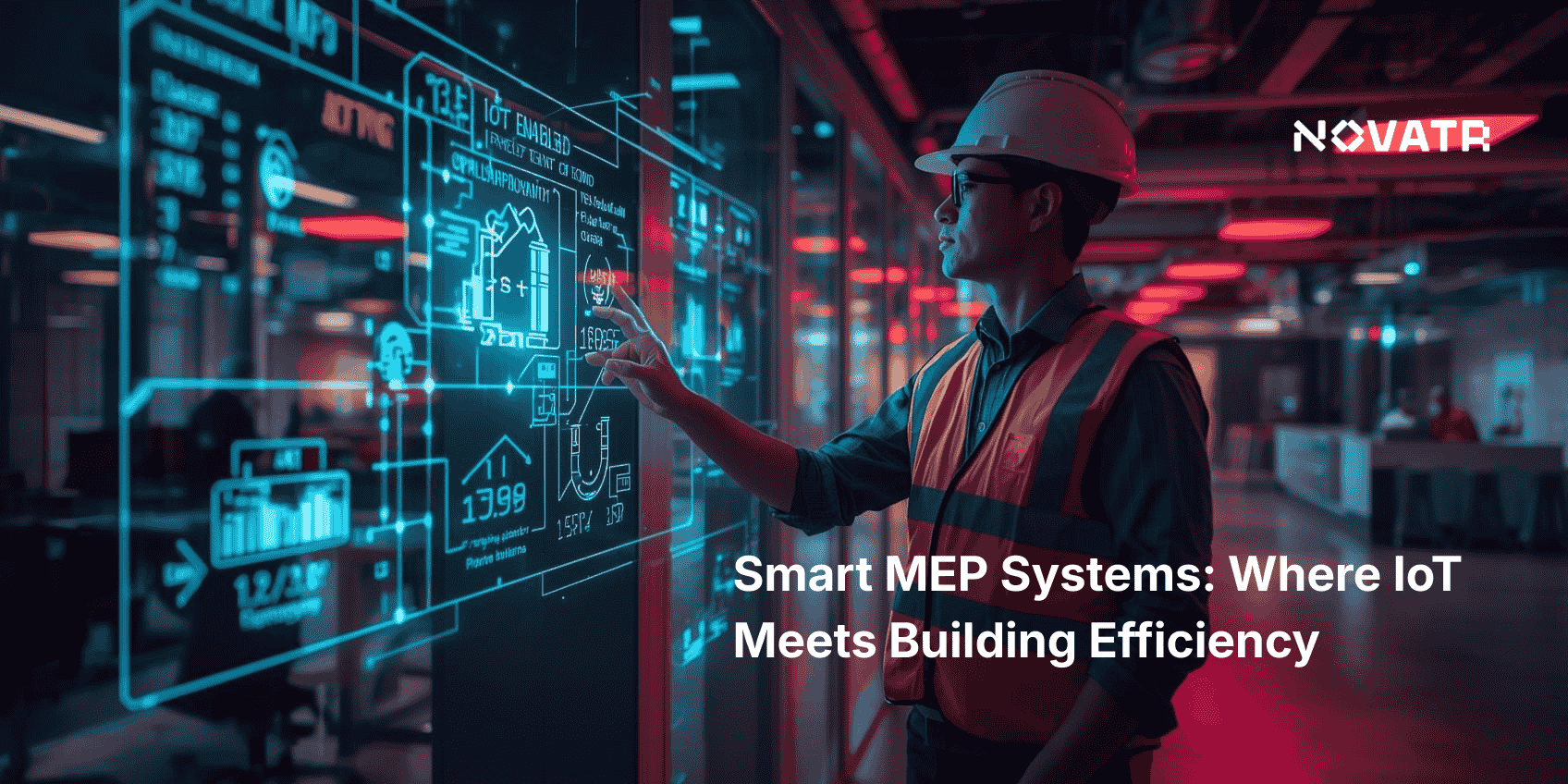
Smart MEP systems are integrated setups that unify a building’s mechanical, electrical, and plumbing components into a single operational framework. They connect HVAC, lighting, pumps, and other building infrastructure through connected building technology, creating a cohesive system that links all essential services for centralized monitoring and streamlined control.
Here’s how IoT devices elevate the capabilities of smart MEP systems:
-
IoT devices continuously collect data from every building system, giving facility managers accurate insights into performance trends.
-
They provide real-time monitoring of energy usage, helping identify inefficiencies and opportunities for cost savings.
-
Smart sensors for MEP detect deviations or unusual patterns in equipment operation, allowing faster problem detection and resolution.
-
IoT-enabled platforms track the health of all systems and send alerts for early signs of malfunctions or failures.
-
Integration with predictive maintenance systems enables scheduling maintenance in advance, reducing downtime and preventing unexpected equipment failures.
How Do Smart Sensors Improve Monitoring, Diagnostics, and System Performance?
Smart sensors support closer visibility into how building systems operate over time. By continuously capturing accurate system data, they strengthen monitoring accuracy, improve fault identification, and support performance tracking. This structured data flow forms a core element of MEP automation, helping systems stay aligned with operational demands.
Here’s how smart sensors enhance monitoring, diagnostics, and system performance:
-
Sensors deliver continuous operational data, enabling early visibility into abnormal system behavior before issues escalate.
-
They measure equipment energy usage patterns to support building energy efficiency planning and control.
-
Smart sensors detect faults in mechanical and electrical components, enabling quicker and more accurate diagnostics.
-
Integration with analytics platforms enables MEP performance optimization by identifying inefficiencies across connected systems.
-
Sensors support automated system adjustments that maintain stable performance under changing operating conditions.
How Does IoT Integration Help Optimize Energy Use And Reduce Operational Costs?
IoT integration connects building systems through continuous data exchange that supports informed operational oversight. By linking equipment performance, usage patterns, and system conditions, smart MEP systems and IoT integration create a unified structure where energy consumption and cost-related inefficiencies can be observed, evaluated, and managed with clarity.
Here’s how IoT integration helps optimize energy use and reduce operational costs:
-
IoT platforms provide real-time visibility into energy consumption across interconnected building systems.
-
Data-driven insights support precise control of equipment operation based on actual demand rather than fixed schedules.
-
IoT-enabled HVAC lighting and pump systems adjust output dynamically, reducing excess energy use during low-demand periods.
-
Cost-impact analysis highlights where inefficient system behavior contributes directly to higher operating expenses.
-
System-wide analysis demonstrates how IoT enhances MEP system performance through coordinated energy management.
Did You Know?
The global smart buildings market is projected to reach USD 109.33 billion in 2026, driven by widespread adoption of connected systems that improve energy efficiency and operational performance.
Which Connected MEP Components Benefit Most From IoT?
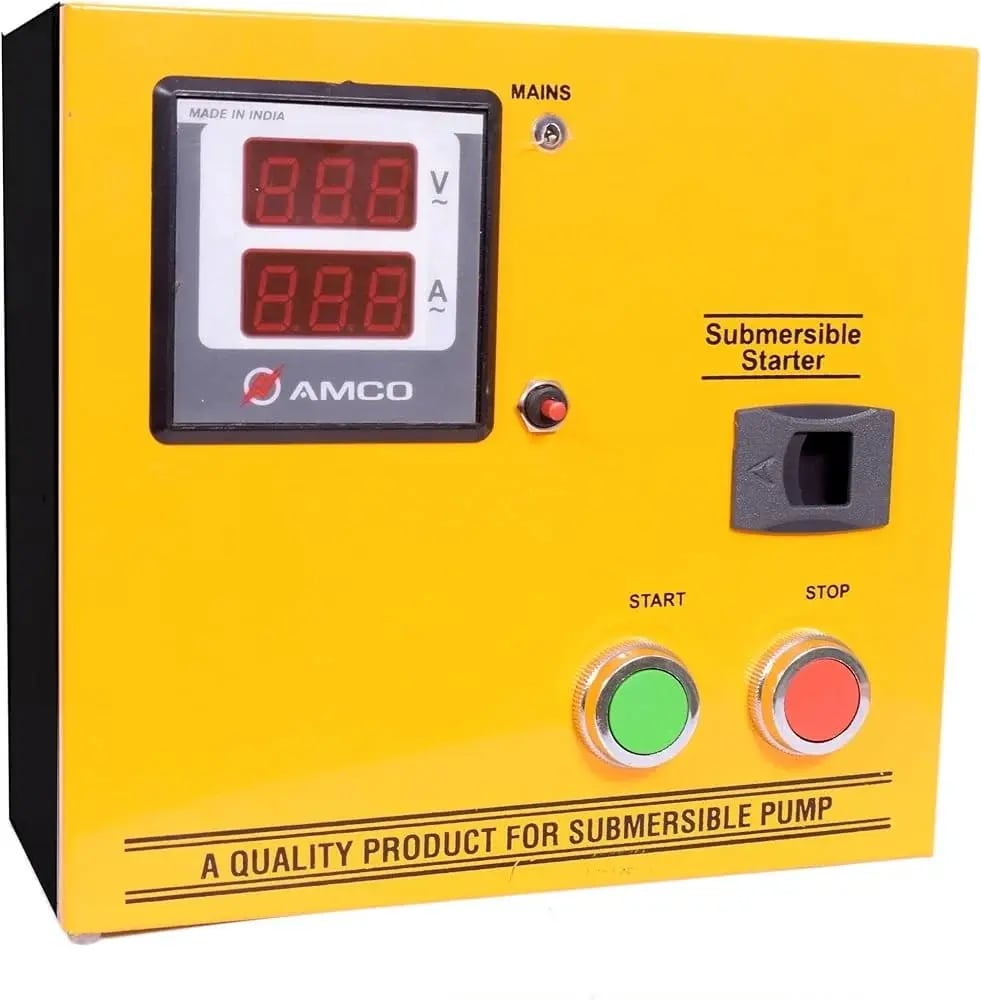
Connected MEP components benefit from IoT in different ways based on how often they run and how closely they affect building operations. IoT connectivity helps highlight where system data brings the most value, especially when optimizing energy use with connected MEP components that support everyday comfort and efficiency.
Here are the connected MEP components that benefit most from IoT:
-
HVAC systems benefit from continuous temperature and airflow tracking, helping maintain stable indoor conditions.
-
Lighting systems improve control by adjusting brightness and schedules based on how spaces are used.
-
Pump systems perform better when flow and pressure data is monitored to prevent inefficient operation.
-
Electrical panels gain clearer insight into power usage, helping manage load distribution across building areas.
-
Central control platforms help coordinate all connected systems within structured MEP engineering workflows.
How Do Smart MEP Systems Support Predictive Maintenance and Uptime Reliability?
Smart MEP systems use continuous system data to shift maintenance from reactive tasks to planned actions. By observing operating patterns and performance changes, these systems help teams stay informed and prepared. This becomes more effective when predictive maintenance for MEP using IoT sensors is embedded into daily operational workflows.
Here’s how smart MEP systems support predictive maintenance and uptime reliability:
-
System data is analyzed continuously to identify early signs of component stress or abnormal operation.
-
Maintenance needs are flagged before failures occur, reducing unplanned service interruptions.
-
Real-time system monitoring in MEP operations helps teams respond quickly to emerging performance issues.
-
Historical performance trends guide maintenance timing based on actual equipment condition.
-
Centralized alerts within MEP software help prioritize tasks across multiple systems efficiently.
Which Platforms And Tools Enable Connected, Data-Driven MEP Operations?
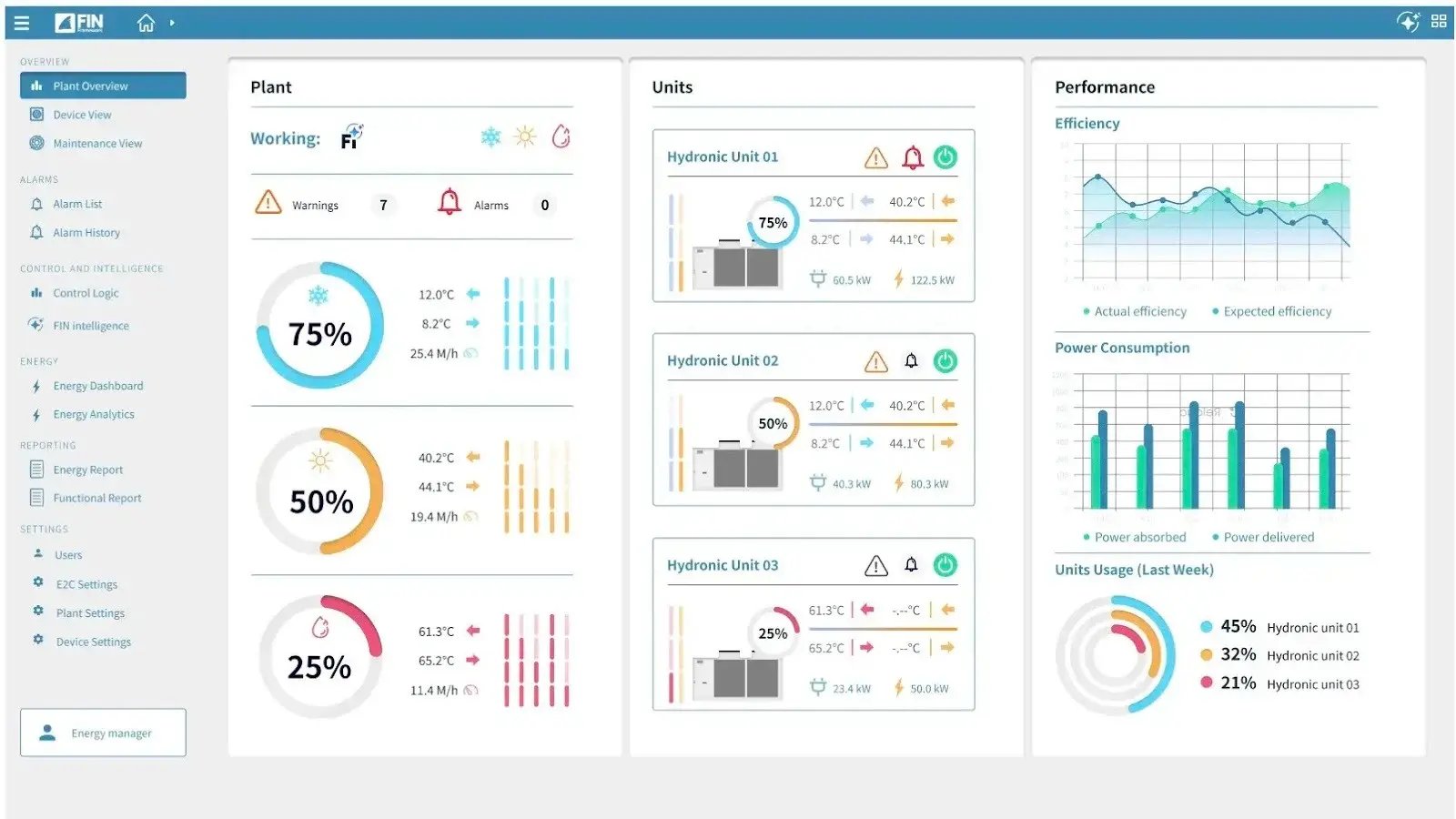
Modern MEP operations depend on digital environments that connect system data, analytics, and controls into a single operational view. When the best IoT platforms for connected MEP workflows are applied across building systems, teams gain better visibility, faster insights, and more coordinated control that supports informed, data-driven operational decisions.
Here are key platforms and tools that enable connected, data-driven MEP operations:
-
Schneider Electric EcoStruxure: A building management platform that integrates HVAC, power, and automation data for centralized monitoring and control.
-
PTC ThingWorx: An industrial IoT platform that supports real-time data collection, analytics, and application development for connected systems.
-
Ignition SCADA: A system platform used for data acquisition, visualization, and system integration across multiple building and industrial assets.
-
Delta Controls enteliWEB: A web-based building management interface that centralizes system data and enables remote monitoring and operational control.
-
ABB Ability: A digital asset management platform that gathers operational data to support performance tracking and maintenance planning.
.png)