


What Specializations Are Currently in Highest Demand Within MEP Engineering for 2026?
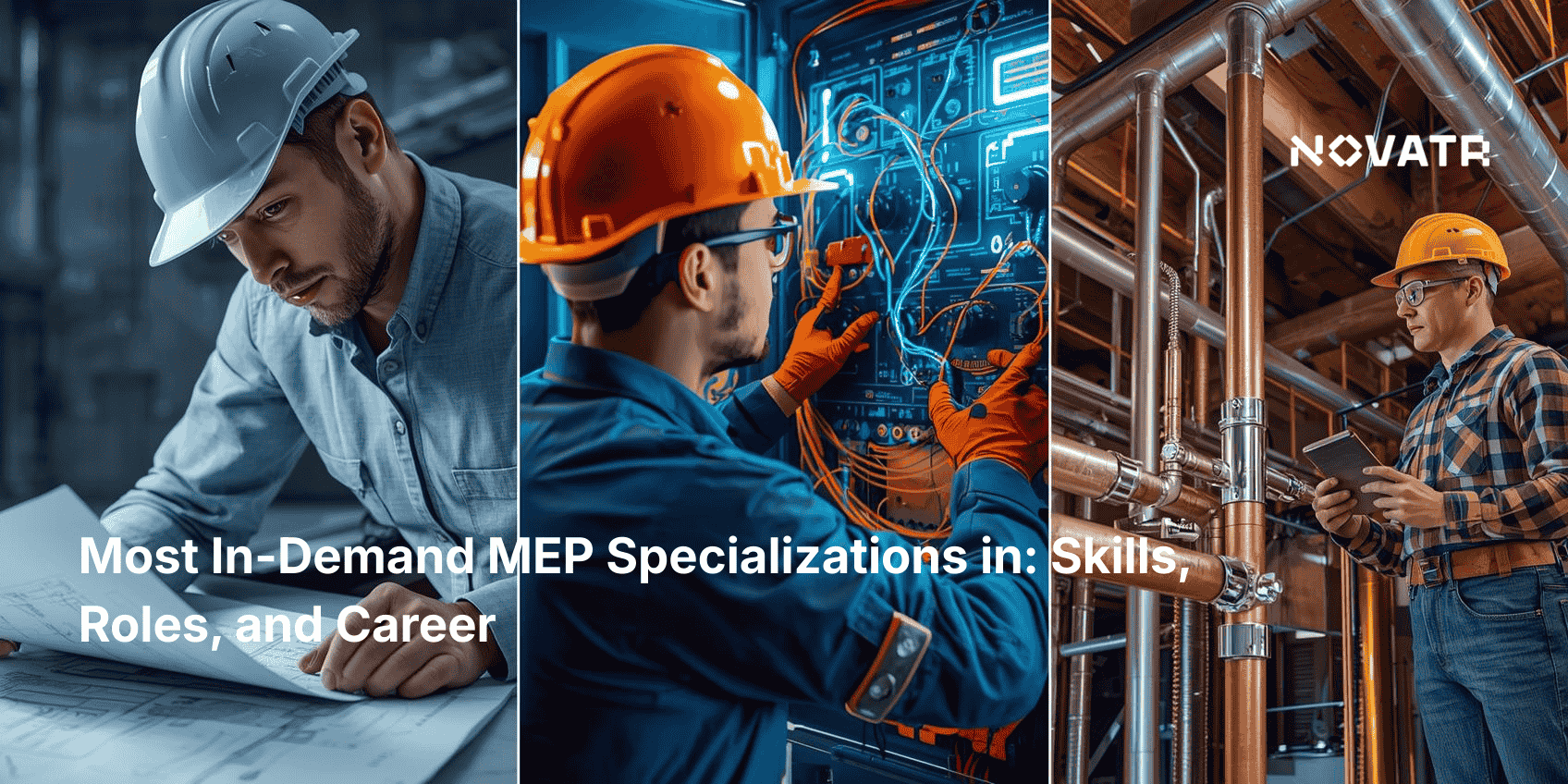
The present MEP specializations demand indicates significant developments in building design, operation, and maintenance. Project delivery is now focused on digital workflows, sustainability goals, and infrastructure resilience.
Industry demand is structured around several focus areas:
-
Digital coordination and BIM-based workflows
-
High-performance mechanical and electrical systems
-
Data-driven building operations
-
Sustainability and net-zero strategies
-
Specialized environments and safety systems
These focus areas are shaping the top MEP engineering skills needed in 2026 and influencing hiring patterns across commercial, industrial, and infrastructure projects.
Key specializations currently driving demand include:
-
BIM and digital twin roles in modern MEP careers
-
Data centre MEP engineering professionals
-
Smart automation specialists for smart building systems
-
Engineers working with IoT in MEP design
-
Sustainability experts using sustainable building technologies
-
Life-safety and systems reliability specialists
Together, these roles form the foundation of emerging engineering disciplines within modern mep engineering.
Why Are Data-Centre MEP Specialists Commanding Attention and Premium Pay?
The rapid expansion of cloud computing, artificial intelligence, and digital services has made data centre MEP engineering one of the most valuable specializations in the industry.
Data centres operate round the clock and they need constant cooling, distribution of power, fire protection and backup systems. Any hindrance could lead to the wastage of money and time. This high-risk environment explains why data centre MEP specialists are highly paid.
Their duties normally involved:
-
Creating backup HVAC and cooling.
-
Maintaining backup power and UPS.
-
Thermal monitoring and thermal controls.
-
Ensuring compliance with safety and reliability standards
-
Planning of maintenance and operation continuity.
Data centres unlike other types of buildings that are used in the traditional commercial fraternity require constant performance monitoring. The engineers need to know the interaction of electrical loads, cooling capacity and airflow due to varying conditions.
Moreover, such specialists usually collaborate with global standards and the big operators and it makes them even more valuable in the market.
As digital infrastructure continues expanding, this expertise remains a cornerstone of career opportunities in advanced MEP specializations.
How Is Smart Building and IoT Integration Driving Demand for HVAC and Controls Experts?

Smart buildings are built on networks that constantly receive, process and act on the operational data. This transformation has increased demand for professionals working with smart building systems and IoT in MEP design.
Modern buildings integrate sensors, automation platforms, and analytics tools to manage:
-
Temperature and humidity
-
Lighting and occupancy
-
Air quality and ventilation
-
Energy consumption
-
Equipment performance
This shift explains the rising demand for HVAC and building controls engineers.
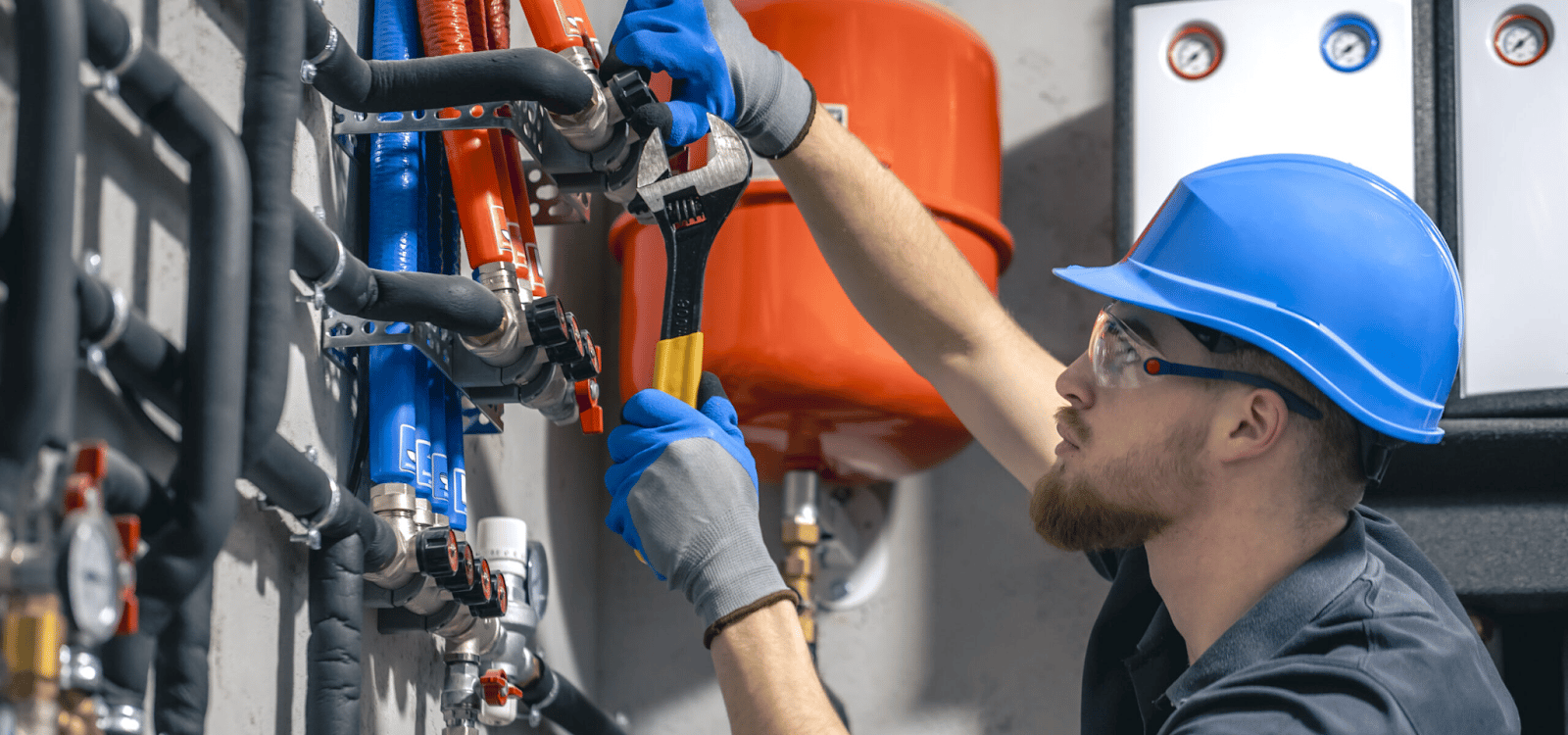
These experts create and administer systems that interface mechanical equipment and computer-controlling platforms. Their work makes HVAC systems have an efficient operation and respond to the real-time conditions.
Key competencies include:
-
Building management systems configuration
-
Control logic development
-
Sensor integration
-
Performance monitoring
-
Digital security awareness
This specialization supports MEP roles driving smart building and IoT integration and reflects how smart buildings are reshaping MEP engineering roles.
As cities pursue intelligent infrastructure, these skills are becoming central to long-term professional development.
Why Are Sustainability, Energy-Modelling, and Net-Zero Design Experts Needed Now More Than Ever?
Sustainability targets and climate commitments have reshaped construction priorities. Governments, investors, and building owners now expect projects to meet strict environmental standards. This has increased the importance of sustainability and energy modelling in MEP.
Specialists in this area focus on:
-
Energy simulation and forecasting
-
Renewable system integration
-
Low-carbon HVAC design
-
Water conservation systems
-
Lifecycle performance analysis
Engineers working with sustainable building technologies help organisations reduce operating costs while meeting regulatory requirements. These professionals contribute directly to buildings aligned with MEP engineers for net-zero and green building projects.
Energy modelling allows designers to test multiple scenarios before construction begins. This reduces uncertainty and improves long-term efficiency.
As climate policies expand, sustainability expertise remains one of the most stable areas within in-demand MEP skills.
What Role Do Fire-Protection, Clean-Room, and Systems Reliability Specialists Play in Emerging Markets?
Emerging sectors such as pharmaceuticals, semiconductor manufacturing, healthcare, and biotechnology require carefully controlled environments.
These industries depend on engineers who specialise in:
-
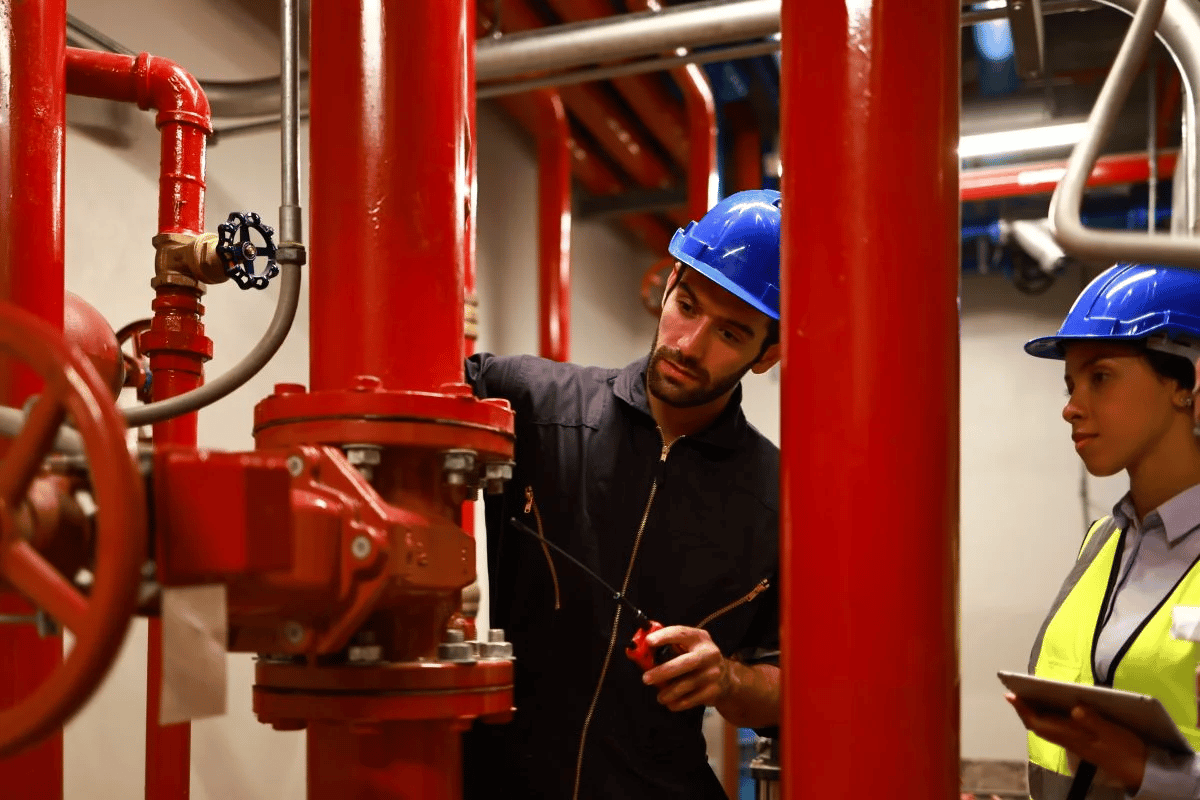
Fire suppression and smoke management
-
Clean-room airflow control
-
Contamination prevention
-
Pressure zoning
-
Emergency power systems
Fire-protection engineers ensure compliance with life-safety regulations, especially in high-occupancy and high-risk facilities. Systems reliability professionals manage backup power, medical gas systems, and emergency infrastructure.
Together, these roles support expanding global markets and represent strong career opportunities in advanced MEP specializations. As advanced manufacturing and healthcare investment grow, demand for these skills continues to rise within mep engineering.

.png)