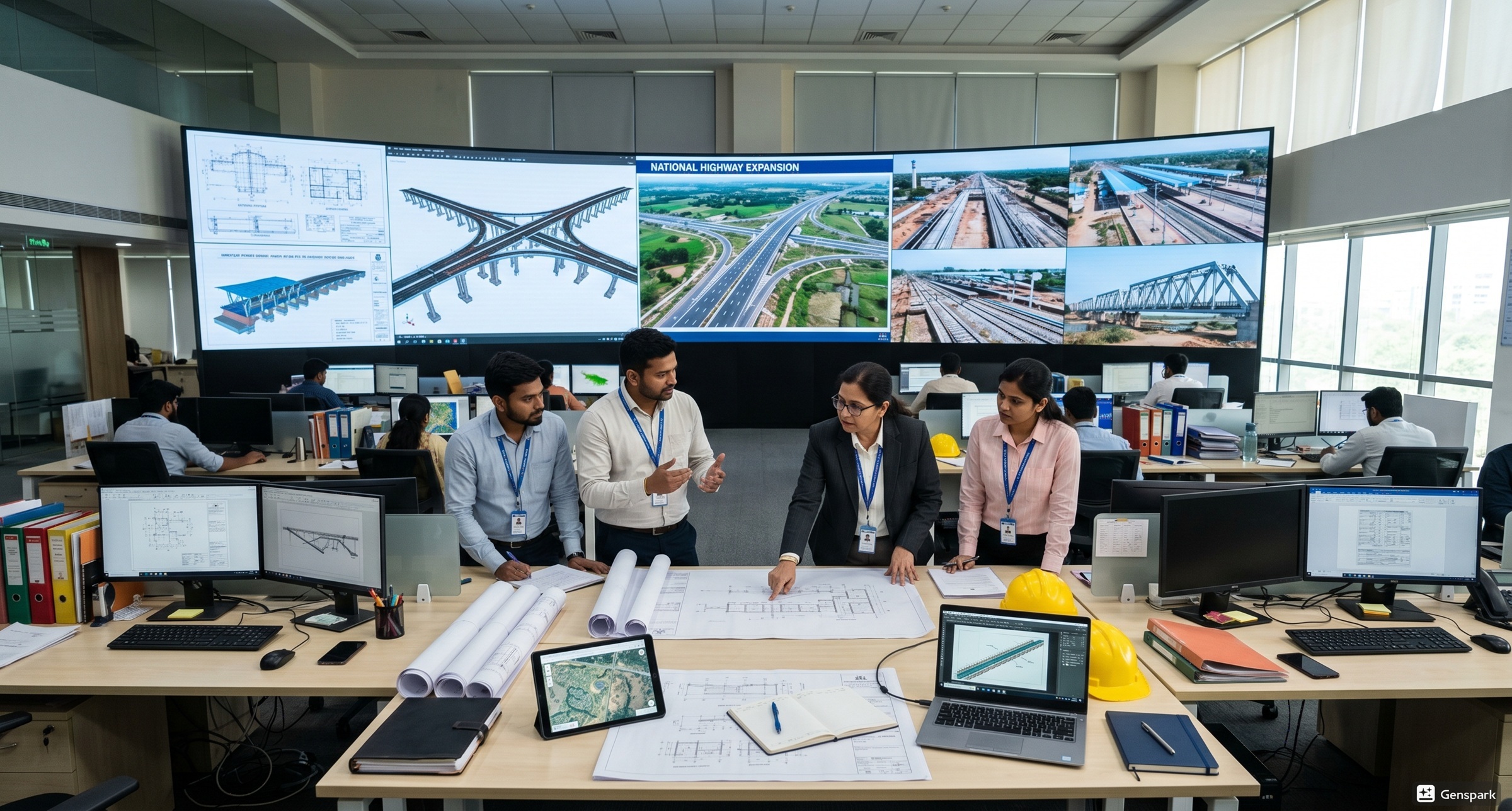


What Does a Future-Ready Career Actually Mean?
A future-ready career is one that will continue to have value as technology evolves the industry. Companies are no longer looking for engineers who can check concrete mixes or read paper blueprints. They require professionals that know how digital data moves through a project.
There are several key advantages to selecting a forward-looking path:
- Job Security: Tech-driven jobs are less susceptible to market shifts due to digital planning that minimizes project waste and costly mistakes.
- Better Pay: Professions that have tech-specific expertise make more money than those working at entry-level sites.
- Global Opportunities: International construction standards are consistent, and digital skills acquired today are relevant for projects all over the world.
Which Emerging Roles are Shaping the Future of Civil Engineering?
Today, new technologies are providing civil engineers with new alternative career paths for civil engineers that were not available 10 years ago. These roles are all about digital coordination, data accuracy and virtual testing before the real ground breaking occurs.
If you're looking to break away from the norm in site supervision, consider these specialized BIM careers:
- BIM Coordinator: Coordinates the digital 3D models of different teams, ensuring that there are no clashes between structural and architectural designs.
- BIM Manager: Manages the information strategy of a project, establishes data standards, and collaborates with the cloud with all departments.
- BIM Automation Specialist: A very technical position that involves coding repetitive drafting and data entry tasks.
Why are Digital Construction Skills Becoming Important?
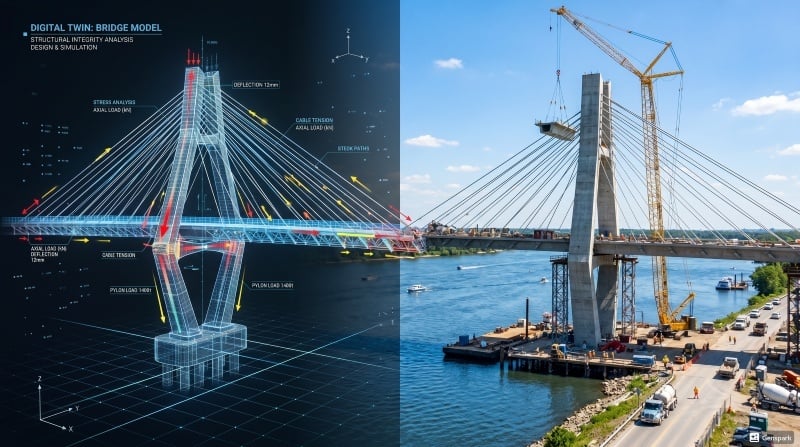
In traditional construction, there are often delays and misunderstandings in the process of design and construction, which is a problem that needs to be addressed. Digital skills solve these issues by providing an online, single, accurate source of project truth.
These skills change your career path by enabling you to offer:
- Enhanced Data Control: Manage cloud databases, monitor design changes and maintain accurate material quantities.
- Faster BIM Career Growth: Engineers who learn to work with digital workflows advance to managerial positions sooner than those working on site.
- Improved Team Coordination: Work seamlessly with architects, mechanical engineers and clients within a common digital space.
Can Traditional Civil Engineering Roles Evolve with Technology?
The jobs that are disappearing are not the traditional engineering roles; they are roles that are changing in fundamental ways. The days of only being able to use pen and paper for calculation and basic 2D drawings are over, and it is no longer possible for a standard site engineer or structural designer to compete.
Current positions are adjusting to the digital transformation in the following ways:
- Smart Site Supervision: Project managers are on site with tablets, drone data and live 3D models to monitor the daily construction progress.
- Automated Structural Design: Smart software is used to perform hundreds of stress simulations in minutes, as opposed to calculating each beam individually by a structural engineer.
- Digital Quantity Surveying: Estimators can now calculate exact quantities of materials automatically and with linked digital models, thereby minimizing human calculation errors.
What Should Students and Freshers Learn to Stay Relevant?
 Image: AI Generated
Graduates need to think outside the box of university textbooks to find the best career path for civil engineer jobs today. It is important to learn a balance of fundamental software skills and global data handling protocols.
Prioritize technical training in these key areas:
- Master the process of creating data-rich 3D models with exact material information, costs and time schedules (BIM Skills).
- Engineering Software for Beginners: Learn basic clash detection and 3D modeling using software such as Autodesk Revit and Navisworks.
- Software Skills for Civil Engineers: Use visual programming tools, such as Dynamo, to automate complex layouts and easily work with large design data sets.
- International Standards: Study framework rules such as ISO 19650 – learn how to organise project files to meet industry expectations around the world.