


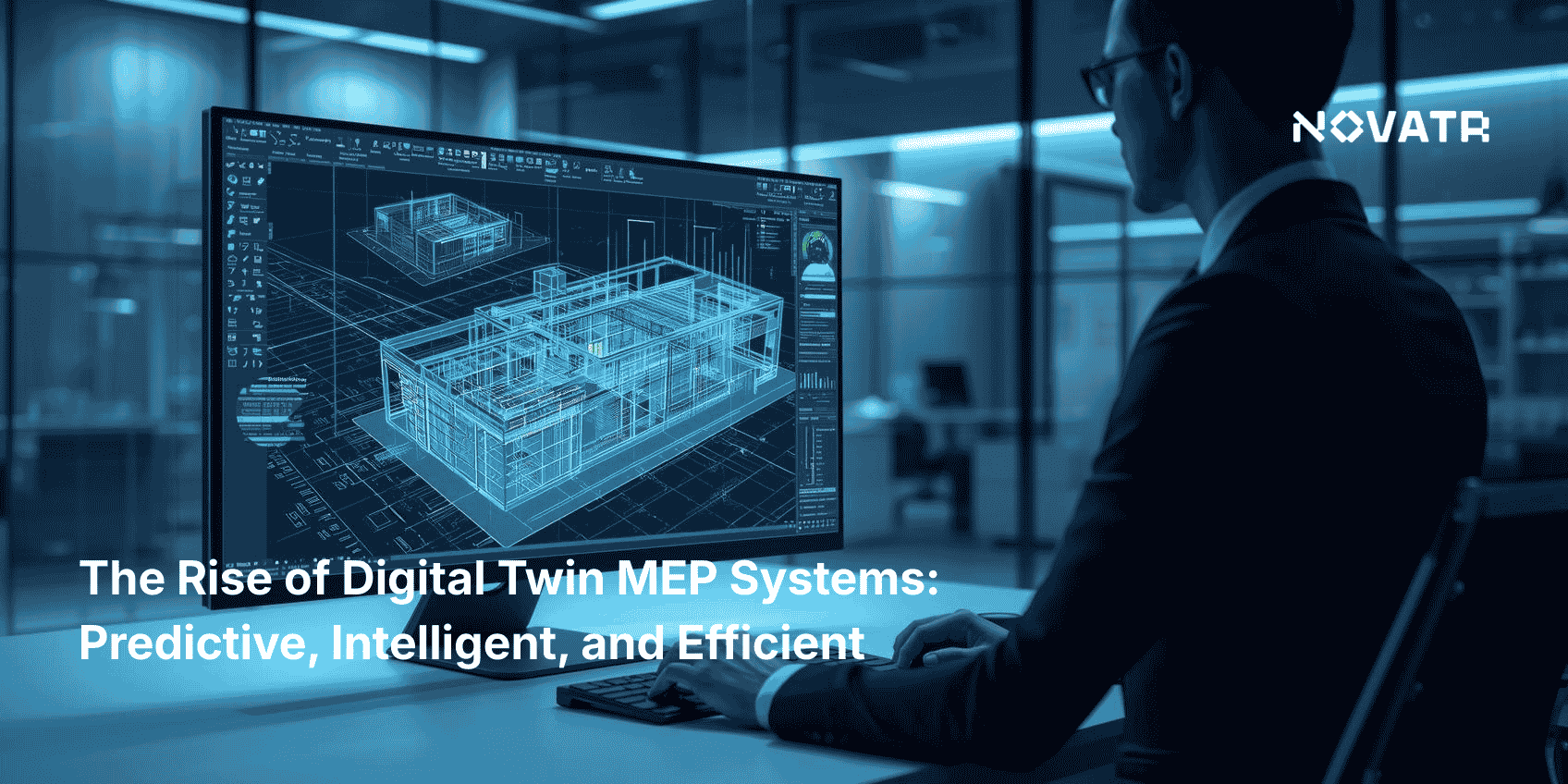

What Is Digital Twin Technology In The Context Of MEP Systems?
Digital twin technology creates precise virtual replicas of physical systems, simulating performance and behavior in real time. By connecting data streams with virtual models, it supports analysis, visualization, and decision-making. This technology is increasingly integrated into intelligent building systems, offering insights that drive efficiency, adaptability, and smarter operational strategies.
Key aspects of digital twin technology in MEP systems include:
-
Provides continuous simulation of system behavior for monitoring and analysis.
-
Enhances design validation and early detection of potential system conflicts.
-
Improves coordination between engineering disciplines and project stakeholders.
-
Supports smart MEP systems for adaptive management and energy efficiency.
-
Facilitates MEP system optimization by identifying performance trends and inefficiencies.
-
Enables predictive insights that help anticipate maintenance and operational needs.
How Do Digital Twins Mirror Real-Time MEP Performance And System Behavior?
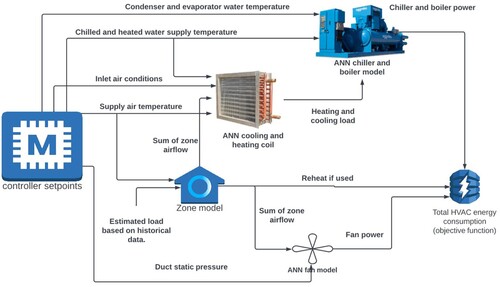
Digital twins create a dynamic virtual model that reflects live operational data, capturing system responses under varying conditions. By continuously synchronizing with physical equipment, they provide insights into efficiency, load patterns, and performance trends. This process integrates seamlessly with building performance analytics, helping engineers interpret complex data for smarter decision-making.
Key ways digital twins mirror real-time MEP performance:
-
Continuously captures sensor data from equipment to provide an accurate reflection of operating conditions.
-
Tracks energy consumption and load variations to identify patterns and peak demands.
-
Visualizes the performance of individual components and overall systems for immediate operational clarity.
-
Supports system optimization using digital twin models by analyzing performance metrics to improve efficiency.
-
Detects deviations, faults, or unusual behavior, enabling timely corrective actions before issues escalate.
-
Assists MEP engineering teams in assessing system responses, planning upgrades, and improving design accuracy.
How Do Digital Twins Improve Monitoring, Fault Detection, And System Optimization?
Digital twins continuously collect operational data and convert it into actionable insights for building management. By connecting multiple systems and tracking performance, they help teams identify trends, anticipate challenges, and respond proactively. Due to digital twin benefits for monitoring and fault detection, oversight improves, processes run efficiently, and decisions can be made with greater accuracy.
Key ways digital twins improve monitoring, fault detection, and optimization:
-
Continuously track system performance to detect deviations early and prevent potential failures before they escalate.
-
Analyze patterns in equipment behavior to identify inefficiencies and recommend corrective actions promptly.
-
Monitor multiple systems simultaneously, giving operators a clear understanding of overall operational health.
-
Use real-time data analytics for MEP systems to support data-driven maintenance and operational improvements.
-
Highlight system components under stress or high load to prioritize interventions and reduce downtime.
-
Demonstrate how digital twins reduce downtime in building systems through predictive alerts and timely adjustments.
Did You Know?
The market for digital twin technology is projected to reach about USD 33.97 billion in 2026, highlighting rapid adoption of digital twin systems across industries, including buildings and infrastructure.
What Role Does Predictive Maintenance Play in Enhancing MEP Reliability?
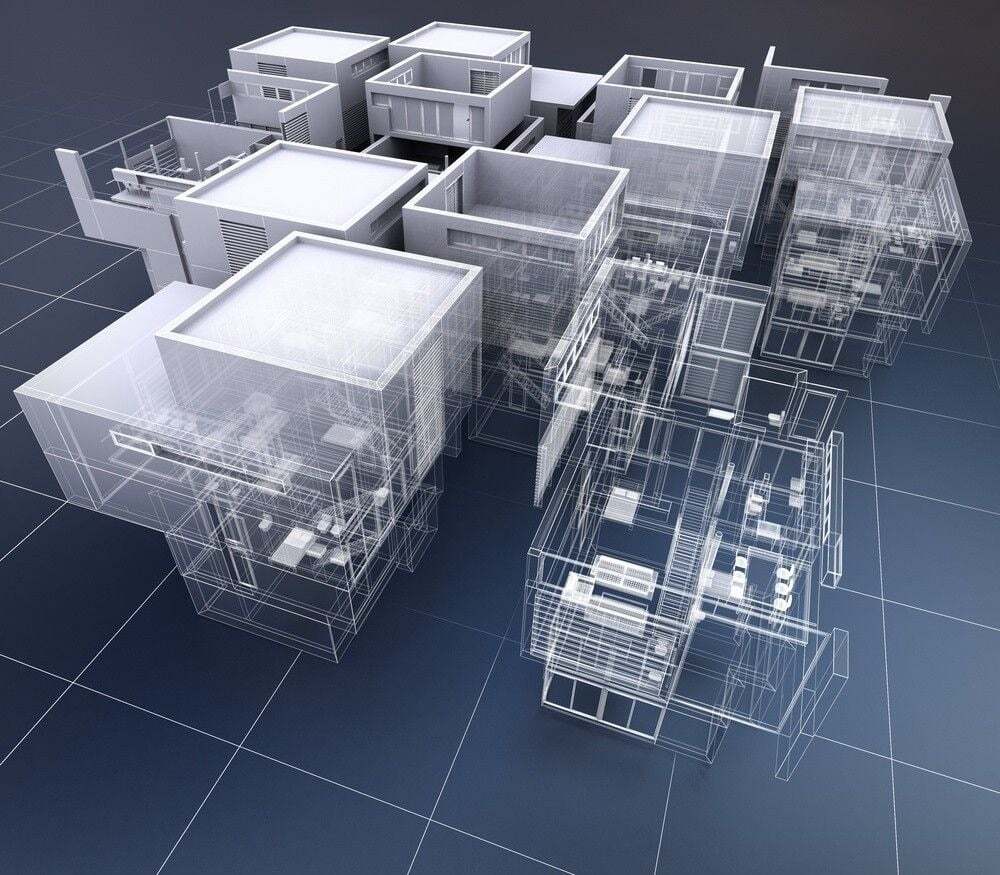
Predictive maintenance anticipates system needs by analyzing operational data and detecting potential issues before they escalate. By monitoring patterns and trends, it supports proactive planning and reduces unexpected failures. Understanding how predictive maintenance improves MEP reliability helps teams maintain consistent performance, optimize schedules, and extend the lifespan of critical building systems.
Key ways predictive maintenance enhances MEP reliability:
-
Schedules maintenance based on actual system performance rather than fixed intervals, reducing unnecessary work.
-
Detects early signs of component wear or degradation to prevent equipment failure.
-
Integrates MEP software to track system status, generate alerts, and plan corrective actions.
-
Uses historical and real-time data to prioritize interventions for high-risk areas.
-
Shows how digital twins support intelligent building operations by connecting predictive insights with live system performance.
Which Tools And Platforms Support Digital Twin Adoption In MEP Projects?
Adopting digital twins in MEP projects requires platforms that manage data, visualize performance, and connect physical systems with their virtual models. These solutions streamline design, coordination, and operational insights. Considering the best tools and platforms for MEP digital twins helps teams implement digital twins efficiently and ensures seamless integration with existing project workflows.
Key tools and platforms supporting digital twin adoption in MEP projects:
-
Revit: Core BIM authoring software for creating detailed 3D models that serve as the foundation for digital twins.
-
Navisworks: Coordination and review platform that aggregates models for clash detection and integrated project visualization.
-
Autodesk Forge: Cloud‑based data integration and development platform that supports connecting BIM models with live data streams.
-
Bentley OpenBuildings Designer: Comprehensive modeling tool with capabilities for simulation and performance analysis in building projects.
-
BIM 360: Collaboration and document management platform that supports BIM and digital twin integration across project teams and lifecycle stages.
How Does Integrating Digital Twins With BIM Enable Smarter Building Intelligence?
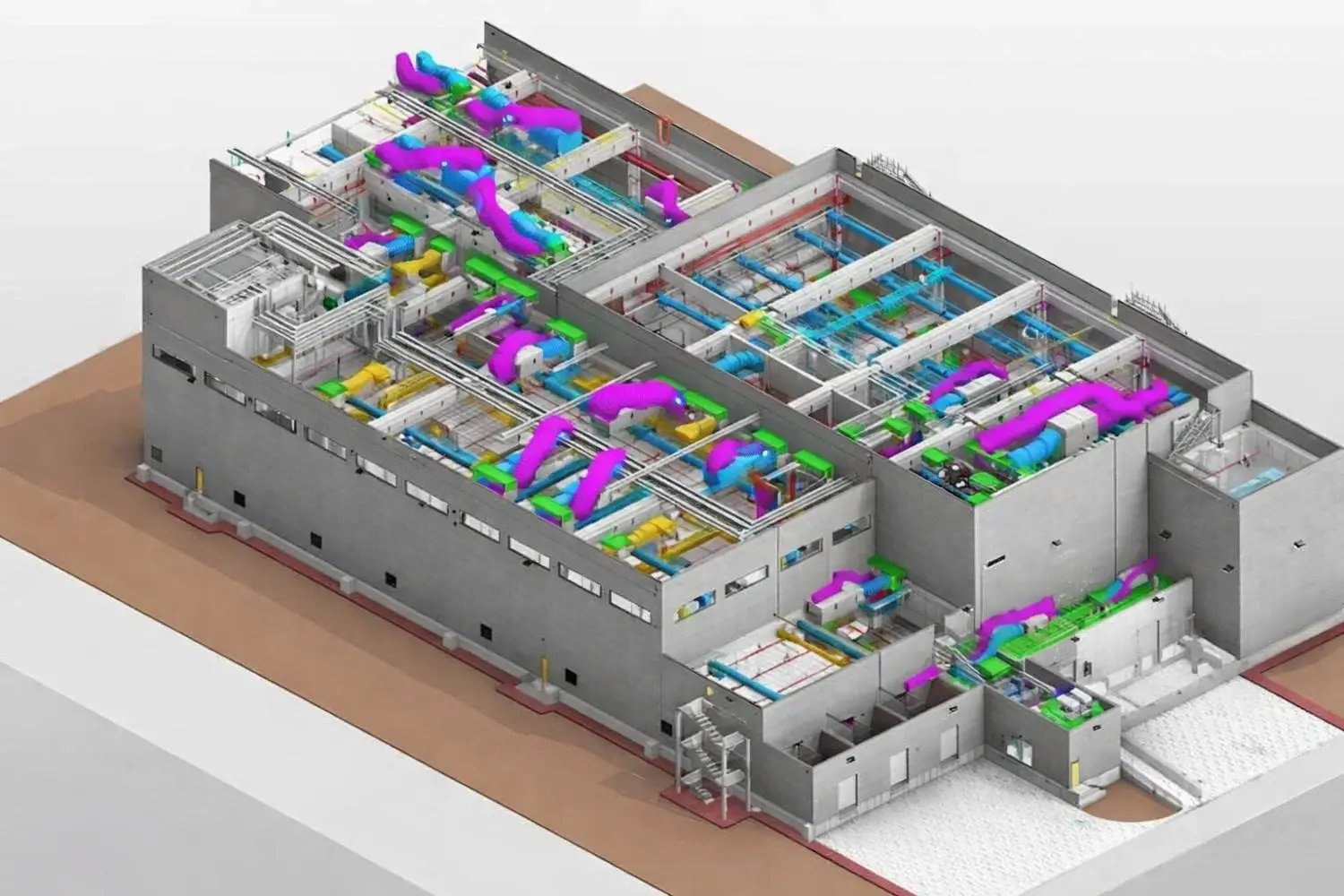
Integrating BIM with digital twins links virtual models to real-world performance data, giving engineers a better understanding of system behavior. This connection improves operational insight, planning, and decision-making. BIM and digital twin integration for smarter buildings enables teams to analyze trends, anticipate challenges, and coordinate tasks efficiently across the project lifecycle.
Key ways BIM and digital twin integration enable smarter building intelligence:
-
Enhances design accuracy by connecting models to real-time operational data.
-
Improves project coordination between multiple engineering and construction disciplines.
-
Enables early detection of potential conflicts or system inefficiencies during planning.
-
Supports performance monitoring and analysis throughout the building lifecycle.
-
Provides actionable insights that help optimize energy usage and system reliability.

.png)

.png)
