


India’s Infrastructure Expansion Strategy
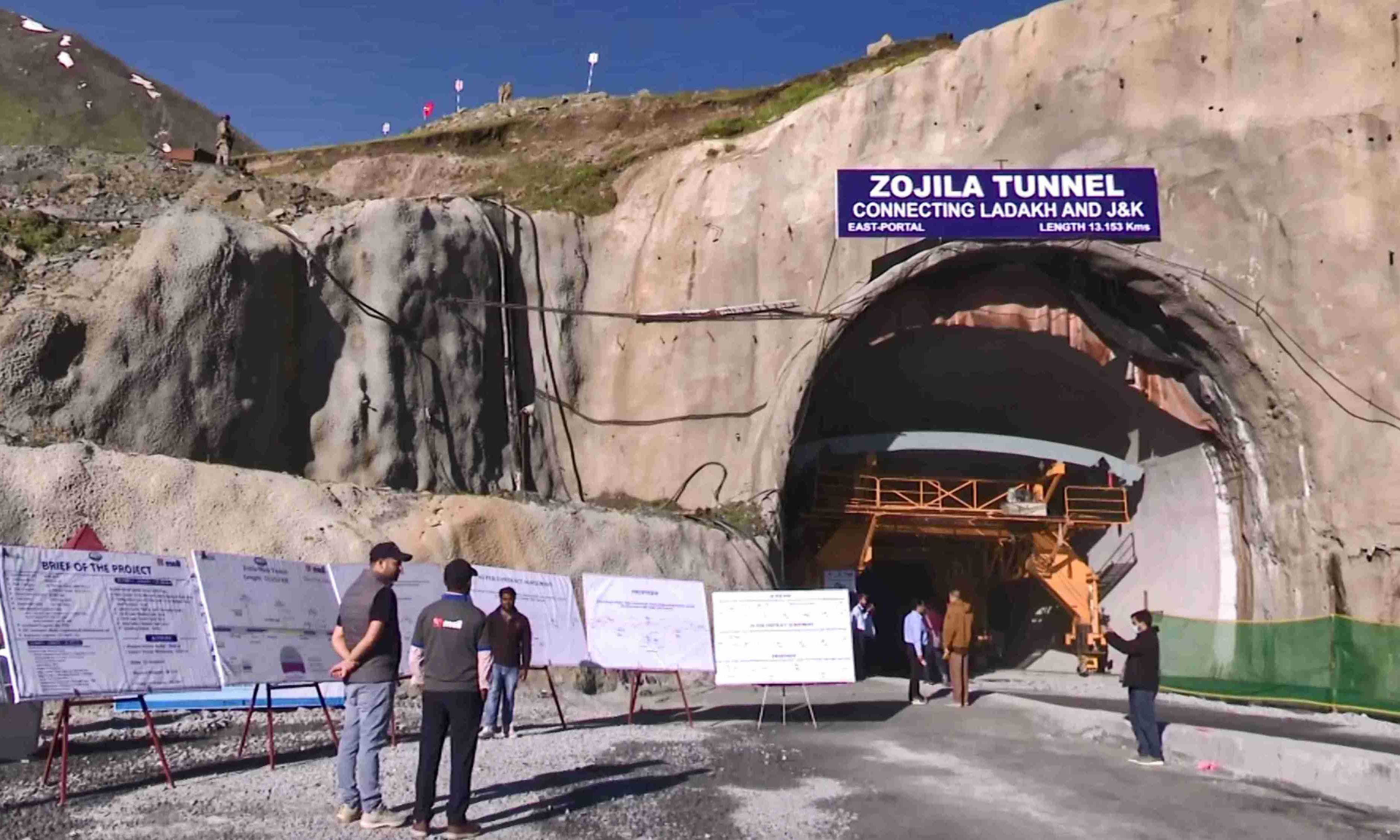
India is accelerating its infrastructure growth in 2026 through focused investments and large-scale development programs. Capital expenditure is increasing across transport, energy, and urban sectors, supporting the country’s long-term economic and social objectives. Rapid urbanization and extensive project pipelines are creating diverse construction opportunities, demanding coordinated planning and efficient execution across multiple stakeholders.
Key aspects of India’s expansion include:
-
Government CapEx allocations are rising steadily across national infrastructure projects.
-
Multiple mega-projects are in planning or under construction nationwide.
-
Urban population growth is driving demand for modern transport and housing.
-
Important transport corridors are being developed to improve connectivity between regions.
-
Energy and utility networks are expanding to meet industrial and urban needs.
-
Smart city initiatives are introducing new technology for better urban services and planning.
The Growing Complexity of Modern Construction Projects
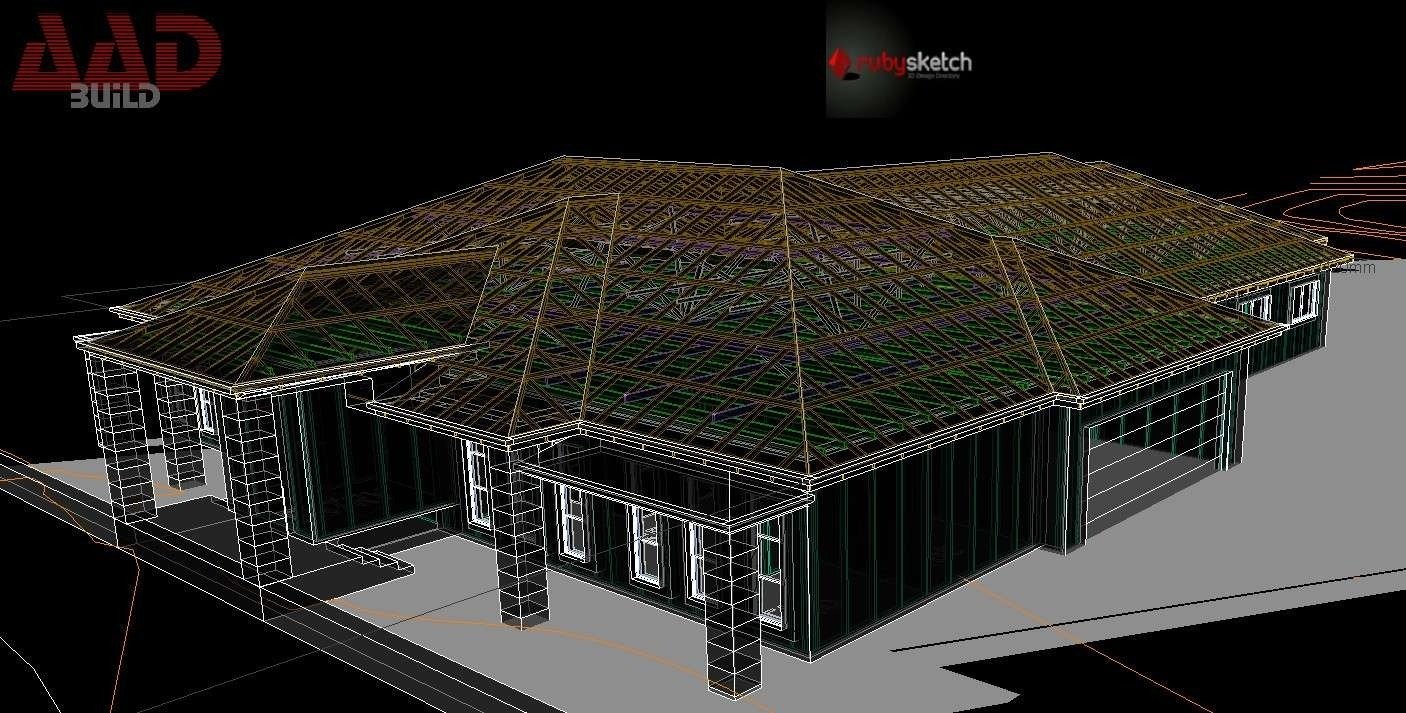
Modern construction projects in India involve many teams, multiple tasks, and different requirements that all need to work together. Coordinating schedules, managing resources, and meeting technical and regulatory standards can be difficult. Understanding how these projects operate helps teams keep work organized, stay on track, and complete each stage efficiently.
Key aspects of modern construction complexity include:
-
Projects involve various engineering and architectural fields at the same time.
-
The high-scale projects involve the coordination of numerous contractors and vendors.
-
The compliance processes and regulatory approvals are more elaborate and strict.
-
The complexity of designing is augmented by incorporating advanced technologies and systems.
-
Strict deadlines and the delivery of tasks in phases require accurate planning.
Why Traditional Project Management Is No Longer Enough
Infrastructure projects in India are growing bigger and more complex, with multiple teams, tasks, and designs. Traditional project management relies on manual schedules and static reports, which makes it hard to keep track of changes or coordinate teams effectively. Understanding these limits shows why modern projects need tools that track work, share updates, and connect all aspects of the project clearly from start to finish.
Here are the main reasons it falls short:
-
Difficulty detecting design clashes before construction begins.
-
Schedules cannot quickly adjust to evolving project requirements.
-
Cost tracking often misses real-time variations and overruns.
-
Coordination among contractors, vendors, and stakeholders is fragmented.
-
Limited use of digital tools reduces visibility, making it harder to make decisions based on current project data.
How BIM Supports Large Infrastructure Projects
Large infrastructure projects involve many teams, designs, and schedules that must work together seamlessly. BIM uses digital models and data to organize these elements and improve coordination. It provides a unified framework for planning, visualizing, and managing projects. Understanding its role helps frame why modern projects increasingly rely on digital tools for efficiency and oversight.
Key ways BIM supports large infrastructure projects include:
-
Clash detection identifies potential conflicts between different design elements early, preventing delays during construction.
-
4D scheduling connects the project timeline with construction activities, helping teams visualize the sequence of work.
-
5D cost integration links project expenses with progress, enabling accurate tracking of budgets and financial planning.
-
Lifecycle asset management monitors the infrastructure continuously, supporting maintenance and operational planning after construction.
-
Centralized digital models enable project teams to work together more efficiently because they can access current project data from a single source.
BIM’s Role in Reducing Rework and Cost Overruns
In large infrastructure projects, unexpected changes or errors can lead to additional work and extra costs. BIM provides a digital framework that helps teams visualize designs, coordinate activities, and monitor progress effectively. Understanding how it functions highlights its potential to improve accuracy and oversight, setting the stage for better planning and execution across all project phases.
Key ways BIM reduces rework and cost overruns include:
-
Early clash detection prevents construction errors and minimizes rework on-site.
-
Integrated project models provide accurate quantities and material estimates to control costs.
-
Coordinated schedules reduce delays and help teams manage resources efficiently.
-
Centralized information improves decision-making and reduces errors in execution.
-
Real-time updates allow all stakeholders to stay aligned with design changes.
Sector Trends: Roads, Metro, Airports & Smart Infrastructure
India’s infrastructure landscape in 2026 is shaped by evolving trends across transport and urban development sectors. Roads, metro systems, airports, and smart city initiatives are expanding at an accelerated pace, reflecting government priorities and urban growth. Understanding these sectoral shifts provides context for how construction practices, technology adoption, and project planning are adapting to meet increasing demands efficiently.
Key trends in infrastructure sectors include:
-
National highways are being upgraded with expressways and high-capacity corridors to reduce travel time and boost logistics efficiency.
-
Metro networks are expanding beyond major cities, incorporating automated systems and smart stations for a better commuter experience.
-
Greenfield and modernization airport projects are increasing capacity while integrating advanced baggage and air traffic technologies.
-
Smart city initiatives focus on IoT-based utilities, digital traffic management, and sustainable energy integration.
-
Multimodal transport hubs combine road, rail, and air connections with real-time monitoring to streamline passenger and cargo movement.
Digital Twin and Future-Ready Infrastructure
Infrastructure planning in India is increasingly adopting digital technologies to anticipate operational needs and optimize performance. Digital twins create virtual representations of physical assets, allowing engineers and planners to visualize systems in real time. Understanding this concept provides insight into how infrastructure can be monitored, simulated, and maintained for long-term efficiency and adaptability without introducing technical or operational errors.
The digital twin technology assists in making infrastructure future-ready in the following ways:
-
Virtual models are used to simulate a real world condition to test design and operational scenarios.
-
Real-time monitoring identifies performance problems before they can occur within physical infrastructure.
-
Predictive maintenance scheduling minimizes unexpected downtime and increases the life of the assets.
-
The combination with IoT sensors gives active information about the use and the conditions of the environment.
-
Inter-team collaboration enhances the process of decision-making by providing one and updated digital model.

.png)