---
title: Why BIM Skills Matter More Than LEED Certificates on Real U.S. Projects
description: Learn how BIM skills impact real U.S. project outcomes more than LEED certification and how engineers can build stronger careers with BIM expertise.
image: https://blog.novatr.com/hubfs/BIM%20specialist%20reviewing%20digital%20model%20on%20construction%20site..jpg
---
[Blogs](https://www.novatr.com/learning-hub)
- [Architecture & Construction](https://www.novatr.com/learning-hub?category=Architecture+%26+Construction)
- [BIM](https://www.novatr.com/learning-hub?category=BIM)
- [Computational Design](https://www.novatr.com/learning-hub?category=Computational+Design)
- [Company News](https://www.novatr.com/learning-hub?category=Company+News)
- [Expert Talks](https://www.novatr.com/learning-hub?category=Expert+Talks)
Explore Courses
[Just Launched  BIM Professional Program v.2026 Take your career to the next level by mastering the real-world application of BIM. Know More](https://www.novatr.com/courses/bim-professional-program)
[ Master Computational Design Course Break into an advanced career by learning to apply the power of computation to the art of design. Know More](https://www.novatr.com/courses/computational-design)
[Blogs](https://www.novatr.com/learning-hub)
Explore Blogs
- [Architecture & Construction](https://www.novatr.com/learning-hub?category=Architecture+%26+Construction)
- [BIM](https://www.novatr.com/learning-hub?category=BIM)
- [Computational Design](https://www.novatr.com/learning-hub?category=Computational+Design)
- [Company News](https://www.novatr.com/learning-hub?category=Company+News)
- [Expert Talks](https://www.novatr.com/learning-hub?category=Expert+Talks)
Courses
- [BIM Professional Program v.2026](https://www.novatr.com/courses/bim-professional-program)
- [Master Computational Design](https://www.novatr.com/courses/computational-design)
- [CIVIL/](https://www.novatr.com/learning-hub?category=BIM)
Featured Article
# Why BIM Skills Matter More Than LEED Certificates on Real U.S. Projects

Deependra Dobriyal
February 23, 2026
5 min read


Understanding **what is LEED Green Associate exam** and **what is LEED Green Associate certification** is often seen as an important step for professionals pursuing sustainable building expertise in the United States. These credentials validate knowledge of green building practices and environmental standards. However, real infrastructure and construction projects increasingly demand effective digital delivery capabilities alongside sustainability awareness.
Infrastructure development in the U.S. shows this growing complexity. The [U.S. General Services Administration](https://www.wbdg.org/FFC/GSA/design_excellence_pp.pdf) manages over 336 million square feet of federal building space, demonstrating the scale of projects that require coordinated planning, execution, and lifecycle management. Such large portfolios highlight the need for integrated project delivery systems that support efficiency, accuracy, and collaboration.
As project environments become more data-driven, professionals with strong digital coordination capabilities are often better equipped to influence project outcomes. This article explains the role of LEED credentials, levels of LEED Certification, and examines why developing a strong **career in BIM** is becoming essential for real-world project success in the U.S. construction industry.
Unlock High-Paying Careers With BIM
Master BIM workflows, software and skills on real projects.
Apply Now
\*Limited seats available
## **What Is LEED Certification?**
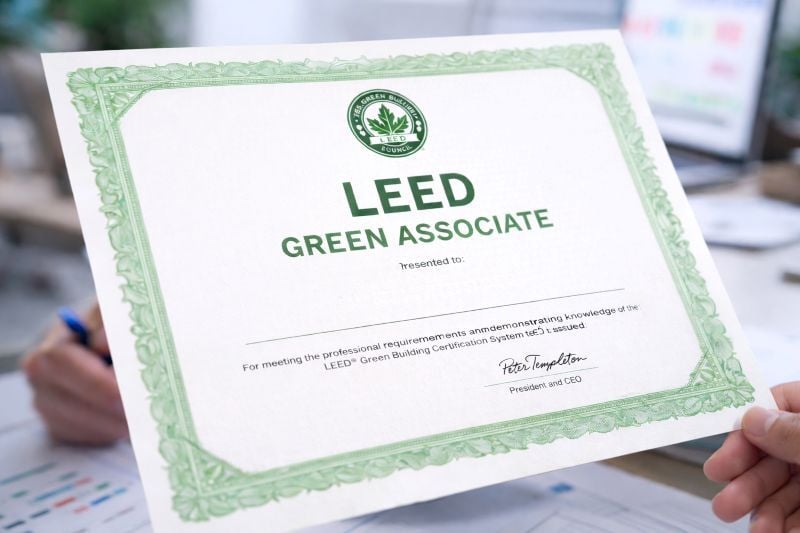
[LEED (Leadership in Energy and Environmental Design)](https://www.usgbc.org/leed) certification is a globally recognized framework that evaluates building sustainability and environmental performance. Developed by the U.S. Green Building Council, it provides standards for energy efficiency, resource management, and environmental responsibility.
Professionals often begin by learning **what is LEED Green Associate exam**, which tests fundamental knowledge of green building practices, sustainability principles, and LEED rating systems. Passing the exam leads to **what is LEED Green Associate certification**, demonstrating awareness of sustainable design concepts and environmental impact strategies.
The certification focuses on:
- Sustainable site development
- Water efficiency practices
- Energy optimization strategies
- Indoor environmental quality
- Material and resource selection
After gaining foundational knowledge, professionals may pursue advanced credentials such as LEED professional certification, which demonstrates specialized expertise in sustainable project delivery.
Many professionals working toward LEED accreditation aim to become a **leed accredited professional**, which indicates an advanced understanding of sustainability frameworks and environmental performance standards.
Despite its value, LEED primarily addresses environmental impact rather than construction coordination, project modeling, or execution processes. Understanding its scope helps clarify its role within modern infrastructure delivery.
Also Read: [FE Civil Exam Explained: What It Is and How It Fits into a Modern BIM Career](https://www.novatr.com/blog/fe-civil-exam-explained)
## **What Are Levels of LEED Certification?**
Understanding the **levels of LEED Certification** helps professionals know how sustainability performance is evaluated across projects. LEED ratings measure how well buildings meet environmental performance criteria.
The system assigns certification levels based on points earned through sustainable practices. The primary levels include:
- **Certified** – Entry-level sustainability performance
- **Silver** – Moderate environmental optimization
- **Gold** – High sustainability performance
- **Platinum** – Maximum environmental achievement
These **levels of LEED Certification** assess energy use, water management, emissions reduction, and material efficiency. Projects earn points across categories and receive ratings accordingly.
While these ratings guide sustainable design decisions, they do not directly manage construction workflows, interdisciplinary coordination, or real-time project data integration.
Professionals pursuing sustainability roles may also try to understand **how difficult is the LEED Green associate exam**, which evaluates knowledge of LEED systems, terminology, and environmental standards. The exam focuses on conceptual understanding rather than hands on construction execution.
These certification levels remain valuable for environmental compliance and sustainability planning, but they operate alongside broader project delivery requirements that increasingly depend on digital coordination tools.
## **How BIM Directly Impacts Project Outcomes?**
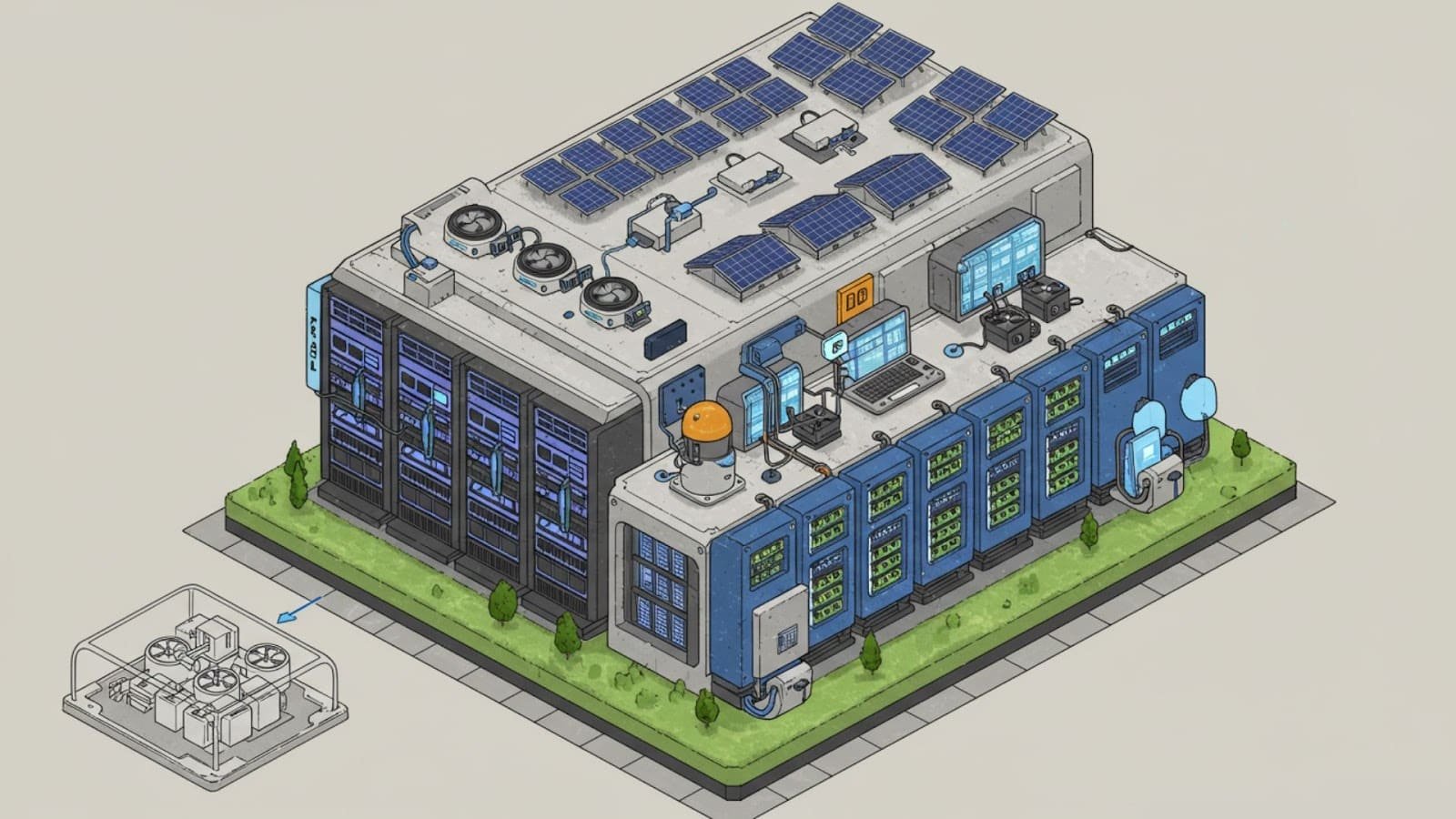
[Building Information Modeling (BIM)](https://www.novatr.com/blog/what-is-building-information-modeling-bim) directly influences how projects are designed, coordinated, and constructed. Unlike sustainability frameworks, BIM affects day-to-day project execution and operational efficiency.
To understand its impact, consider the key ways BIM improves project outcomes:
- **Improved design coordination** – Engineers and architects work from shared models, reducing errors.
- [**Clash detection**](https://www.novatr.com/blog/bim-for-clash-detection) – Conflicts between structural and mechanical systems are identified early.
- **Cost control** – Accurate quantity estimation improves budgeting accuracy.
- **Schedule optimization** – Construction sequencing becomes predictable.
- **Risk reduction** – Teams detect issues before construction begins.
These capabilities show how BIM transforms collaboration and decision-making throughout project lifecycles.
In contrast to sustainability frameworks, BIM affects construction workflows directly. It supports [3D modeling](https://www.novatr.com/blog/bim-modeling-software), data integration, and coordination across disciplines. This makes BIM skills essential for professionals pursuing a long-term [**career in BIM**](https://www.novatr.com/blog/career-in-bim), particularly in large infrastructure projects.
BIM tools enable engineers to visualize complex structures, simulate performance, and manage construction logistics. These capabilities improve project speed, quality, and cost performance.
As infrastructure projects grow more complex, BIM increasingly functions as an operational requirement rather than an optional skill.
Also Read: [PE License vs BIM Skills: What Senior Civil Engineers Need Today](https://www.novatr.com/blog/pe-license-vs-bim-skills-what-senior-civil-engineers-need-today)
## **Real Scenarios Where BIM Outweighs LEED**
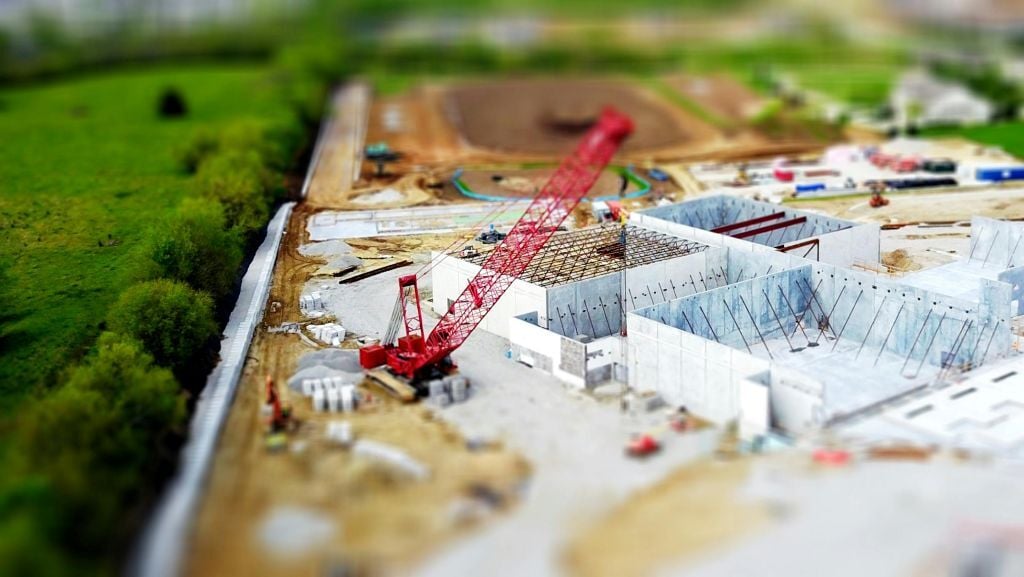
Real infrastructure projects demonstrate how digital capabilities often influence project success more directly than sustainability credentials alone.
The following scenarios illustrate where BIM delivers measurable value:
- **Large transportation projects:** Highway and rail projects require detailed coordination between structural, geotechnical, and utility systems. BIM supports integrated modeling, while sustainability frameworks provide limited operational guidance.
- **Complex healthcare facilities:** Hospitals involve dense mechanical and electrical systems. BIM improves spatial coordination and reduces installation errors.
- **Infrastructure rehabilitation projects:** Renovation work requires precise modeling of existing conditions. BIM supports accurate planning and risk management.
- **Multidisciplinary construction environments:** Large projects involve multiple stakeholders. BIM enables shared data environments for collaboration.
These examples show that while sustainability goals remain important, project delivery depends heavily on coordination and execution processes.
Professionals with **leed professional certification** contribute to sustainability planning, but BIM capabilities directly shape construction outcomes. Engineers who understand digital modeling environments often play more central roles in project execution.
This distinction explains why many firms prioritize digital skills alongside sustainability knowledge when hiring project teams.
## **The Smart Career Path: BIM First, LEED Later**
For civil engineers and construction professionals, a strategic learning path often prioritizes digital coordination skills before sustainability specialization.
Modern infrastructure delivery requires technical capabilities that influence design coordination, project communication, and execution workflows. BIM skills address these requirements directly.
A structured career progression often includes:
- Developing modeling and coordination expertise
- Understanding project data workflows
- Learning digital construction methods
- Building interdisciplinary collaboration skills
These competencies support long-term career growth and enable professionals to contribute effectively to complex projects.
Many professionals pursue **LEED accreditation** after gaining technical project experience. This method ensures that sustainability knowledge complements delivery skills rather than replacing them.
Structured training programs support this progression. A BIM-focused learning pathway provides hands-on experience with modeling tools, coordination methods, and infrastructure workflows used in real projects.
A strong [**career in BIM**](https://www.novatr.com/blog/kickstart-your-bim-career) enables professionals to adapt to evolving infrastructure demands while supporting sustainable design strategies when needed.
Master BIM and Get Hired Faster
Join a community of 8500+ Architects and Engineers.
Explore Now
\*Limited seats available
## **Conclusion**
Understanding **what is LEED Green Associate exam** and **what is LEED Green Associate certification** remains valuable for sustainability-focused roles in construction and infrastructure. These credentials provide knowledge of environmental performance standards and responsible design practices.
However, modern infrastructure projects increasingly rely on digital coordination and model-based workflows to deliver accurate, efficient outcomes. BIM capabilities directly influence project performance, collaboration, and execution, making them essential skills for engineers working on large-scale projects.
Professionals who combine technical delivery skills with sustainability knowledge gain stronger career opportunities and contribute more effectively to modern infrastructure programs.
For engineers seeking to develop hands-on digital delivery capabilities, the [BIM professional Course for Civil Engineers](https://www.novatr.com/us/courses/bim-for-civil-engineers) offered by [Novatr](https://www.novatr.com/us) provides structured training in model-based coordination, infrastructure workflows, and industry-relevant tools used in real project environments.
Visit our [resource page](https://www.novatr.com/learning-hub) to explore learning materials and career pathways that support your professional growth.
Was this content helpful to you
Like Yes
Dislike No

TABLE OF CONTENTS
BIM Is The New Standard. Are You Certified?
Get Certified in BIM
SHARE ON YOUR SOCIALS
Link Copied Successfully
Related articles
[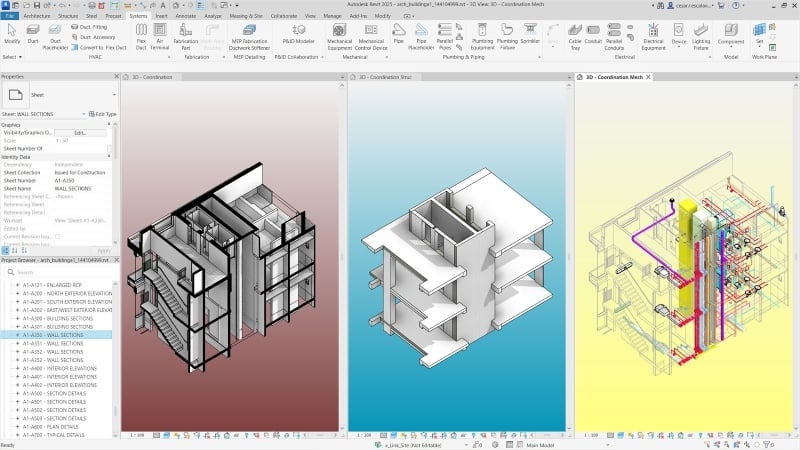 CIVIL How does BIM Managers & Engineers Use PyRevit? 25 March 2026 6 min read](https://blog.novatr.com/blog/how-does-bim-managers-engineers-use-pyrevit) [ CIVIL Essential Tips to Make a Stunning BIM Coordinator Resume 26 September 2025 5 min read](https://blog.novatr.com/blog/essential-tips-to-make-a-stunning-bim-coordinator-resume) [ CIVIL FE Civil Exam Explained: What It Is and How It Fits into a Modern BIM Career 23 February 2026 5 min read](https://blog.novatr.com/blog/fe-civil-exam-explained) [ CIVIL Is BIM Training Useful For Quantity Surveyors? 23 March 2026 6 min read](https://blog.novatr.com/blog/is-bim-training-useful-for-quantity-surveyors)
Download Syllabus
## BIM Professional Program
Next Cohort
June 2026
Program Duration
7 Months
Premium Program benefits
8 Credentials from Autodesk, NSDC, Novatr
1 program. 10 career paths. Infinite Growth.
40+ ISO 19650 & RIBA real-world projects to practice
1-on-1 guidance. Access 400+ industry experts.
Access the biggest AEC-Tech community on the planet. 8500+ and counting
Curated for you by 100+ global BIM leaders.
Lifelong access to course content
Enter your details to download the program syllabus.
##### BIM Professional Program
June 2026, 7 Months
Your Name Invalid name.
Phone Number Enter a valid phone number
Email Please enter a valid email address.
Select years of experience\* Currently studying 0-1 years 1-2 years 2-4 years 4-8 years 8-10 years 10-12 years 12+ years Invalid selection.
Specialisation Select your background\* Architecture Civil Engineering Mechanical Engineering Electrical Engineering Invalid selection.
Are you professionally trained in interior design?
Yes
No
I agree to the [Terms of Use](https://www.novatr.com/terms-and-conditions) and [Privacy Policy](https://www.novatr.com/privacy-policy), and consent to be contacted by Email, Call, WhatsApp, or SMS.
Submit
Ready to skyrocket your career?
Begin your next chapter in AEC
with Novatr!
We are here to help you take the industry by storm with advanced, tech-first skills.
[Explore Courses](https://www.novatr.com/#courses)
Join our newsletter
Submit
Thank you for signing up.
We’ll send you a nice letter once per week. No spam.

Dare to Disrupt.
Join thousands of people who organise
work and life with Novatr.
Company
- [About Us](https://www.novatr.com/about)
- [BIM Professional Program v.2026](https://www.novatr.com/courses/bim-professional-program)
- [Masters Computational Design](https://www.novatr.com/courses/computational-design)
- [Become a Mentor](https://www.novatr.com/apply-as-mentor)
- [Hiring from Us](https://www.novatr.com/hire-from-us)
- [Careers at Novatr](https://www.novatr.com/career)
Resources
- [Blog](https://www.novatr.com/learning-hub)
- [Media Room](https://www.novatr.com/media-room-home-page)
- [Career Builder](https://www.novatr.com/career-navigator)
- [Events & Webinars](https://www.novatr.com/webinars)
- [FAQs & Support Center](https://www.novatr.com/contact-us)
- [Contact Us](https://www.novatr.com/contact-us)
- [Privacy Policy](https://www.novatr.com/privacy-policy)
- [Terms of Use](https://www.novatr.com/terms-and-conditions)
©2023 Oneistox Network Pvt. Ltd.
All Rights Reserved
```json
{
"@context" : "https://schema.org",
"@type" : "BlogPosting",
"author" : {
"@type" : "Person",
"name" : "Deependra Dobriyal",
"url" : "https://blog.novatr.com/blog/author/deependra-dobriyal"
},
"dateModified" : "2026-02-23T11:56:16.279Z",
"datePublished" : "2026-02-23T11:51:18.000Z",
"headline" : "Why BIM Skills Matter More Than LEED Certificates on Real U.S. Projects",
"image" : [ "https://blog.novatr.com/hubfs/BIM%20specialist%20reviewing%20digital%20model%20on%20construction%20site..jpg" ],
"mainEntityOfPage" : {
"@id" : "https://blog.novatr.com/blog/why-bim-skills-matter-more-than-leed-certificates-on-real-u.s.-projects",
"@type" : "WebPage"
},
"publisher" : {
"@type" : "Organization",
"logo" : {
"@type" : "ImageObject",
"url" : "https://blog.novatr.com/hubfs/Novatr%20Prev%20OX-2.svg"
}
}
}
```