
.jpg)
.jpg)

What is a Construction Project Engineer?

Let’s start by understanding the meaning of construction project engineer in simple terms. A Construction Project Engineer guarantees that a construction project occurs easily and in the best way possible. They mediate between architects, contractors, engineers, and the on-goers. They mainly relate to technical drawings of the work, manage everyday activities, and coordinate different teams to ensure the project is skilfully done and on time.
Then, when you ask yourself the question: What is a construction project engineer? You will think of them as the technical conductors of a construction orchestra, ensuring that everyone plays together, from blueprint to final construction.
What Does a Construction Project Engineer Do?

So, what does a construction project engineer do on a daily basis? They have both office and field work in their job description and will therefore ensure that the construction meets design requirements, safety, and cost.
So, what are the duties and responsibilities of a project engineer in construction? Let us find out:
1. Project Planning & Scheduling
They develop elaborate working programmes by employing such programmes as Primavera P6 or MS Project. They see that all milestones are achieved by managing the workforce, materials, and deadlines.
2. Interpreting Drawings & Technical Documents
Project Engineers interpret architectural and structural drawings that give clear guidelines to the team on the ground to get everything done perfectly.
3. Site Coordination
They are the interface between the civil, electrical, plumbing, and HVAC contractors and ensure that each team operates in unison without interruption and conflict.
4. Material & Inventory Management
Project engineers monitor inbound materials, handle quality control, and ensure that procurement meets the project's needs.
5. Quality Control & Safety Compliance
They access construction to codes and standards requirements, perform site checks, draft test reports, and take action in case of problems.
6. Documentation & Reporting
They take daily logs, send progress reports, handle submittals, and update stakeholders on collaborative sites such as Procore.
In short, the duties of project engineer in construction are essential to maintaining order, quality, and efficiency at every stage of a project.
Key Skills Required To Become a Construction Project Engineer

You need to have some construction project engineer skills to deal with such responsibilities. These consist of a trade of technical competence, digital literacy and personal skills:
Technical Skills
- Blueprint Reading & Draft Interpretation
- Familiarity with Building Codes & Compliance Standards
- Knowledge of Estimation of Quantity & Costing
- BIM Processes conception
- Project Scheduling Tools Proficiency (Primavera, MS Project)
Soft Skills
- Excellent Communication and coordination
- Time Management and Multitasking
- Critical Thinking and Decision Making
- Problem-Solving Under Pressure
- Leadership Without Authority
To grow in this field, professionals must continuously update their skills to stay aligned with evolving construction technology and global practices.
Most Used Software by Construction Project Engineer

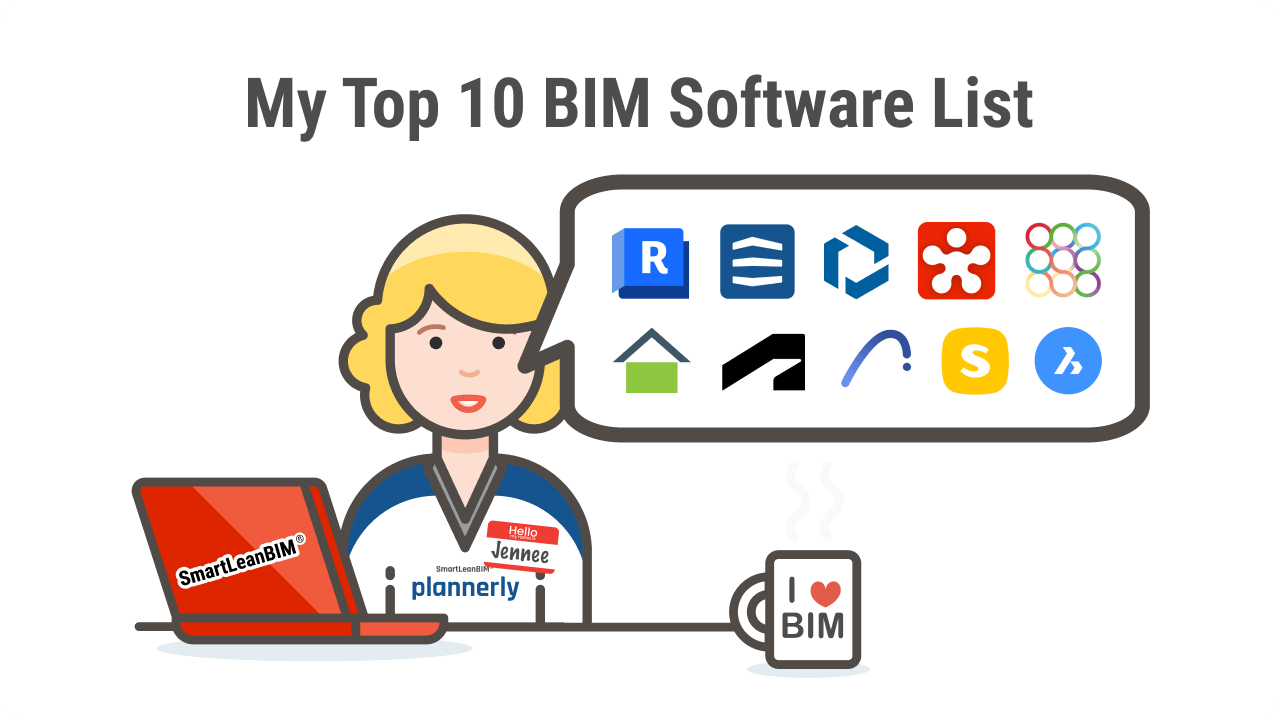
Mastering the right tools is key to efficiency. Below are the top softwares for construction project engineer roles that are widely adopted across the construction industry:
1. Autodesk Revit
Revit is a BIM software tool that allows engineering developers to view and check complex 3D models of architecture, structure, and MEP systems. It is necessary for pre-construction clash detection and computerized teamwork.
- Best For: Coordination of models, design validation, quantity take-offs
- Why It Matters: Limits the number of errors before construction.
2. Navisworks (BIM Coordination Tool)
Often used alongside Revit, Navisworks helps project engineers aggregate models, simulate construction sequences, and identify conflicts between systems.
- Best For: Model aggregation, clash detection, 4D simulations
- Why It Matters: Enhances team coordination and field execution
3. Primavera P6
Primavera is one of the most popular tools used in large-scale construction, assisting with developing detailed work-breakdown structures, assigning resources, and risk management.
- Best For: Most suitable for project scheduling and the critical path.
- Why It Matters: Maintains complicated projects on time and on budget
4. Procore
The system is a common cloud-based platform that manages projects in real time and connects the owners with contractors and engineers.
- Best For: RFIs, daily logs, submittals, field data collection
- Why It Matters: It enhances the workflow by minimizing rework and improving communication processes.
5. Microsoft Project
MS Project is a perfect tool for small- to mid-sized projects and enables engineers to create Gantt charts, track dependencies, and check resource planning.
- Best For: Schedule monitoring, reporting
- Why It Matters: Easy to learn and widely accepted
Mastering these tools will give engineers a competitive advantage and enhance their chances of working in international or BIM projects.
Construction Project Engineer Salary Range in the USA
If you're considering this career path, it's natural to ask about the construction project engineer salary. Salaries vary based on experience, location, and project type. Here’s a general overview:
|
Experience Level |
Average Annual Salary (USD) |
|
Entry-Level (0–1 years) |
|
|
Mid-Level (1–3 years) |
|
|
Senior (4–6 years) |
The engineer's income scale in the construction project can also be higher in the major urban areas such as New York, San Francisco, or Boston, particularly when the engineer is dealing with big commercial, infrastructure, or government projects.
Other incentives to increase your pay include bonuses, travel allowances, and certifications (such as PMP or LEED).

.jpg)