---
title: Advancing Robotics in Prefabricated MEP Construction 2026
description: Discover how robotics is reshaping prefabricated MEP construction, improving efficiency, accuracy, and safety across prefabricated MEP workflows.
image: https://blog.novatr.com/hubfs/Robotics%20in%20Prefabricated%20MEP%20Construction%20A%20Look%20Ahead.png
---
[Blogs](https://www.novatr.com/learning-hub)
- [Architecture & Construction](https://www.novatr.com/learning-hub?category=Architecture+%26+Construction)
- [BIM](https://www.novatr.com/learning-hub?category=BIM)
- [Computational Design](https://www.novatr.com/learning-hub?category=Computational+Design)
- [Company News](https://www.novatr.com/learning-hub?category=Company+News)
- [Expert Talks](https://www.novatr.com/learning-hub?category=Expert+Talks)
Explore Courses
[Just Launched  BIM Professional Program v.2026 Take your career to the next level by mastering the real-world application of BIM. Know More](https://www.novatr.com/courses/bim-professional-program)
[ Master Computational Design Course Break into an advanced career by learning to apply the power of computation to the art of design. Know More](https://www.novatr.com/courses/computational-design)
[Blogs](https://www.novatr.com/learning-hub)
Explore Blogs
- [Architecture & Construction](https://www.novatr.com/learning-hub?category=Architecture+%26+Construction)
- [BIM](https://www.novatr.com/learning-hub?category=BIM)
- [Computational Design](https://www.novatr.com/learning-hub?category=Computational+Design)
- [Company News](https://www.novatr.com/learning-hub?category=Company+News)
- [Expert Talks](https://www.novatr.com/learning-hub?category=Expert+Talks)
Courses
- [BIM Professional Program v.2026](https://www.novatr.com/courses/bim-professional-program)
- [Master Computational Design](https://www.novatr.com/courses/computational-design)
- [MEP/](https://www.novatr.com/learning-hub?category=BIM)
Featured Article
# Robotics in Prefabricated MEP Construction: A Look Ahead

Neha Singh
February 13, 2026
4 min read
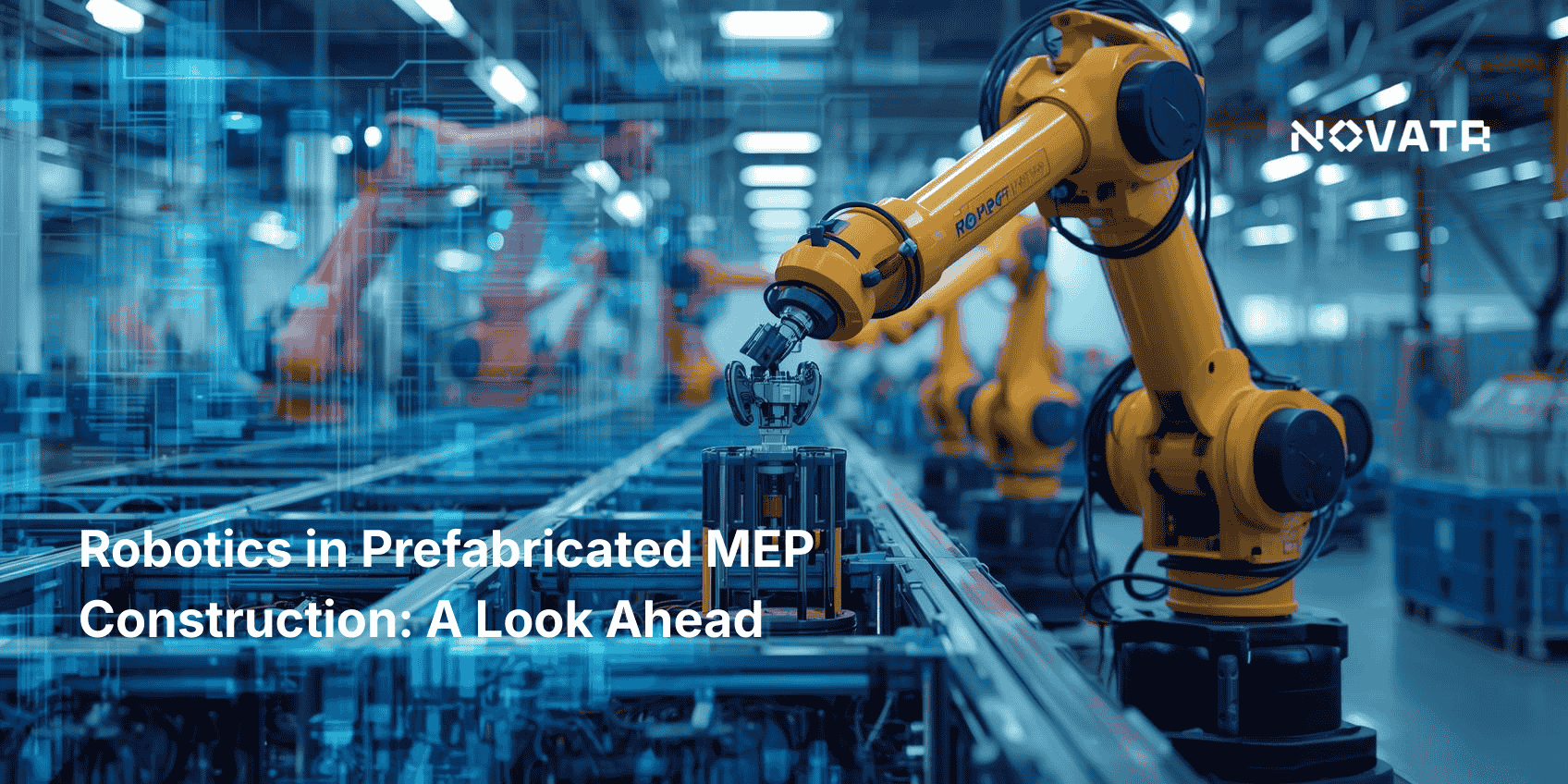

Automation is changing the fabrication of building systems, enabling precise assembly of ducts, pipes, and cable trays. Robotic engineers in the USA earn an average of [$105,605](https://www.ziprecruiter.com/Salaries/Robotic-Engineer-Salary) per year, reflecting the specialized skills needed to operate these technologies. Efficient workflows enable prefabricated MEP systems to be produced with improved consistency and reduced errors throughout fabrication.
The implementation of robotics in MEP construction improves installation accuracy while reducing on-site labor demands. Automated tools streamline complex processes, minimizing repetitive work and enhancing safety. Engineers can focus on oversight and quality assurance rather than manual adjustments. These systems continue to accelerate project timelines and strengthen construction workflows, making prefabricated assembly more efficient, predictable, and professionally managed.
Unlock High-Paying Careers With BIM
Master BIM workflows, software and skills on real projects.
Apply Now
\*Limited seats available
## **How Is Robotics Reshaping Prefabricated MEP Construction?**
Modern fabrication shops are increasingly adopting automated workflows, improving speed, precision, and coordination across projects. Through robotic fabrication for MEP, components are cut, assembled, and verified with minimal errors, reducing manual handling. This shift is gradually transforming traditional assembly lines into highly coordinated, technology-driven processes.
Here’s how robotics is reshaping prefabricated MEP construction in key ways:
- Robotics enhances the accuracy of ductwork and piping layouts, reducing onsite adjustments.
- Automated assembly lines shorten production cycles for complex MEP components.
- Sensors and software integration track parts, improving workflow coordination.
- Duct and pipe prefabrication becomes faster and more consistent across multiple projects.
- Robotic welding and fastening increase structural alignment and fit precision.
- Construction robotics reduce repetitive manual tasks, freeing engineers to focus on monitoring and quality.
## **How Does Automation Improve Duct, Pipe, and Cable Tray Prefabrication?**
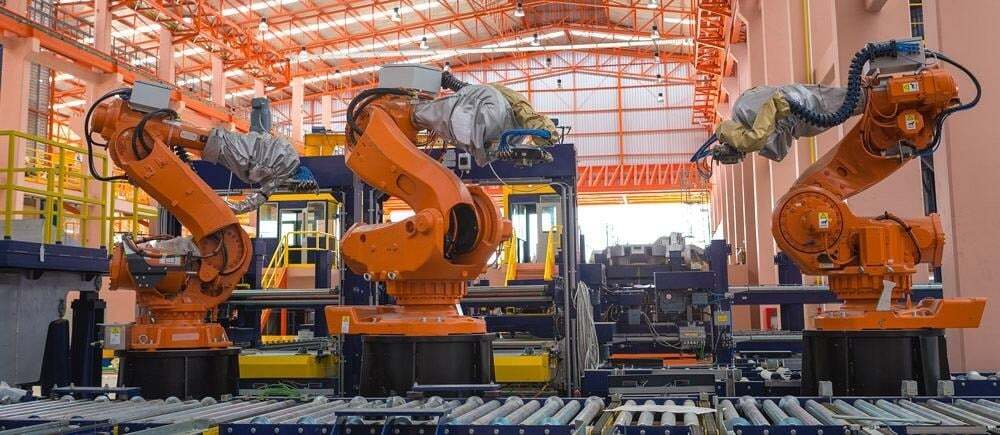
Modern fabrication relies on coordinated workflows and precise processes to handle complex components efficiently. In advanced facilities, MEP shop automation manages production sequencing and monitors quality, ensuring parts are fabricated accurately. This approach reduces errors, supports consistency, and maintains smooth operations while preparing duct, pipe, and cable tray components for efficient assembly.
Here’s how automation enhances duct, pipe, and cable tray prefabrication:
- Automated cutting and bending machines shape duct, pipe, and tray components consistently, reducing material waste and alignment errors.
- Digital layout software provides step-by-step guidance during assembly, ensuring proper positioning and precise fit of each part.
- Integrated sensors track production progress, immediately identifying deviations or defects to prevent faulty components from continuing in the workflow.
- MEP automation tools coordinate the sequencing of tasks, optimizing efficiency while maintaining quality standards across multiple fabrication stages.
- Conveyor and handling systems move components systematically, reducing physical strain on workers and speeding up overall production.
- Robotic installation systems position and secure components with high precision, minimizing rework and accelerating fabrication timelines safely.
## **What Efficiency, Accuracy, and Safety Advantages Do Robotic Systems Offer?**
Robotic systems boost construction performance through precise control and automated operations. By applying digital fabrication in construction, teams maintain tight tolerances, minimize physical risks, and streamline coordination. These systems reduce inspection needs, ensure consistent production, and enable safer, faster, and more accurate outcomes for complex MEP components without depending on manual adjustments.
Here’s how robotic systems improve efficiency, accuracy, and safety:
- Predictive maintenance features detect potential mechanical issues before they impact production, reducing downtime and interruptions.
- Adaptive control systems adjust operations in real time to maintain optimal performance under varying conditions.
- MEP engineering benefits from virtual simulations and monitoring, helping complex systems be checked digitally while improving installation accuracy and safety.
- Automated data logging tracks every operation step, supporting compliance, quality audits, and continuous improvement.
- Collaborative robots work alongside technicians safely, reducing human exposure to high-risk tasks.
- Construction productivity tools support streamlined workflows, improving efficiency and enabling engineers to focus on planning and problem-solving.
## **Did You Know?**
By 2026, the robotic MEP prefabrication market is expected to reach around [2.77 billion USD](https://www.researchandmarkets.com/reports/6215350/robotic-mechanical-electrical-plumbing-mep), up from [2.36 billion USD](https://www.researchandmarkets.com/reports/6215350/robotic-mechanical-electrical-plumbing-mep) in 2025, showing rapid adoption of automated off-site construction methods.
## **Which Robotic Tools and Fabrication Technologies Are Used in Modern MEP Shops?**
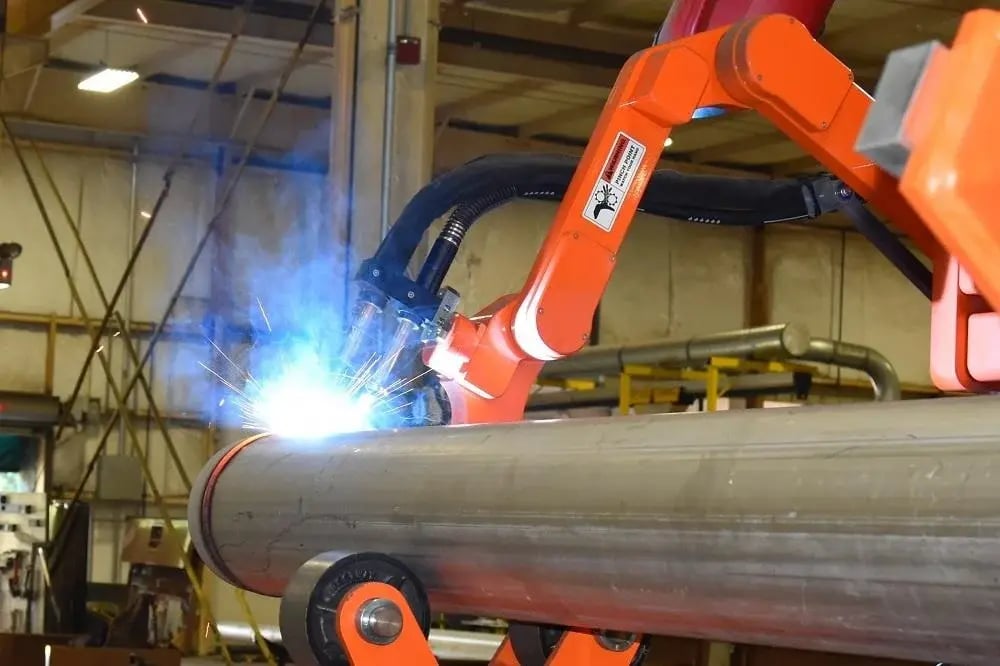
Modern MEP facilities employ advanced robotic systems that improve workflow precision, reduce human effort, and enhance safety. By integrating automation for duct pipe and cable tray prefabrication, teams achieve consistent quality while streamlining complex component production, accelerating processes, and maintaining higher operational standards without relying heavily on manual labor.
Here are the robotic tools used in modern MEP fabrication shops:
- Cutting robots that shape ducts and pipes with high precision, supporting future trends in robotic MEP construction by improving consistency.
- Bending systems that maintain component alignment and standardization across multiple projects.
- CNC-guided assembly platforms that coordinate fabrication steps, enhancing production efficiency.
- Sensor-assisted placement units that accurately position components, minimizing risks and installation errors.
- Integrated monitoring systems that track progress in real time, allowing better workflow management and resource allocation.
- Robotic platforms designed for the integration of robotics with MEP supply chain, streamlining material flow and assembly processes across facilities.
## **How Does Robotics Accelerate Installation and Reduce Onsite Labor Challenges?**
On-site operations are increasingly efficient as robotics manage precise placement and coordination of complex systems. When modular construction enhanced by robotics is applied, teams can plan assemblies in advance, optimize workflows, and reduce physical strain on workers, helping installations move faster while maintaining safety and quality standards.
Here’s how robotics accelerates installation and reduces onsite labor challenges:
- Automated hoisting and placement units move heavy MEP components with precision, shortening installation time.
- Pre-programed assembly robots reduce manual handling, ensuring components are consistently aligned.
- Real-time sensors monitor progress and adjust operations to prevent errors or delays.
- MEP software integrates design and installation workflows, improving coordination and onsite planning.
- Collaborative robots assist technicians with repetitive or physically demanding tasks, reducing labor fatigue.
- Guided robotic systems enhance workflow sequencing, providing efficiency and accuracy benefits of robotics in MEP across the installation process.
Master BIM and Get Hired Faster
Join a community of 8500+ Architects and Engineers.
Explore Now
\*Limited seats available
## **Conclusion**
Robotics is reshaping prefabricated MEP construction by enhancing coordination, installation speed, and workflow efficiency. These systems support complex assemblies while delivering safety improvements using robotic fabrication systems, reducing manual effort and minimizing risks. Such developments show how technology streamlines construction processes and maintains consistent quality across projects.
For professionals aiming to deepen their knowledge, the [BIM Course for MEP Engineers](https://www.novatr.com/us/courses/bim-for-mep-engineers), offered by [Novatr](https://www.novatr.com/us), provides guidance on integrating advanced digital systems into construction workflows. Visit our [resource page](https://www.novatr.com/learning-hub) to explore additional insights, tools, and methods that can strengthen technical skills and help teams adapt to evolving MEP practices.
## **FAQs**
### **1. How are robotics currently being used in prefabricated MEP construction?**
Robotics is applied to cut, bend, and assemble duct, pipe, and cable tray components in off-site prefabrication facilities. They manage precise placement and coordination of MEP modules, ensuring components are prepared accurately. This reduces the reliance on manual labor and shortens installation timelines.
### **2. What benefits do robots bring to MEP manufacturing and assembly?**
Robots improve efficiency by completing repetitive fabrication and assembly tasks faster than human labor. They help maintain consistent quality across multiple projects. Additionally, they reduce physical strain on workers while streamlining workflow coordination in MEP shops.
### **3. Can robotics improve accuracy and reduce errors in MEP prefabrication?**
Robotics maintain precise tolerances during fabrication, ensuring all components fit correctly during assembly. They track deviations in real time, preventing defective parts from continuing through the workflow. This process reduces rework and helps achieve higher accuracy and consistent quality on-site.
Was this content helpful to you
Like Yes
Dislike No

TABLE OF CONTENTS
BIM Is The New Standard. Are You Certified?
Get Certified in BIM
SHARE ON YOUR SOCIALS
Link Copied Successfully
Related articles
[ What Are Prefabricated MEP Systems and Why Are They Gaining Popularity? 26 September 2025 5 min read](https://blog.novatr.com/blog/prefabricated-mep-systems) [ MCD How Tesla is Using Prefabrication as an Innovative Way to Build its Factories? 4 September 2024 5 min read](https://blog.novatr.com/blog/tesla-prefabricated-factory-construction) [ Top 10 Examples of Modular & Prefabricated Home Architecture (2026) 20 August 2023 10 min read](https://blog.novatr.com/blog/modular-prefabricated-homes) [ Top 10 Revit Plugins Every MEP Professional Needs 27 May 2025 7 min read](https://blog.novatr.com/blog/top-10-revit-plugins-for-mep-professional)
Download Syllabus
## BIM Professional Program
Next Cohort
June 2026
Program Duration
7 Months
Premium Program benefits
8 Credentials from Autodesk, NSDC, Novatr
1 program. 10 career paths. Infinite Growth.
40+ ISO 19650 & RIBA real-world projects to practice
1-on-1 guidance. Access 400+ industry experts.
Access the biggest AEC-Tech community on the planet. 8500+ and counting
Curated for you by 100+ global BIM leaders.
Lifelong access to course content
Enter your details to download the program syllabus.
##### BIM Professional Program
June 2026, 7 Months
Your Name Invalid name.
Phone Number Enter a valid phone number
Email Please enter a valid email address.
Select years of experience\* Currently studying 0-1 years 1-2 years 2-4 years 4-8 years 8-10 years 10-12 years 12+ years Invalid selection.
Specialisation Select your background\* Architecture Civil Engineering Mechanical Engineering Electrical Engineering Invalid selection.
Are you professionally trained in interior design?
Yes
No
I agree to the [Terms of Use](https://www.novatr.com/terms-and-conditions) and [Privacy Policy](https://www.novatr.com/privacy-policy), and consent to be contacted by Email, Call, WhatsApp, or SMS.
Submit
Ready to skyrocket your career?
Begin your next chapter in AEC
with Novatr!
We are here to help you take the industry by storm with advanced, tech-first skills.
[Explore Courses](https://www.novatr.com/#courses)
Join our newsletter
Submit
Thank you for signing up.
We’ll send you a nice letter once per week. No spam.

Dare to Disrupt.
Join thousands of people who organise
work and life with Novatr.
Company
- [About Us](https://www.novatr.com/about)
- [BIM Professional Program v.2026](https://www.novatr.com/courses/bim-professional-program)
- [Masters Computational Design](https://www.novatr.com/courses/computational-design)
- [Become a Mentor](https://www.novatr.com/apply-as-mentor)
- [Hiring from Us](https://www.novatr.com/hire-from-us)
- [Careers at Novatr](https://www.novatr.com/career)
Resources
- [Blog](https://www.novatr.com/learning-hub)
- [Media Room](https://www.novatr.com/media-room-home-page)
- [Career Builder](https://www.novatr.com/career-navigator)
- [Events & Webinars](https://www.novatr.com/webinars)
- [FAQs & Support Center](https://www.novatr.com/contact-us)
- [Contact Us](https://www.novatr.com/contact-us)
- [Privacy Policy](https://www.novatr.com/privacy-policy)
- [Terms of Use](https://www.novatr.com/terms-and-conditions)
©2023 Oneistox Network Pvt. Ltd.
All Rights Reserved
```json
{
"@context" : "https://schema.org",
"@type" : "BlogPosting",
"author" : {
"@type" : "Person",
"name" : "Neha Singh",
"url" : "https://blog.novatr.com/blog/author/neha-singh"
},
"dateModified" : "2026-02-13T10:23:35.818Z",
"datePublished" : "2026-02-13T10:18:16.000Z",
"headline" : "Advancing Robotics in Prefabricated MEP Construction {{year}}",
"image" : [ "https://blog.novatr.com/hubfs/Robotics%20in%20Prefabricated%20MEP%20Construction%20A%20Look%20Ahead.png" ],
"mainEntityOfPage" : {
"@id" : "https://blog.novatr.com/blog/robotics-in-prefabricated-mep-construction",
"@type" : "WebPage"
},
"publisher" : {
"@type" : "Organization",
"logo" : {
"@type" : "ImageObject",
"url" : "https://blog.novatr.com/hubfs/Novatr%20Prev%20OX-2.svg"
}
}
}
```