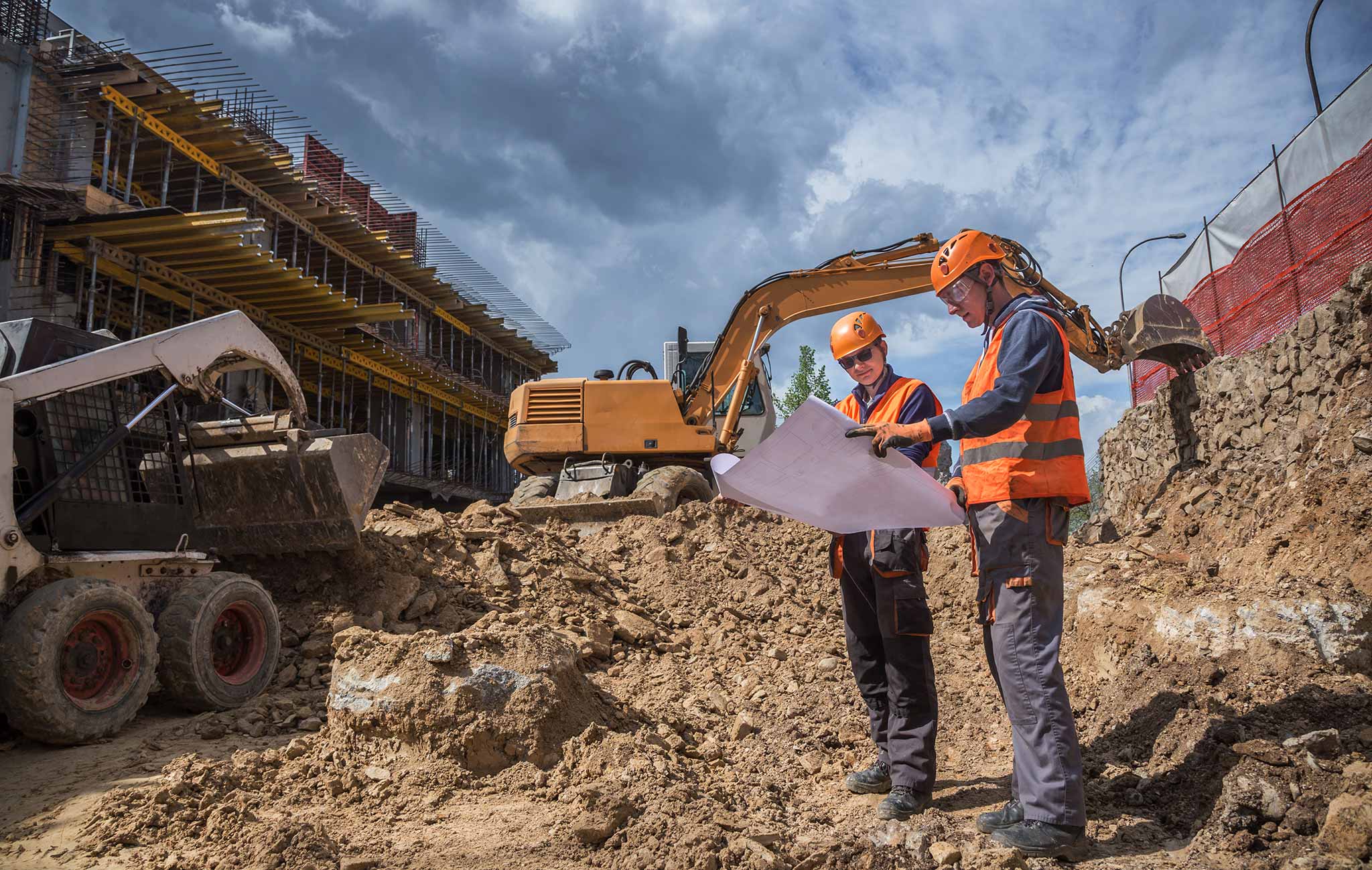



Who is a Civil Engineer?

A civil engineer is a professional who specialises in the design, construction, and maintenance of various infrastructure projects that are essential for modern society. Civil engineers play a crucial role in shaping the modern world by developing and maintaining the infrastructure that supports societal needs and global economic development.
Skills and Qualifications to Become a Civil Engineer
-
A bachelor's degree in civil engineering
-
Computational drafting and 3D modelling software proficiency
-
A deep understanding of mathematics, physics, and building material sciences
-
Strong analytical skills, detail-oriented, effective at communication and collaboration
What Does a Civil Engineer Do?
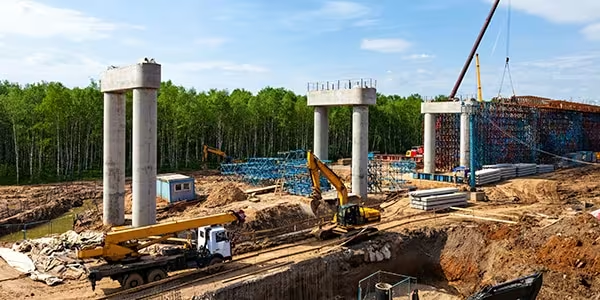
Civil engineers are responsible for conceptualising and creating structures such as buildings, roads, bridges, and water systems. Their scope of work includes overseeing the end-to-end construction process and utilising their technical expertise to solve complex challenges.
They work closely with other professionals, such as architects, urban designers, urban planners, environmental scientists, and government agencies, to ensure that projects are aesthetically appealing, structurally viable, energy efficient, and sustainable.
Read more: Top 7 Emerging Trends in Civil Engineering
Types of Specialisations in Civil Engineering

The profession of civil engineering has a plethora of niche categories. Let’s look at the most prominent specialisation fields for civil engineers.
1. Structural Engineering
It focuses on designing and analysing built structures to ensure they can withstand various loads and environmental conditions.
2. Geotechnical Engineering
Geotechnical engineering involves studying soil and rock properties to design foundations, tunnels, and earthworks.
3. Transportation Engineering
It deals with designing and planning transportation systems, including roads, highways, railways, airports, and urban transportation networks.
4. Water Resources Engineering
It concentrates on managing water resources, including designing dams, flood control systems, and water distribution networks.
5. Environmental Engineering
It addresses environmental issues related to construction and infrastructure, such as waste management, pollution control, and sustainability.
6. Construction Management
It focuses on the planning, coordination, and execution of construction projects, ensuring they are completed on time and within budget.
7. Coastal and Ocean Engineering
It involves designing structures and systems to manage coastal erosion, sea-level rise, and other ocean-related challenges.
8. Materials Engineering
It studies the properties and behaviour of construction materials like concrete, steel, and asphalt and develops new materials for enhanced performance.
Salary of a Civil Engineer
The pay scale of civil engineers can vary significantly based on factors such as experience, location, specialisation, and industry demand. Let’s look at the average salaries of civil engineers in different countries:
1. United States (US)
The average annual salary for civil engineers in the US is around $79,906. Also, Know Civil engineer Salary in different cities of USA including New York, California, Texas and Los Angeles.
2. United Kingdom (UK)
Civil engineers in the UK earn an average annual salary of about £38,633 (Source: Glassdoor)
3. United Arab Emirates (UAE)
The average salary for civil engineers in the UAE is about AED 180,000 (Source: Glassdoor)
4. India (IN)
In India, civil engineer salaries can range from ₹3,00,000 to ₹6,00,000 per year. (Source: Payscale)
Why Should Civil Engineers Invest in Upskilling?

Learning cutting-edge tools and processes such as Building Information Modeling (BIM), 3D printing, robotics, Artificial Intelligence (AI), computational design, and digital fabrication can help civil engineers stay relevant in the profession. It can help streamline workflows, optimise resource utilisation, speed up construction, and save project costs.
Today, online courses for civil engineers present an excellent opportunity for upskilling without the effort of physically visiting an institution. The digital space has many self-paced certification courses for civil engineers that provide practical insights, hands-on learning, and industry training at an affordable cost. Let’s have a look at some of the additional reasons why civil engineers should invest in upskilling :
1. Increased earning potential
2. Competitive edge in job markets
3. Filling skill gaps
Which Software Civil Engineers Must Learn for Better Job Prospects?
1. Civil 3D
It is a comprehensive civil engineering design and documentation software, enabling engineers to efficiently design, analyze, and document various civil engineering projects such as roads, highways, land development, and more. The software also facilitates seamless integration with geographic information system (GIS) data, allowing engineers to incorporate real-world geographical data into their designs.
2. Revit
Revit is a leading BIM software widely used by architects, civil engineers, and construction professionals for designing and documenting building projects. It provides an integrated design environment that supports interdisciplinary collaboration and coordination. The software's parametric modelling capabilities allow users to create intelligent building components that can be easily modified and updated throughout the project lifecycle.
3. Tekla Structures
Tekla Structures is a BIM software tailored for structural engineers, contractors, and structural engineers. It enables users to create detailed 3D models of steel, concrete, and timber structures with accurate material information. The software excels in clash detection, helping identify coordination issues early in the design phase to prevent construction errors and delays.
4. Infraworks
InfraWorks is a specialized BIM software designed for infrastructure design and engineering projects. It enables engineers to create 3D models of roads, bridges, drainage systems, and other civil infrastructure. InfraWorks is particularly useful for developing conceptual designs and feasibility studies using real-world data and visualizations.
5. ETABS
ETABS (Extended Three-dimensional Analysis of Building Systems) is a software for structural analysis and design of buildings. It is widely used for modelling and analyzing complex structural systems subjected to static and dynamic loads. ETABS enables engineers to perform linear and nonlinear analysis, ensuring compliance with international building codes and standards for seismic and wind design.
Related Read - 10 Best Civil Engineering Software Courses in India
What are the Benefits of Online Courses for Civil Engineers?

Digitalisation has made upskilling easier and more economical. Some of the best courses for civil engineers to upskill are available online. Let’s have a look at how online courses are proving to be helpful.
1. Flexibility and Convenience
Online courses allow civil engineers to learn at their own pace and on their schedule. This is vital in a profession where project deadlines and site visits often dominate the calendar; the convenience of accessing course materials anytime, anywhere proves invaluable.
2. Engaging Learning Experience
Unlike misconceptions, online courses are not solitary endeavours. Many platforms offer interactive features such as capstone projects, webinars, and industry engagement sessions. Professionals can engage in discussions with peers, seek instructor guidance, and even simulate on-site scenarios, creating a holistic learning experience.
3. Cost-Effective
Compared to traditional classroom-based education, the best courses for civil engineers often come at a fraction of the cost. This affordability democratises access to high-quality education, making it feasible for civil engineers from distinct backgrounds to enrich their skill sets without dipping deep into their savings.
4. Global Networking and Collaboration
Online courses transcend geographical boundaries, providing opportunities to connect with peers, mentors, and experts worldwide. Engaging in global discussions and collaborating on projects with professionals of diverse backgrounds can broaden perspectives and spark innovative solutions to complex challenges.
6 Best Online Courses for Civil Engineers

In the digital world, civil engineers can choose from plenty of courses and learn advanced CAD software. But, based on our research and industry understanding, here are the top 6 civil engineering courses available online to increase your income as a Civil engineer in 2026.
1. BIM Professional Course for Civil Engineers by Novatr
Mode: Online
Duration: 7 months
BIM Professional Course for Civil Engineers by Novatr is an 7-month course curated especially for engineers to upskill in industry-relevant skills. This is a cohort-based course that provides complete knowledge about BIM workflows and software. The course curriculum includes BIM software training, material quantification, project management, and construction sequencing. As one of the best courses for civil engineers, it includes many hands-on exercises to help the learners practise their skills.
Here's what you'll in detail with Novatr:
- 5+ industry softwares, including Autodesk Revit, Navisworks, Autodesk Construction Cloud: Docs, Coordination & Collaboration.
- Master essential plugins such as EF-Tools, DiRoots.One, pyRevit, ProSheets, Issue and Model Checker for Revit to automate documentation and improve precision.
- Learn complete BIM workflows, from digital design development, estimation & BOQ, and information modeling to clash detection, sequencing, and multidisciplinary coordination.
- Get hands-on experience working on real commercial and residential projects following ISO 19650 standards, guided by mentors from the global AEC industry.
- Develop professional construction documentation, audits, and deliverables aligned with international BIM practices.
Earn globally recognized certifications:
- Novatr Course Certificate, signed by the Academic Director.
- Autodesk User Certification, validating your command over Autodesk tools.
- NSDC Certificate, officially recognizing your BIM expertise.
- Optional Specialization Certificates, for learners who wish to deepen their skills in niche BIM applications.
2. Structural Engineering: Analysis and Design by Coursera
Mode: Online
Duration: 6 Weeks
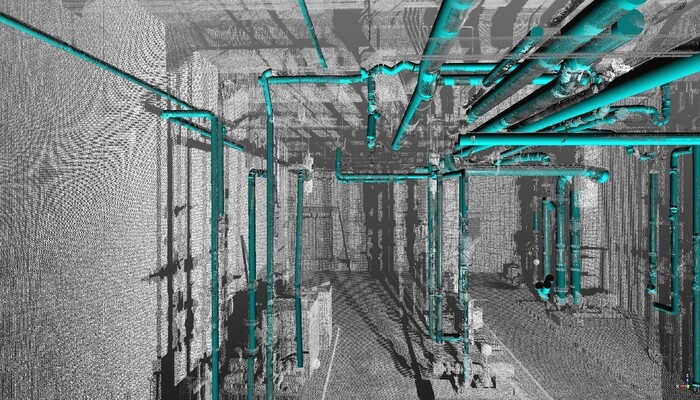
Offered by Coursera in association with the Delft University of Technology, this course provides a solid foundation in structural engineering. The course syllabus covers essential concepts like load analysis, bending moments, and shear forces. As one of the best courses for civil engineers, this one guides learners through analysing and designing structural elements such as beams, columns, and connections.
Also Read: BIM in Civil Engineering: A Civil Engineer's Successful Journey to BIM
3. Introduction to Construction Management by edX

Mode: Online
Duration: 10 Weeks
This course is offered by edX in association with Columbia University. Touted as one of the best courses for civil engineers, it introduces learners to the fundamentals of construction project management. Covering concepts such as project planning, scheduling, budgeting, risk management, and communication, this course provides end-to-end knowledge of everything that can go right and wrong on a site.
4. Geotechnical Engineering Course for Civil Engineers by Udemy
Mode: Online
Duration: Self-Paced
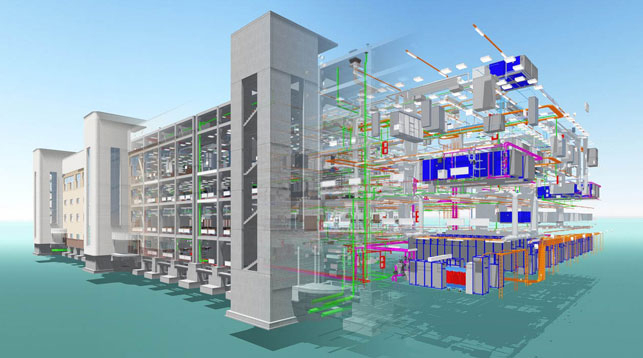
Taught by a practising geotechnical engineer, this Udemy programm is one of the best courses for civil engineers. It offers a comprehensive overview of geotechnical design principles, soil mechanics, and foundation design. By enrolling in the course, learners can understand soil properties, site investigations, and the behaviour of soils under different conditions.
5. Sustainable Construction and Design by Coursera

Mode: Online
Duration: 6 Weeks
Offered by Coursera in collaboration with Stanford University, it is an advanced civil engineering course focuses on sustainable design practices in construction. The course syllabus covers environmentally friendly materials, energy-efficient design strategies, and integrating sustainability principles into the construction process. As one of the best courses for civil engineers, it provides insights into green building certification systems.
6. Transport Engineering and Planning by Coursera

Mode: Online
Duration: 6 Weeks
This Coursera course, offered by the University of Washington, provides a deep dive into the field of transportation engineering and planning. The course covers a wide range of topics essential for understanding and designing efficient transportation systems in urban environments. Participants will explore principles of transportation planning, traffic flow analysis, sustainable transportation, and urban mobility.
4 Short term courses after civil engineering
Apart from these long duration courses, civil engineers can also undertake some additional short-term courses to upskill their skillset.
1. Civil Engineering Fundamentals of Structural Design
Duration - Not Defined
Mode - Online
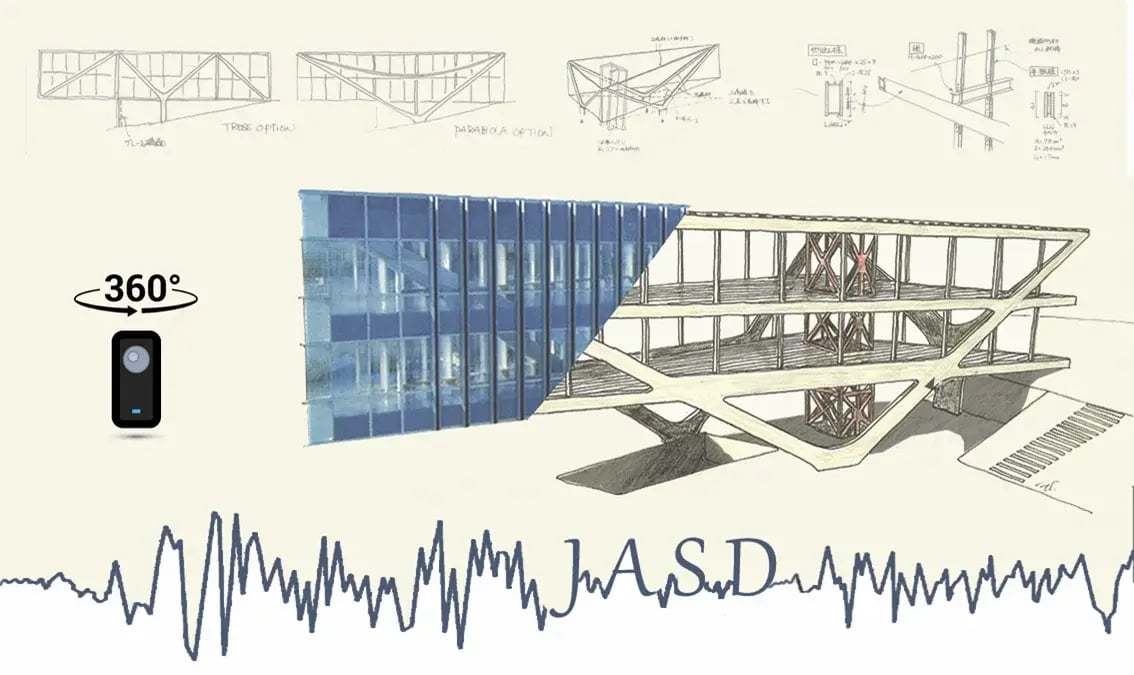
This course by edX provides a comprehensive overview of structural design which is a fundamental subject in civil engineering. Consisting of six full graduate-level classes, which provide an expert-level understanding of its topics.
2. Construction Methodology Basics in Civil Engineering
Duration - 46 hours
Mode - Online
Providing a strong overview through each module, this course focuses on the practical application needed in civil engineering. Learners explore construction management, quantity surveying and more.
3. Construction Management Specialisation

Duration - 10 hours/week for 3 months
Mode - Online
Authored by Columbia University’s engineering department, this course is offered through Coursera. From project scheduling to cost estimation, how to manage a construction site to technological trends in construction industry, this course covers it all.
4. Autodesk Certified Professional: AutoCAD for Design and Drafting Exam Prep
Duration - Not Defined
Mode - Online
This course focuses on two main aspects of AutoCAD for civil engineering, design and drafting. Again provided by Coursera, learners gain the knowledge of drawing and editing objects in AutoCAD, drawing management technique and more.
In Conclusion
Civil engineering continues to evolve with digital tools, sustainable practices, and global project demands. Choosing the right course can accelerate your career by strengthening your technical capabilities, software expertise, and understanding of modern workflows. Explore course options aligned with your specialisation and long-term career goals to gain a competitive advantage.
One course that can redefine your professional graph is BIM Professional Course for Civil Engineers by Novatr. Explore the course today!
Frequently Asked Questions:
1. Which software tools should civil engineers learn?
Civil 3D, Revit, ETABS, Infraworks, and Tekla are among the most valuable tools for modern civil engineering roles.
2. Are online civil engineering courses useful for freshers?
Yes, they offer practical skills, flexibility, and industry-relevant training that help freshers become job-ready.
3. What is the average salary after completing these courses?
Salaries vary by country, but skilled civil engineers typically earn higher packages due to specialised expertise.
4. Which countries hire civil engineers the most?
The US, UK, UAE, Canada, Australia, and Germany have strong demand for civil engineers.
5. Which short-term courses help boost career growth?
AutoCAD certification, construction management basics, structural fundamentals, and BIM-focused short programs provide quick career benefits.