---
title: "M.Tech vs BIM Certification: Civil Career Guide 2026"
description: Compare M.Tech and BIM certification for civil engineering growth. Learn about industry demand, salary trends, and finding the fastest path to a job.
image: https://blog.novatr.com/hubfs/A%20civil%20engineer%20comparing%202D%20blueprints%20with%20a%20layered%203D%20building%20information%20model%20on%20a%20computer%20monitor..jpg
---
[Blogs](https://www.novatr.com/learning-hub)
- [Architecture & Construction](https://www.novatr.com/learning-hub?category=Architecture+%26+Construction)
- [BIM](https://www.novatr.com/learning-hub?category=BIM)
- [Computational Design](https://www.novatr.com/learning-hub?category=Computational+Design)
- [Company News](https://www.novatr.com/learning-hub?category=Company+News)
- [Expert Talks](https://www.novatr.com/learning-hub?category=Expert+Talks)
Explore Courses
[Just Launched  BIM Professional Program v.2026 Take your career to the next level by mastering the real-world application of BIM. Know More](https://www.novatr.com/courses/bim-professional-program)
[ Master Computational Design Course Break into an advanced career by learning to apply the power of computation to the art of design. Know More](https://www.novatr.com/courses/computational-design)
[Blogs](https://www.novatr.com/learning-hub)
Explore Blogs
- [Architecture & Construction](https://www.novatr.com/learning-hub?category=Architecture+%26+Construction)
- [BIM](https://www.novatr.com/learning-hub?category=BIM)
- [Computational Design](https://www.novatr.com/learning-hub?category=Computational+Design)
- [Company News](https://www.novatr.com/learning-hub?category=Company+News)
- [Expert Talks](https://www.novatr.com/learning-hub?category=Expert+Talks)
Courses
- [BIM Professional Program v.2026](https://www.novatr.com/courses/bim-professional-program)
- [Master Computational Design](https://www.novatr.com/courses/computational-design)
- [BIM/](https://www.novatr.com/learning-hub?category=BIM)
Featured Article
# M.Tech vs BIM Certification: Which Offers Better Career Growth?

Deependra Dobriyal
June 22, 2026
4 min read
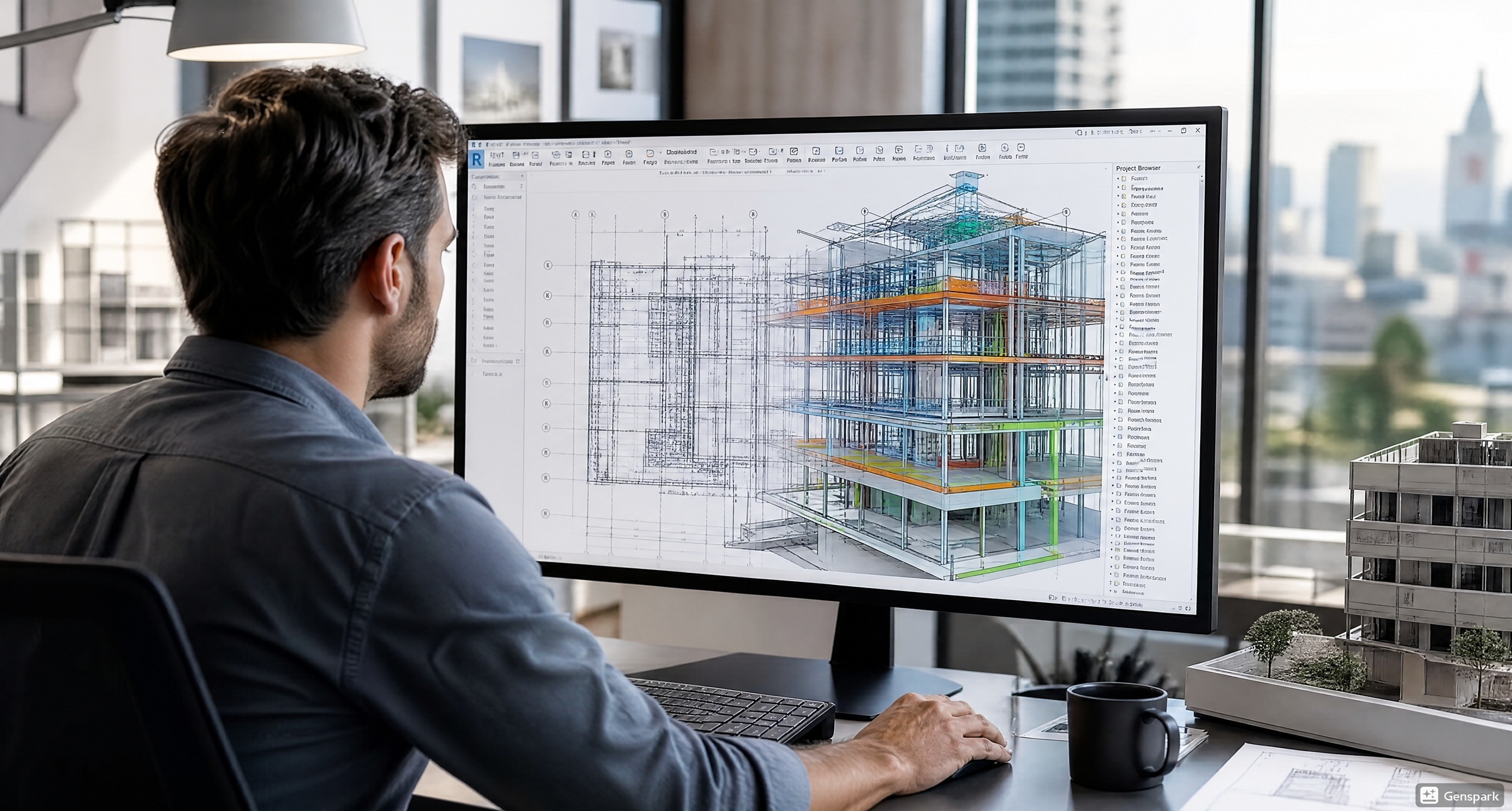

Decades of standard post-graduation choices following a civil engineering degree were to go for the Masters. The post civil engineering degree option for decades was to pursue the Masters. The construction industry, however, is moving with a fast pace towards digital tools. Indeed, the size of the global BIM market is projected to reach [$29.9](https://www.imarcgroup.com/building-information-modeling-market#:~:text=projected%20to%20reach-,USD%2029.9%20Billion,-by%202034%2C%20expanding) billion in 2034, compared to [$9.8](https://www.imarcgroup.com/building-information-modeling-market#:~:text=was%20valued%20at-,USD%209.8%20Billion,-in%202025%20and) billion in 2025. This quick change is putting conventional academic degrees in competition with specialized and practical training programs. As a result, now new entrants and professionals alike have to select between deep academic study and quick advancement in their technical skills to get jobs.
## **Key Takeaways**
- **M.Tech after civil engineering** is ideal for research, academic, specialized engineering design, and some public sector positions.
- **BIM certification** emphasizes hands-on, industry-relevant skills, and it can make an engineer ready for the job in a matter of months.
- Employers are also looking for hands-on practical experience with **BIM software** and clash detection, plus digital construction processes, in addition to academic credentials.
- More and more, **digital construction technologies** are getting traction, which is pushing the need for BIM careers and opening up opportunities in the India and international markets.
- **BIM certified professionals** can enjoy quicker career development and competitive salary increases for many private-sector jobs, compared to the traditional entry-level engineering job.
Unlock High-Paying Careers With BIM
Master BIM workflows, software and skills on real projects.
Apply Now
\*Limited seats available
## **Why Do Civil Engineers Choose M.Tech After Graduation?**
It was believed for many years that it was a normal path to go for an **M.Tech after civil engineering**.
There are a number of reasons why civil engineering graduates tend to opt for a master's degree:
- **Academic and Research Positions:** Postgraduate qualifications are essential for academic and research work at a university.
- **Structural Design Specialization:** An M.Tech gives rich background training on particular things such as structural mechanics, geotechnical design or hydraulic systems.
- **Public Sector Opportunities:** There are a number of engineering departments in the public sector which are keen to appoint individuals who have post-graduate qualifications for senior positions.
Textbooks and static theoretical problems are a key part of most university curricula. The result is that students may leave school without a solid grasp of the use of the current tools of the digital world in a real construction environment, creating a major hurdle for a long-term **career after M.Tech civil engineering**.
## **What Skills And Career Opportunities Does BIM Certification Offer?**
**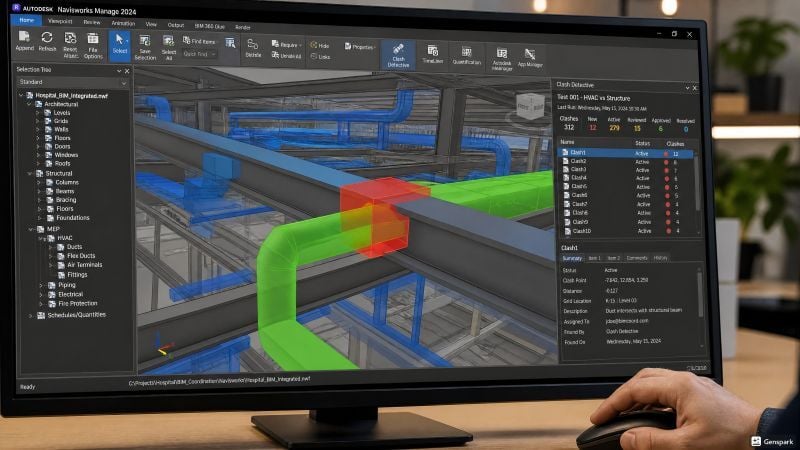**
A professional **BIM certification** underlines the skills that are actually needed in real life by today's employers.
A civil engineer’s extensive **BIM course for civil engineers** emphasizes a wide spectrum of skills, like:
- **Advanced Modeling:** Getting really good at creating accurate 3D models, loaded with data, for structures and buildings.
- **Clash Detection:** How to utilize specific **BIM Software** to identify design issues prior to construction on site.
- **Information Management:** Organizing and structuring project information to the international standard such as ISO 19650.
## **Which Path Offers Stronger Salary Growth And Industry Demand?**
The market is overwhelmingly in favor of modern technical skills if compared with that of the traditional skills of **M.Tech vs BIM**. The traditional construction design jobs are already the most sought-after.
The trends highlight a clear difference:
- **Immediate Demand:** The construction sector around the world is digitizing its processes to reduce construction delays and material waste. This has resulted in **digital construction careers** growth.
- **Salary Trajectory:** At the beginning, an entry level structural engineer might take home less, but then an engineering professional with strong digital skills can get a premium. This talent shortage has led to a gradual increase in the average **BIM engineer salary in India**.
- **Traditional Engineering Codes:** Traditional engineering codes differ across countries. Digital building standards are global however, though, it is a lot simpler for accredited professionals to secure overseas work.
## **Can BIM Certifications Help Engineers Become Job-Ready Faster?**
Time is an important factor when it comes to choosing alternate **courses after btech civil engineering**.
Here's an exclusive certification that reduces this time:
- **Short-Term Investment:** The duration of training is ranging from a few months to half a year which enables you to join the job market faster.
- **Practical Portfolios:** You spend your time developing a portfolio of actual projects rather than writing a thesis that you'll present to hiring managers.
- **Relevant Software Toolsets:** You learn the very software tools utilized by premier design firms, without any of the boring instruction that you typically find in traditional colleges.
A young graduate seeking a quick and practical course will get precisely the **skills for future civil engineers** that an employer will expect from a civil engineer in the future, without any delay.
## **Who Should Choose M.Tech And Who Should Choose Bim?**

These are the people that the M.Tech program is best suited for:
- Engineers seeking careers in teaching, research or in the public sector in the job of a corporate engineer.
- Engineers who are interested in detailed structural calculations and would like to focus entirely on the principles of basic design.
A specialist digital certification is the perfect match for:
- Freshers who are looking to get a good job in the private sector.
- Engineers seeking to make a career change and continue working in the field to earn a living while moving to an office consulting position.
Master BIM and Get Hired Faster
Join a community of 8500+ Architects and Engineers.
Explore Now
\*Limited seats available
## **Conclusion**
The decision of a master's degree versus certification is a career choice that will depend entirely on where you intend to work. If you like research, the conventional way is the only way. But if you're looking for a speedy job that pays well and works for companies around the world, then learning digital processes is the best route to take.
For instance, you can check out the [BIM Professional Program](https://www.novatr.com/courses/bim-professional-program?utm_source=organic_search&utm_medium=blog&utm_campaign=m.tech-vs-bim-certification-civil-career-guide) from [Novatr](https://www.novatr.com/). It gives you hands-on training, more real life projects and active industry mentors, so you can get that practical edge you need to impress today's employers.
You can also peek at the [resource page](https://www.novatr.com/learning-hub) for extra insights.
## **FAQs**
### **1. Is BIM better than M.Tech for civil engineers?**
This will depend on the career goals you have. If you're interested in a quick route to private industry careers, global opportunities, and modern digital construction jobs, then BIM is for you. M.Tech is preferable if you wish to enter into University teaching or research or Government engineering jobs.
### **2. Can I pursue BIM without doing M.Tech?**
Yes. Immediately after completion of your B.Tech or B.E. in civil engineering, you can join a professional BIM course.
### **3. Which option offers better salary growth?**
The salary growth is quicker in the earlier years of BIM roles as compared to the AEC industry, because of the high demand and scarcity of digital skills in the AEC industry.
### **4. Is BIM a good career option for freshers?**
Yes, that's a great choice. Freshers with a grasp of clash detection, cloud collaboration tools and modelling software are greeted with real design projects from the get-go and they are highly sought after by corporate recruiters.
Was this content helpful to you
Like Yes
Dislike No

TABLE OF CONTENTS
BIM Is The New Standard. Are You Certified?
Get Certified in BIM
SHARE ON YOUR SOCIALS
Link Copied Successfully
Related articles
[ BIM Should Civil Engineers Do an M.Tech After Graduation? 23 June 2026 6 min read](https://blog.novatr.com/blog/should-civil-engineers-do-an-m.tech-after-graduation) [ BIM Self-Learning BIM vs Structured BIM Course: What’s More Effective? 22 June 2026 6 min read](https://blog.novatr.com/blog/self-learning-bim-vs-structured-bim-course) [ BIM Civil Want to Work on Mеtro Projеcts? Lеarn Thеsе BIM Skills 28 May 2026 7 min read](https://blog.novatr.com/blog/bim-skills-for-metro-projects-and-infrastructure-careers) [.png) BIM Archi Best YouTube Channels, Courses & Communities to Learn SketchUp 30 April 2026 5 min read](https://blog.novatr.com/blog/best-resources-to-learn-sketchup)
Download Syllabus
## BIM Professional Program
Next Cohort
June 2026
Program Duration
7 Months
Premium Program benefits
8 Credentials from Autodesk, NSDC, Novatr
1 program. 10 career paths. Infinite Growth.
40+ ISO 19650 & RIBA real-world projects to practice
1-on-1 guidance. Access 400+ industry experts.
Access the biggest AEC-Tech community on the planet. 8500+ and counting
Curated for you by 100+ global BIM leaders.
Lifelong access to course content
Enter your details to download the program syllabus.
##### BIM Professional Program
June 2026, 7 Months
Your Name Invalid name.
Phone Number Enter a valid phone number
Email Please enter a valid email address.
Select years of experience\* Currently studying 0-1 years 1-2 years 2-4 years 4-8 years 8-10 years 10-12 years 12+ years Invalid selection.
Specialisation Select your background\* Architecture Civil Engineering Mechanical Engineering Electrical Engineering Invalid selection.
Are you professionally trained in interior design?
Yes
No
I agree to the [Terms of Use](https://www.novatr.com/terms-and-conditions) and [Privacy Policy](https://www.novatr.com/privacy-policy), and consent to be contacted by Email, Call, WhatsApp, or SMS.
Submit
Ready to skyrocket your career?
Begin your next chapter in AEC
with Novatr!
We are here to help you take the industry by storm with advanced, tech-first skills.
[Explore Courses](https://www.novatr.com/#courses)
Join our newsletter
Submit
Thank you for signing up.
We’ll send you a nice letter once per week. No spam.

Dare to Disrupt.
Join thousands of people who organise
work and life with Novatr.
Company
- [About Us](https://www.novatr.com/about)
- [BIM Professional Program v.2026](https://www.novatr.com/courses/bim-professional-program)
- [Masters Computational Design](https://www.novatr.com/courses/computational-design)
- [Become a Mentor](https://www.novatr.com/apply-as-mentor)
- [Hiring from Us](https://www.novatr.com/hire-from-us)
- [Careers at Novatr](https://www.novatr.com/career)
Resources
- [Blog](https://www.novatr.com/learning-hub)
- [Media Room](https://www.novatr.com/media-room-home-page)
- [Career Builder](https://www.novatr.com/career-navigator)
- [Events & Webinars](https://www.novatr.com/webinars)
- [FAQs & Support Center](https://www.novatr.com/contact-us)
- [Contact Us](https://www.novatr.com/contact-us)
- [Privacy Policy](https://www.novatr.com/privacy-policy)
- [Terms of Use](https://www.novatr.com/terms-and-conditions)
©2023 Oneistox Network Pvt. Ltd.
All Rights Reserved
```json
{
"@context" : "https://schema.org",
"@type" : "BlogPosting",
"author" : {
"@type" : "Person",
"name" : "Deependra Dobriyal",
"url" : "https://blog.novatr.com/blog/author/deependra-dobriyal"
},
"dateModified" : "2026-06-23T06:29:18.210Z",
"datePublished" : "2026-06-22T05:34:57.000Z",
"headline" : "M.Tech vs BIM Certification: Civil Career Guide {{year}}",
"image" : [ "https://blog.novatr.com/hubfs/A%20civil%20engineer%20comparing%202D%20blueprints%20with%20a%20layered%203D%20building%20information%20model%20on%20a%20computer%20monitor..jpg" ],
"mainEntityOfPage" : {
"@id" : "https://blog.novatr.com/blog/m.tech-vs-bim-certification-civil-career-guide",
"@type" : "WebPage"
},
"publisher" : {
"@type" : "Organization",
"logo" : {
"@type" : "ImageObject",
"url" : "https://blog.novatr.com/hubfs/Novatr%20Prev%20OX-2.svg"
}
}
}
```