---
title: Innovative Low-Carbon Materials in MEP Engineering 2026
description: Explore how low-carbon MEP materials drive sustainability, reduce embodied carbon, and enhance efficiency in building systems and long-term performance.
image: https://blog.novatr.com/hubfs/Low-Carbon%20Materials%20Revolutionizing%20MEP%20Engineering.png
---
[Blogs](https://www.novatr.com/learning-hub)
- [Architecture & Construction](https://www.novatr.com/learning-hub?category=Architecture+%26+Construction)
- [BIM](https://www.novatr.com/learning-hub?category=BIM)
- [Computational Design](https://www.novatr.com/learning-hub?category=Computational+Design)
- [Company News](https://www.novatr.com/learning-hub?category=Company+News)
- [Expert Talks](https://www.novatr.com/learning-hub?category=Expert+Talks)
Explore Courses
[Just Launched  BIM Professional Program v.2026 Take your career to the next level by mastering the real-world application of BIM. Know More](https://www.novatr.com/courses/bim-professional-program)
[ Master Computational Design Course Break into an advanced career by learning to apply the power of computation to the art of design. Know More](https://www.novatr.com/courses/computational-design)
[Blogs](https://www.novatr.com/learning-hub)
Explore Blogs
- [Architecture & Construction](https://www.novatr.com/learning-hub?category=Architecture+%26+Construction)
- [BIM](https://www.novatr.com/learning-hub?category=BIM)
- [Computational Design](https://www.novatr.com/learning-hub?category=Computational+Design)
- [Company News](https://www.novatr.com/learning-hub?category=Company+News)
- [Expert Talks](https://www.novatr.com/learning-hub?category=Expert+Talks)
Courses
- [BIM Professional Program v.2026](https://www.novatr.com/courses/bim-professional-program)
- [Master Computational Design](https://www.novatr.com/courses/computational-design)
- [MEP/](https://www.novatr.com/learning-hub?category=BIM)
Featured Article
# Low-Carbon Materials Revolutionizing MEP Engineering

Neha Singh
February 13, 2026
5 min read
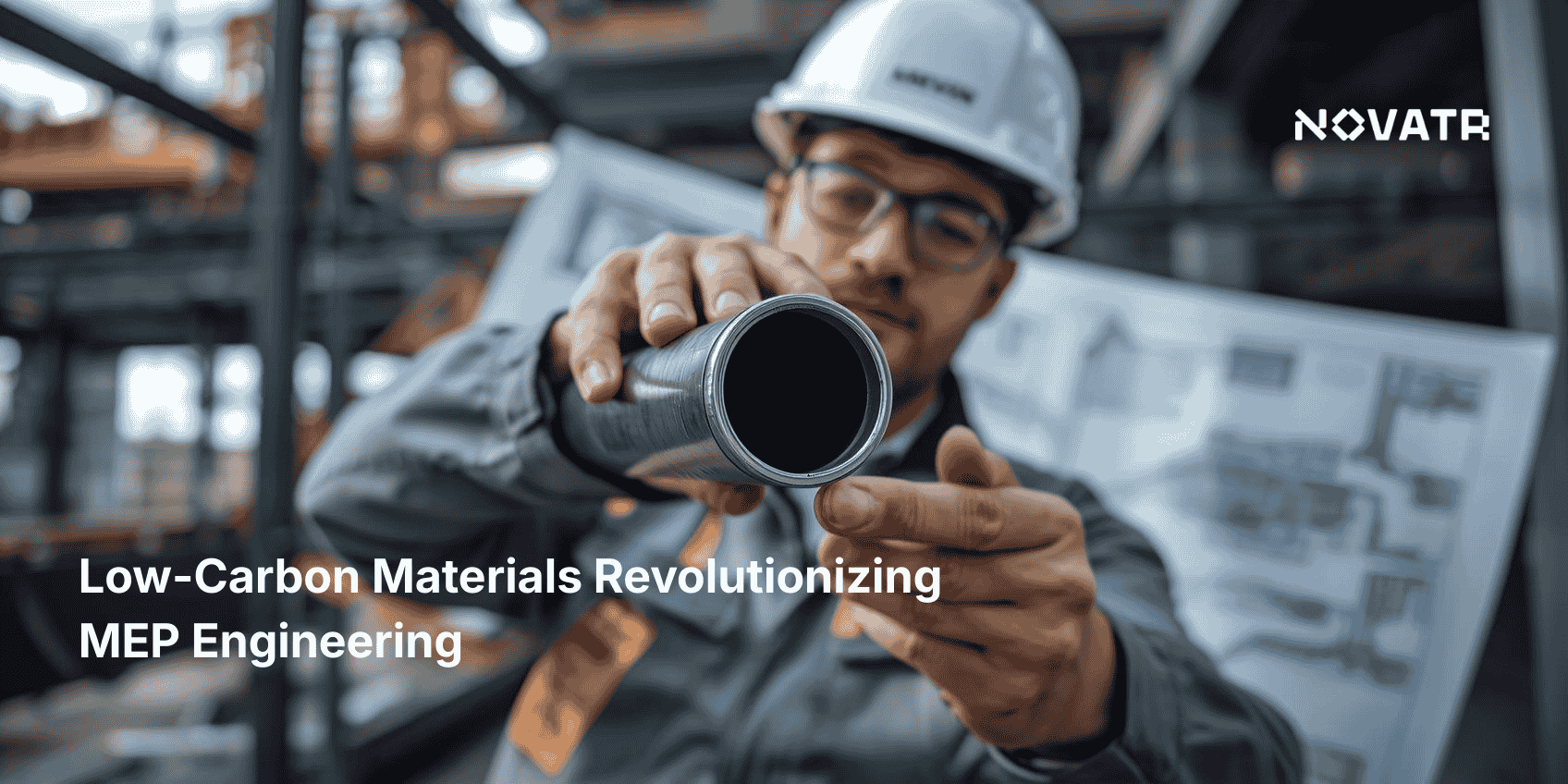

Modern building projects are increasingly adopting low-carbon materials to reduce environmental impact and improve system performance. In sustainable MEP engineering, innovative designs and materials enhance energy efficiency while supporting long-term operational goals. An MEP Project Engineer in the U.S. focusing on low-carbon building systems earns around [$92,358](https://www.ziprecruiter.com/Salaries/Mep-Project-Engineer-Salary) per year, reflecting the specialized skills required for advanced construction technologies.
Buildings now rely on eco-friendly insulation materials to lower embodied carbon while maintaining effective thermal control. These materials support energy savings and environmental compliance without compromising building functionality. Their integration into mechanical, electrical, and plumbing networks offers measurable improvements in efficiency, lifespan, and performance, helping engineers meet green standards while reducing the overall environmental footprint of modern construction projects.
Unlock High-Paying Careers With BIM
Master BIM workflows, software and skills on real projects.
Apply Now
\*Limited seats available
## **What Low-Carbon Materials Are Emerging in MEP Engineering Today?**
Modern building systems are increasingly designed to reduce carbon emissions and improve energy efficiency. Engineers are adopting new solutions that minimize embodied carbon while supporting consistent system performance. By integrating emerging low-carbon materials in MEP engineering, projects can achieve greener standards and long-term operational benefits, helping buildings meet environmental goals without compromising structural or functional requirements.
Here are some key low-carbon materials gaining traction in current MEP projects:
- **Spray Polyurethane Foam Insulation:** Helps reduce energy use and overall carbon footprint when sourced as low-GWP or bio-based foam.
- **Aluminum Composite Panels:** Made with high recycled content, widely used as green building materials for sustainable façades.
- **Cellulose Insulation:** Created from recycled paper, providing efficient thermal performance with lower environmental impact.
- **PVC-Free and Halogen-Free Wires:** Produce environmentally friendly cabling that limits harmful chemicals in electrical systems.
- **Recycled Rubber Components:** Used in flooring, gaskets, or fittings to reduce dependence on new materials and lower carbon emissions.
## **How Are Eco-Friendly Insulation Materials Reducing Embodied Carbon?**
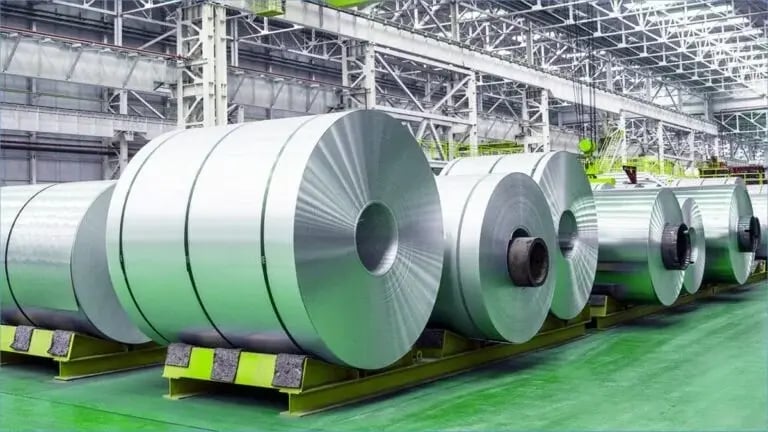
Buildings today focus on lowering their environmental impact while maintaining energy efficiency. Eco-friendly insulation reducing embodied carbon helps minimize the material footprint and supports long-term energy savings. These solutions integrate into heating, cooling, and water systems while contributing to greener building performance and meeting sustainability goals.
The following factors show how these insulation materials help reduce carbon emissions:
- Using recycled or renewable raw materials reduces the carbon emissions associated with production.
- Low-GWP foams and bio-based products minimize greenhouse gas release during manufacturing.
- Products designed under material sustainability standards ensure reduced environmental impact and verified performance.
- High thermal efficiency lowers operational energy needs, indirectly reducing overall carbon output.
- Lightweight insulation decreases transportation emissions and simplifies installation energy requirements.
- Integrating insulation into building systems contributes to MEP embodied carbon reduction in energy and water operations.
## **Which Sustainable Piping Materials Offer Durability With Lower Environmental Impact?**
Sustainable piping materials are transforming how buildings manage energy, water, and heating systems while lowering environmental impact. By using sustainable piping options for modern MEP systems, engineers can reduce embodied carbon, minimize maintenance needs, and improve overall system efficiency.
The following materials are commonly used in low-impact piping:
- **Cross-Linked Polyethylene (PEX):** Lightweight, flexible piping that performs well in low-carbon piping systems.
- **High-Density Polyethylene (HDPE):** Recyclable piping with a long service life and reduced environmental impact.
- **Copper Alternatives:** Lower-carbon metals or alloys that maintain heat transfer efficiency.
- **Polypropylene (PP-R):** Chemical-resistant piping suitable for hot and cold water systems.
- **Stainless Steel with Recycled Content:** Strong piping made with recycled materials to reduce carbon footprint.
## **Did You Know?**
In 2026, the global market for low‑carbon construction materials is projected to reach about [$306.52 billion](https://www.thebusinessresearchcompany.com/report/low-carbon-construction-materials-global-market-report), driven by rising demand for sustainable alternatives that lower environmental impact in building projects.
## **How Are Low-Carbon Cabling and Electrical Components Transforming Building Sustainability?**
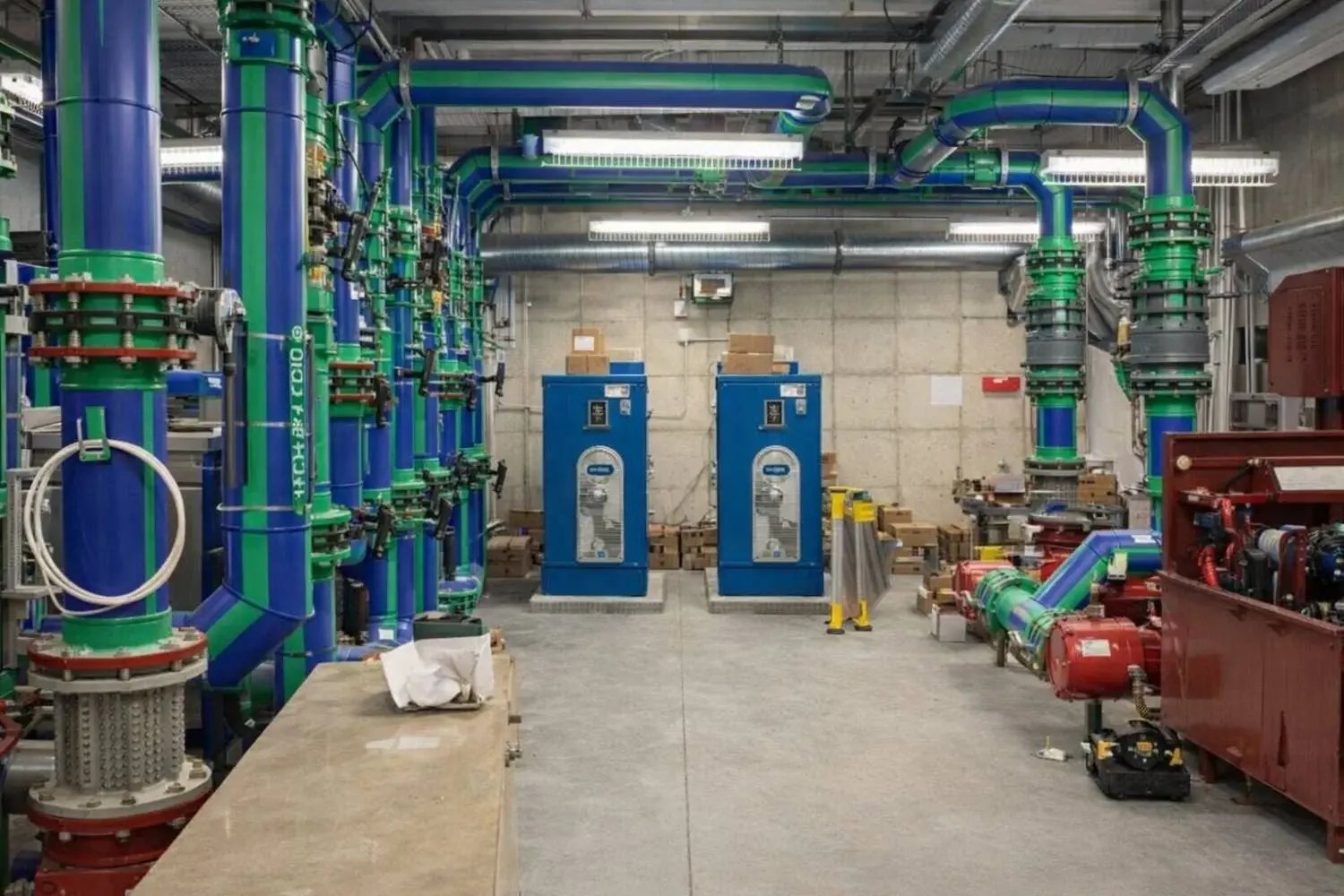
Buildings today focus on reducing energy use and environmental impact while maintaining safe, efficient electrical systems. Low-carbon cabling and electrical components for buildings help achieve this by lowering emissions, integrating seamlessly with modern systems, and supporting long-term energy strategies, contributing to greener, more efficient infrastructure.
The following aspects show how these components transform building sustainability:
- Reduce energy losses during operation, which lowers electricity consumption and enhances overall building efficiency.
- Minimize harmful chemical emissions, creating healthier indoor environments and reducing environmental risks.
- Adhere to standards for sustainable electrical components to ensure compliance with green building requirements and promote environmentally responsible systems.
- Enable easier system upgrades and replacements, decreasing material waste and future environmental impact.
- Improve monitoring and control of energy use, helping buildings track consumption and optimize efficiency in real time.
- Demonstrate how low-carbon materials improve lifecycle performance, contributing to cost savings and a smaller environmental footprint.
## **What Role Do Material Standards and Certifications Play in Validating Low-Carbon Choices?**
Material standards and certifications provide independent verification of environmental claims, helping engineers make informed decisions. Material certifications for sustainable MEP systems confirm product quality, safety, and adherence to low-carbon principles. These standards support consistent evaluation of materials, enabling designers and contractors to meet regulatory and sustainability goals confidently.
The following factors illustrate how standards and certifications validate low-carbon choices:
- Confirm products meet established environmental and carbon reduction benchmarks.
- Ensure consistency in manufacturing processes to maintain low-carbon performance.
- Provide third-party verification of claims for regulatory compliance and project reporting.
- Facilitate comparison of materials, supporting informed decisions in design and procurement.
- Encourage adoption of low-carbon solutions for HVAC piping and insulation in building systems.
- Promote accountability and traceability across the supply chain for sustainable construction.
## **How Do These Materials Influence Lifecycle Performance and Long-Term Operational Savings?**
***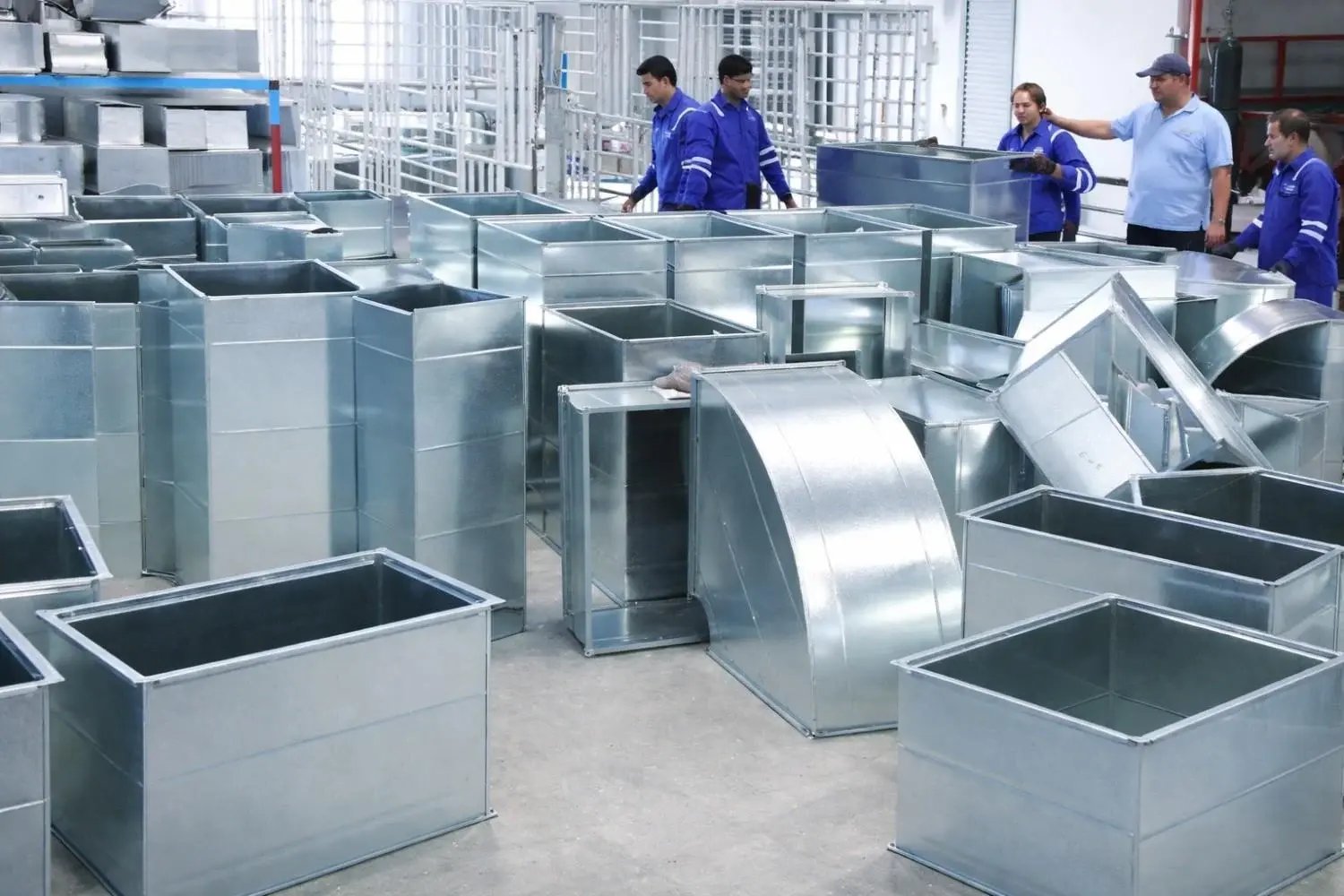***
Buildings increasingly adopt materials that balance environmental responsibility with efficiency over time. The use of advanced components helps optimize energy and resource use throughout a structure’s lifecycle. The environmental impact of alternative MEP materials is considered in design and installation, ensuring reduced emissions, improved operational efficiency, and lower long-term costs.
The following aspects show how these materials affect lifecycle performance and operational savings:
- Reduce maintenance frequency and associated labor or replacement costs over the building’s life.
- Lower energy consumption by improving insulation, flow, or system efficiency.
- Minimize material waste during installation and future upgrades.
- Extend the service life of systems by reducing degradation under normal operating conditions.
- Support predictive monitoring and system adjustments for better resource management.
- Encourage environmentally responsible decision-making that lowers long-term operational expenses.
Master BIM and Get Hired Faster
Join a community of 8500+ Architects and Engineers.
Explore Now
\*Limited seats available
## **Conclusion**
Low-carbon materials are transforming building design by lowering environmental impact and reducing energy use over time. By carefully selecting these materials, engineers can achieve sustainability goals while supporting long-term operational savings and maintaining smooth, efficient workflows throughout a building’s lifecycle.
Advanced planning with MEP software helps evaluate material choices and optimize system design. The [BIM Course for MEP Engineers](https://www.novatr.com/us/courses/bim-for-mep-engineers) offered by [Novatr](https://www.novatr.com/us) provides valuable guidance for skill development and implementation. Visit our [resource page](https://www.novatr.com/learning-hub) to explore detailed guides, case studies, and updates that support informed decision-making and continuous learning in modern building projects.
## **FAQs**
### **1. What are low-carbon materials in the context of MEP engineering?**
Low-carbon materials are construction and system components designed to minimize greenhouse gas emissions during production, installation, and operation in MEP systems.
### **2. How do low-carbon materials help reduce a building’s overall carbon footprint?**
They lower embodied carbon and operational energy use, reducing the total emissions associated with a building’s lifecycle.
### **3. Which low-carbon materials are most commonly used in modern MEP systems?**
Common materials include eco-friendly insulation, recycled metals, low-carbon cabling, aluminum composite panels, and sustainable piping options.
Was this content helpful to you
Like Yes
Dislike No

TABLE OF CONTENTS
BIM Is The New Standard. Are You Certified?
Get Certified in BIM
SHARE ON YOUR SOCIALS
Link Copied Successfully
Related articles
[ MCD Carbon Negative Architecture: What It Is and How It Will Save Our Planet 10 April 2023 8 min read](https://blog.novatr.com/blog/carbon-negative-architecture) [ BIM Civil Want to Work on Mеtro Projеcts? Lеarn Thеsе BIM Skills 28 May 2026 7 min read](https://blog.novatr.com/blog/bim-skills-for-metro-projects-and-infrastructure-careers) [ Top MEP Consultants in Gurgaon 2026 12 September 2025 13 min read](https://blog.novatr.com/blog/top-mep-consultants-in-gurgaon) [.png) What Jobs Can You Get After Mastering AutoCAD Software? 20 April 2026 8 min read](https://blog.novatr.com/blog/what-jobs-can-you-get-after-mastering-autocad)
Download Syllabus
## BIM Professional Program
Next Cohort
June 2026
Program Duration
7 Months
Premium Program benefits
8 Credentials from Autodesk, NSDC, Novatr
1 program. 10 career paths. Infinite Growth.
40+ ISO 19650 & RIBA real-world projects to practice
1-on-1 guidance. Access 400+ industry experts.
Access the biggest AEC-Tech community on the planet. 8500+ and counting
Curated for you by 100+ global BIM leaders.
Lifelong access to course content
Enter your details to download the program syllabus.
##### BIM Professional Program
June 2026, 7 Months
Your Name Invalid name.
Phone Number Enter a valid phone number
Email Please enter a valid email address.
Select years of experience\* Currently studying 0-1 years 1-2 years 2-4 years 4-8 years 8-10 years 10-12 years 12+ years Invalid selection.
Specialisation Select your background\* Architecture Civil Engineering Mechanical Engineering Electrical Engineering Invalid selection.
Are you professionally trained in interior design?
Yes
No
I agree to the [Terms of Use](https://www.novatr.com/terms-and-conditions) and [Privacy Policy](https://www.novatr.com/privacy-policy), and consent to be contacted by Email, Call, WhatsApp, or SMS.
Submit
Ready to skyrocket your career?
Begin your next chapter in AEC
with Novatr!
We are here to help you take the industry by storm with advanced, tech-first skills.
[Explore Courses](https://www.novatr.com/#courses)
Join our newsletter
Submit
Thank you for signing up.
We’ll send you a nice letter once per week. No spam.

Dare to Disrupt.
Join thousands of people who organise
work and life with Novatr.
Company
- [About Us](https://www.novatr.com/about)
- [BIM Professional Program v.2026](https://www.novatr.com/courses/bim-professional-program)
- [Masters Computational Design](https://www.novatr.com/courses/computational-design)
- [Become a Mentor](https://www.novatr.com/apply-as-mentor)
- [Hiring from Us](https://www.novatr.com/hire-from-us)
- [Careers at Novatr](https://www.novatr.com/career)
Resources
- [Blog](https://www.novatr.com/learning-hub)
- [Media Room](https://www.novatr.com/media-room-home-page)
- [Career Builder](https://www.novatr.com/career-navigator)
- [Events & Webinars](https://www.novatr.com/webinars)
- [FAQs & Support Center](https://www.novatr.com/contact-us)
- [Contact Us](https://www.novatr.com/contact-us)
- [Privacy Policy](https://www.novatr.com/privacy-policy)
- [Terms of Use](https://www.novatr.com/terms-and-conditions)
©2023 Oneistox Network Pvt. Ltd.
All Rights Reserved
```json
{
"@context" : "https://schema.org",
"@type" : "BlogPosting",
"author" : {
"@type" : "Person",
"name" : "Neha Singh",
"url" : "https://blog.novatr.com/blog/author/neha-singh"
},
"dateModified" : "2026-02-13T11:40:52.714Z",
"datePublished" : "2026-02-13T11:20:43.000Z",
"headline" : "Innovative Low-Carbon Materials in MEP Engineering {{year}}",
"image" : [ "https://blog.novatr.com/hubfs/Low-Carbon%20Materials%20Revolutionizing%20MEP%20Engineering.png" ],
"mainEntityOfPage" : {
"@id" : "https://blog.novatr.com/blog/low-carbon-materials-in-mep-engineering",
"@type" : "WebPage"
},
"publisher" : {
"@type" : "Organization",
"logo" : {
"@type" : "ImageObject",
"url" : "https://blog.novatr.com/hubfs/Novatr%20Prev%20OX-2.svg"
}
}
}
```