



What Is Energy Modeling And Why Is It Essential For MEP Engineers?
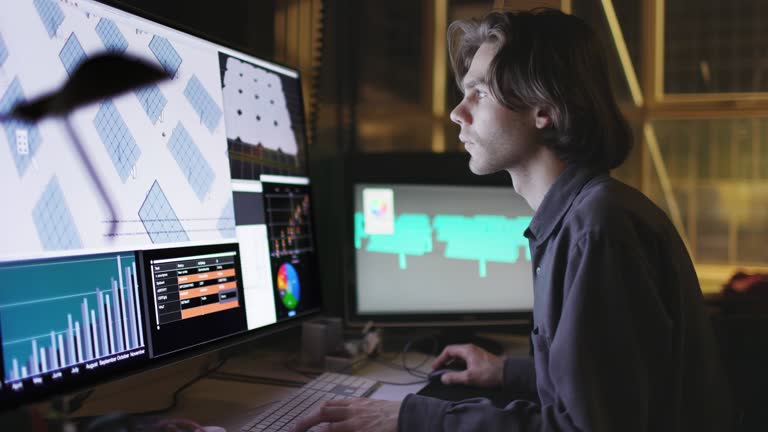
Energy modeling is a process of simulating how energy moves and is used within a building. It involves analyzing heating, cooling, lighting, and other systems to predict energy consumption and identify potential improvements. By creating a digital representation of building operations, engineers can test scenarios and make informed decisions that reduce energy waste and operational costs.
Here’s why energy modeling is essential for MEP engineers:
-
It reveals hidden inefficiencies by showing exactly where energy is being overused or underutilized throughout the building.
-
The engineers are able to create energy-efficient MEP systems, and this means that systems can perform at their best and achieve sustainability in order to reduce the operations costs.
-
It allows comparing the materials, equipment, and system layouts to find the ones that maximize the total energy consumption.
-
Modeling strengthens building energy management, providing continuous monitoring and adjustments to reduce long-term consumption.
-
Early simulations prevent design mistakes that could lead to costly modifications, ensuring smoother construction and operational phases.
How Does Energy Modeling Improve Building Performance And Sustainability?
Energy modeling provides a detailed analysis of building systems, predicting how design choices affect energy consumption, indoor climate, and resource use. By testing scenarios digitally, engineers can explore innovative approaches and understand interactions between systems. This process highlights potential improvements that contribute to smarter construction and long-term operational decisions, supporting environmentally conscious modern architecture.
Below are key ways energy modeling enhances building performance and sustainability:
-
Identifies energy-intensive areas to help reduce waste and balance loads across systems.
-
Guides decisions on materials and systems by demonstrating the role of energy simulation in sustainable buildings for reducing environmental impact.
-
Enhances the interior environment through proper prediction of temperature, lighting and ventilation requirements.
-
Encourages constant check up and adjustments of energy consumption using the concepts of green building engineering.
-
Helps streamline the allocation of resources, minimizing the costs of operation, and remaining in line with the regulatory and sustainability requirements.
What Tools And Software Are Commonly Used For Energy Modeling?
Energy modeling relies on specialized platforms that simulate building performance under various scenarios. These tools help engineers analyze energy flows, predict system behavior, and evaluate design alternatives before construction begins. Understanding how energy modeling improves MEP design efficiency allows teams to make informed decisions, reduce costs, and optimize systems while maintaining sustainability and comfort standards.
Below are some widely used tools and software for energy modeling:
-
eQUEST: Simulates heating, cooling, and lighting loads, helping engineers understand energy demand and optimize building performance.
-
DesignBuilder: Provides a detailed 3D environment to evaluate energy consumption and environmental impact under various scenarios.
-
Trane TRACE 700: Focuses on mechanical system optimization, enabling engineers to plan and test complex MEP software designs efficiently.
-
IES VE (Integrated Environmental Solutions Virtual Environment): Delivers advanced visualization and reporting, helping teams communicate energy performance clearly.
-
Autodesk Revit with Insight: Combines architectural, structural, and energy modeling, supporting collaborative decisions and integrated project analysis.
Did You Know?
Projects that used energy modeling reported an average predicted Energy Use Intensity (pEUI) reduction of about 60%, compared with roughly 50% for similar projects without modeling, showing measurable improvements in projected energy performance.
How Can MEP Engineers Use Energy Modeling To Optimize HVAC, Lighting, And Water Systems?
Energy modeling provides a virtual platform to study building systems before construction. Engineers can simulate different scenarios, understand system interactions, and evaluate potential improvements. By analyzing energy flows and resource demands, teams gain actionable insights for design decisions, ensuring buildings operate efficiently while meeting comfort and sustainability targets. This process supports smarter strategies for system optimization and long-term operational performance.
Below are key ways energy modeling helps optimize HVAC, lighting, and water systems:
-
Analyzes HVAC layouts to improve airflow and temperature distribution while minimizing energy use.
-
Identifies lighting zones and schedules, helping engineers plan efficient systems and understand how to reduce energy consumption through MEP design.
-
Simulates water systems to detect inefficiencies, reduce waste, and improve distribution across the building.
-
Experiments with the various types and configurations of HVAC equipment and the importance of thermal analysis in MEP energy modeling to improve the performance.
-
Allows controls and sensors to be integrated, allowing control systems to adjust lighting, cooling and heating systems automatically.
-
Assesses peak load conditions and interactions of the system, which aids engineers in scheduling upgrades and maintenance effectively.
What Role Does BIM Play In Integrating Energy Modeling With MEP Design?
Building Information Modeling (BIM) creates a detailed digital representation of a building’s physical and functional systems, enabling teams to visualize interactions and coordinate workflows effectively. By combining design data with analytical insights, engineers can improve planning accuracy and make informed decisions. To strengthen these skills, the BIM Professional Program for MEP Engineers by Novatr offers structured training.
Here are key ways BIM integrates energy modeling with MEP design:
-
Centralizes building data, allowing architects, structural engineers, and MEP teams to work collaboratively.
-
Detects potential clashes and conflicts in system layouts before construction begins.
-
Supports simulations of energy performance and system behavior to anticipate operational outcomes.
-
Provides insights for optimizing designs, aligning with MEP design strategies for energy efficiency.
-
Improves documentation and data sharing, ensuring all stakeholders have access to updated and accurate design information.