



What Is Electrical Load Analysis And Why Is It Vital In MEP Projects?
Electrical load analysis is the process of calculating the total electricity a system requires, taking into account all appliances, devices, and equipment. It determines the utilization of power at various times, hence providing balancing and reliability of circuits. This concise knowledge explains why electrical load analysis matters in MEP design since it gives the engineer the information required to plan the systems safely and efficiently.
Here’s why electrical load analysis is vital in MEP projects and the benefits it brings to design and safety:
-
It makes sure that the demand of the building can be accommodated by all electric circuits, meaning it eliminates overload and downtime.
-
Proper calculations assist in electrical system planning, appropriate equipment and wiring sizing.
-
Possible weak points or risks within the system are detected prior to construction preventing failures in the future.
-
It allows for balanced energy distribution, keeping all devices and systems running smoothly.
-
Knowledge of load requirements improves building electrical safety by reducing the likelihood of short circuits and faults.
-
Proper load analysis supports long-term reliability, efficiency, and maintenance of electrical systems throughout the building.
How Does Accurate Load Analysis Impact System Design, Safety, and Energy Efficiency?
Accurate load analysis helps engineers understand how electrical systems perform under varying conditions. By reviewing electricity use, designers can plan circuits, prevent overloads, and balance power across devices. Using proper load calculation methods, it provides essential insights that support safe operation, efficient energy use, and consistent system performance across all building systems.
Here’s how accurate load analysis contributes to system design, safety, and efficiency in meaningful ways:
-
Ensures circuits and equipment are sized appropriately to meet expected demand.
-
Highlights potential hazards in the system to prevent failures and unsafe conditions.
-
Maintains smooth operation of all systems, reducing interruptions and downtime.
-
Helps improve energy management, demonstrating the impact of electrical load analysis on energy efficiency.
-
Guides proper placement and selection of devices for balanced electrical flow.
What Methods and Tools Are Used for Performing Electrical Load Calculations?
Electrical load calculations use structured approaches and specialized solutions to determine how much power a system will require under normal and peak conditions. These approaches combine data, rules, and analytical logic to quantify demand accurately. Understanding the importance of demand factor in electrical design helps engineers apply these methods appropriately, ensuring calculations reflect real usage patterns and align with design standards and safety requirements.
Below are the key methods and tools used for performing electrical load calculations, each supporting accurate assessment and planning:
-
Dedicated electrical analysis software allows engineers to model systems and compute load distribution based on input parameters.
-
Spreadsheet-based calculation templates help organize load data and run systematic demand summations and adjustments.
-
Standardized calculation worksheets ensure compliance with electrical codes and apply demand and diversity factors consistently.
-
BIM and CAD-integrated platforms combine modeling and calculation, applying load balancing techniques in multi-story buildings to manage electricity distribution efficiently.
Did You Know?
The global MEP services market is projected to grow from USD 169.83 billion in 2026 to USD 376.72 billion by 2034, highlighting the increasing demand for precise electrical load analysis in modern building projects.
Common Challenges Engineers Face During Load Estimation and How to Overcome Them

Load estimation requires careful analysis to ensure systems can handle current and future electrical demands. Engineers must consider multiple factors, including varying usage patterns, peak loads, and system interdependencies. A structured approach helps anticipate potential issues and provides a foundation for reliable, safe electrical planning.
Here are some common mistakes in electrical load analysis and how to avoid them:
-
Misjudging Peak and Average Loads: Underestimating or overestimating loads can cause undersized circuits or wasted capacity. Engineers can overcome this by analyzing historical usage data and incorporating realistic peak demand projections.
-
Overlooking Diversity Factors: Lack of consideration of simultaneous or staggered equipment utilization is possible to cause ineffective designs. The use of the appropriate diversity factors will facilitate the system being in tandem with the real-world requirements without oversizing its features.
-
Ignoring Future Expansions of Loads: Systems may not be flexible in case an organization does not plan the expansion of equipment or buildings. Projected load additions in the design process aid in the preservation of scalability and avoid expensive retrofits.
-
Mistakes during Establishing Equipment Ratings or Wiring Calculations: The improper specifications raise the possibility of malfunctions or interruptions. Errors are reduced by means of double-checking ratings, cross-referencing information available from the manufacturer and peer reviews.
How BIM Integration Improves Electrical Load Analysis and Coordination?

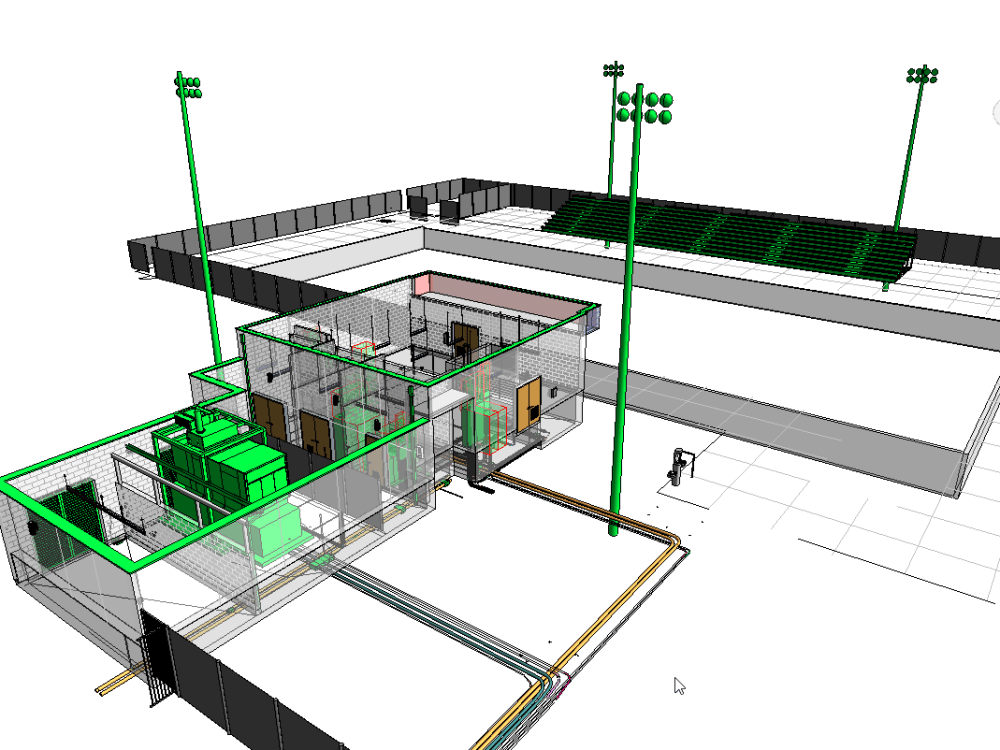
BIM integration involves the development of detailed computerized models of building systems, involving all disciplines in a single platform. It assists in visualizing layouts, identifying possible conflicts, and centralizing project data to be in an organized and accessible design. In the case of MEP professionals, courses such as the BIM Course for MEP Engineers by Novatr include explicit information on how to implement BIM tools in practical projects to help in collaborative effort, decision-making and proper planning of all building systems.
The five BIM integration benefits of electrical load analysis and coordination are as follows:
-
With BIM, MEP systems are simulated and analyzed within a single model, minimizing the error and inconsistencies.
-
Integration helps in clash-detection between electrical and other building systems to enhance discipline coordination.
-
BIM centralized data management provides the reflection of updates in the entire range of drawings and calculations, which contributes to the project accuracy.
-
The electrical load calculations with BIM-integrated systems are automatically updated with a change in design, which ensures correctness and simplifies the analysis process.

.png)