---
title: "BIM Engineer: Roles, Salaries, and Online Courses"
description: Learn about BIM engineers' roles, responsibilities, and scope. Know their salaries and the top BIM courses to become one.
image: https://blog.novatr.com/hubfs/A%20BIM%20specialist%20working%20on%20a%20project%20on%20computer.png
---
[Blogs](https://www.novatr.com/learning-hub)
- [Architecture & Construction](https://www.novatr.com/learning-hub?category=Architecture+%26+Construction)
- [BIM](https://www.novatr.com/learning-hub?category=BIM)
- [Computational Design](https://www.novatr.com/learning-hub?category=Computational+Design)
- [Company News](https://www.novatr.com/learning-hub?category=Company+News)
- [Expert Talks](https://www.novatr.com/learning-hub?category=Expert+Talks)
Explore Courses
[Just Launched  BIM Professional Program v.2026 Take your career to the next level by mastering the real-world application of BIM. Know More](https://www.novatr.com/courses/bim-professional-program)
[ Master Computational Design Course Break into an advanced career by learning to apply the power of computation to the art of design. Know More](https://www.novatr.com/courses/computational-design)
[Blogs](https://www.novatr.com/learning-hub)
Explore Blogs
- [Architecture & Construction](https://www.novatr.com/learning-hub?category=Architecture+%26+Construction)
- [BIM](https://www.novatr.com/learning-hub?category=BIM)
- [Computational Design](https://www.novatr.com/learning-hub?category=Computational+Design)
- [Company News](https://www.novatr.com/learning-hub?category=Company+News)
- [Expert Talks](https://www.novatr.com/learning-hub?category=Expert+Talks)
Courses
- [BIM Professional Program v.2026](https://www.novatr.com/courses/bim-professional-program)
- [Master Computational Design](https://www.novatr.com/courses/computational-design)
- [BIM/](https://www.novatr.com/learning-hub?category=BIM) [BIM/](https://www.novatr.com/learning-hub?category=BIM)
Featured Article
# BIM Engineer: Roles, Salary Insights & Top Online Courses in 2026
.jpg)
Sukanya Bhattacharjee
May 1, 2024
13 min read


[**Building Information Modeling (BIM)**](https://www.novatr.com/blog/bim-in-civil-engineering-explained) is a collaborative approach that streamlines how to plan, design, and construct a building within a single 3D model. It allows architects, engineers, contractors, and other stakeholders to integrate critical data and information that define design elements and their associations. This comprehensive digital representation acts as a virtual prototype of the building, allowing stakeholders to visualise and comprehend the entire lifecycle of a structure, identifying and evaluating potential issues before any construction work begins. BIM has provided a new dimension to the AEC industry and saved much effort, time, and money compared to traditional methods.
The impact of BIM has given rise to the emergence of BIM engineers, enabling them to perform in-depth analysis and simulations, resulting in more efficient and affordable solutions. BIM engineers can leverage the power of digitalisation to streamline their workflow and oversee multiple projects simultaneously. [**Civil engineers proficient in BIM**](https://www.novatr.com/blog/bim-in-civil-engineering) not only position themselves to adapt to new methodologies and tools but are also better prepared for the evolving landscape of the construction industry.
In this blog, we will explore the roles and responsibilities of BIM engineers, the demand and scope for their expertise, salaries, and even a list of BIM courses for aspiring BIM engineers.
Unlock High-Paying Careers With BIM
Master BIM workflows, software and skills on real projects.
Apply Now
\*Limited seats available
## **What Does a BIM Engineer Do?**
A BIM engineer is a specialised engineer who is well-versed in [BIM software](https://www.novatr.com/blog/8-popular-bim-software) and uses his knowledge to design and construct structures, ensuring that all aspects of the building are properly planned and coordinated. They collaborate with a team of skilled engineers proficient in operating BIM models and take active steps to access the full potential of the software.
> *Read more:* [A Closer Look at the Scope of BIM in Civil Engineering](https://www.novatr.com/blog/scope-of-bim-in-civil-engineering)
## **Roles and Responsibilities of a BIM Engineer**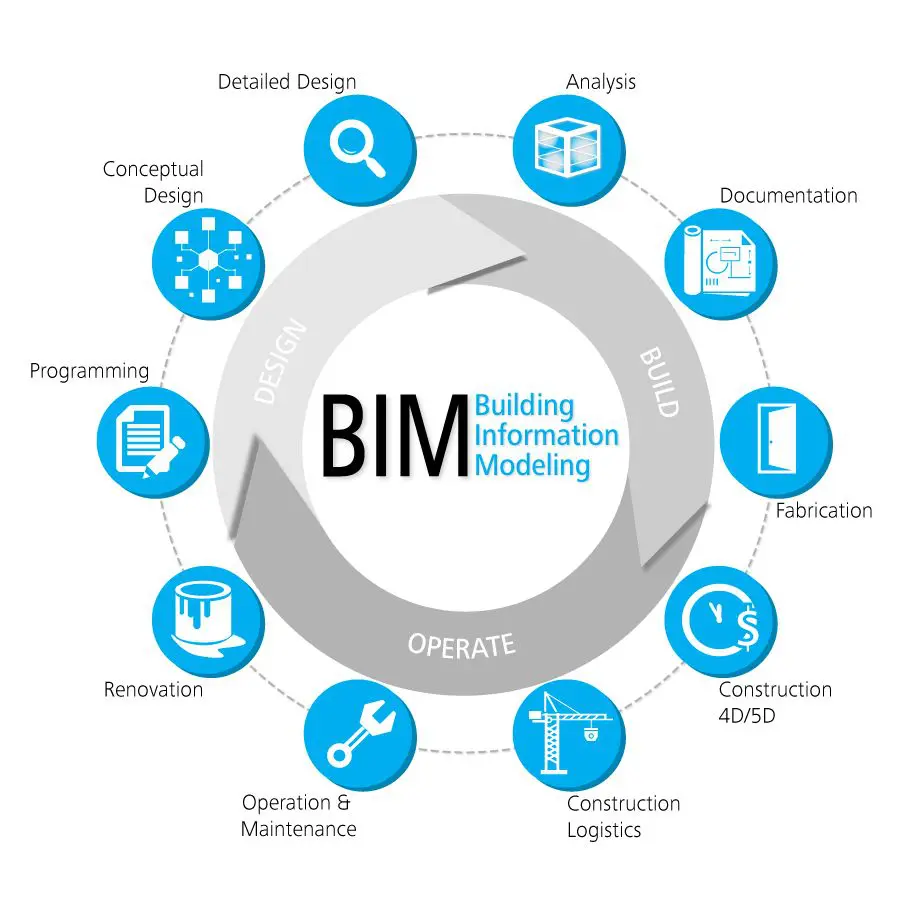
The roles and responsibilities of a BIM engineer span from the initial conceptualisation to the final construction phase. However, it can vary depending on the type, scale, and requirements of the project. Below are a few major responsibilities of BIM engineers:
- BIM engineers collaborate with architects, engineers, real estate developers, and other stakeholders, ensuring a seamless integration of BIM technology throughout the project. They act as coordinators, managing digital models, and contributing to design optimisation.
- They play a major role in data management, overseeing the creation, organisation, and maintenance of digital models.
- By promoting effective communication and information exchanges, they streamline project workflows, reducing errors and improving overall performance and efficiency.
- They are responsible for managing project outputs like drawings and documents.
- BIM engineers monitor the project expenditure.
- They provide continuous support to the team and coordinate with clients.
- BIM engineers engage in detailed analysis and documentation. They harness BIM tools to conduct simulations, [clash detection](https://www.novatr.com/blog/bim-for-clash-detection), and performance analysis, providing valuable insights for project optimisation. The documentation ensures that every aspect of the project is recorded, creating a digital footprint for future reference.
- BIM engineers need to work in diverse construction environments like commercial, industrial, educational, and healthcare-related projects.
- They identify and resolve potential conflicts both in the design and execution process.
## **Scope and Demand for BIM Engineers**
The growing importance of BIM engineers in the AEC industry is a catalyst for efficiency, offering a collaborative platform that blurs boundaries between interdisciplinary teams, enabling communication and clash detection in real time during the design phase. From carrying out large-scale infrastructure projects to intricate construction designs, BIM engineers have become indispensable for modern construction.
The [**scope of BIM**](https://www.novatr.com/blog/bim-global-growth-rate) engineers offers a holistic and data-rich approach, extending across the entire project life cycle. They ensure all the systems, from structural to electrical, are in sync and support accurate quantity take-offs, safety planning and scheduling. Their ability to navigate the complexities of digital modelling, data management, and coordination makes them key players in construction technology. Organisations recognise the value that BIM engineers bring to the table, increasing the demand for professionals skilled in BIM methodologies.
**BIM Engineer Salaries in India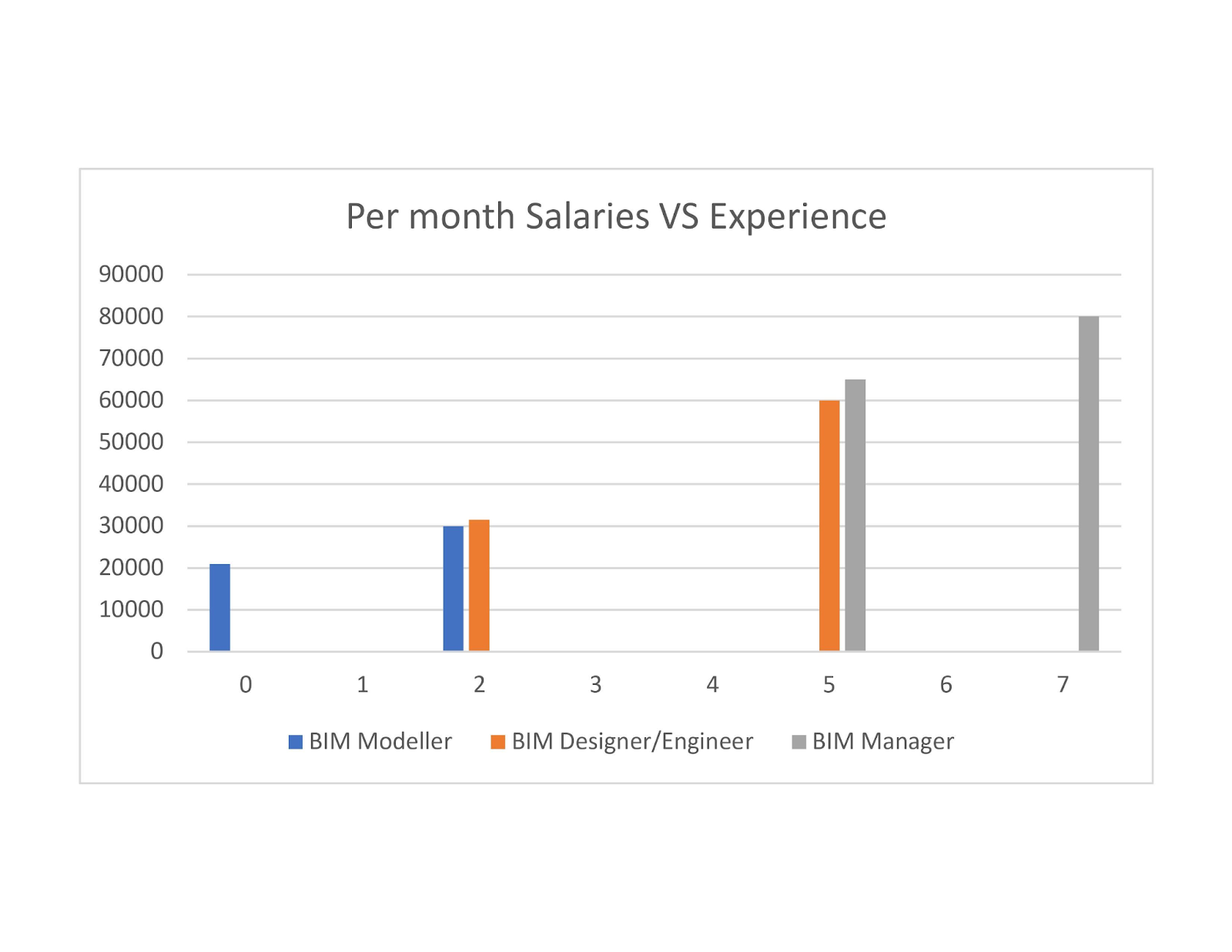**
BIM engineers command competitive salaries reflective of their crucial role in the AEC industry. Salaries vary based on factors such as experience, expertise, and location. As the demand for BIM professionals continues to surge, salary trends indicate a promising outlook for those pursuing a career as [**BIM structural engineers**](https://www.novatr.com/blog/benefits-of-bim-for-structural-engineers) in India.
### **1. BIM Engineer**
An entry-level BIM engineer with minimum experience can make an *average of INR 25,000 in India*. With a comprehensive knowledge and experience of BIM, an *intermediate-level* BIM engineer can earn a salary of anywhere between *INR 30,000 - 35,000/month*. BIM engineers are responsible for designing and understanding documentation and construction processes along with dedicated teamwork.
### **2. BIM Coordinator**
A BIM coordinator’s salary can go all the way *up to INR 55,000/month* and more. The role of [BIM coordinators](https://www.novatr.com/blog/bim-coordinator-guide) is somewhat similar to that of a BIM manager, except that they do not need to be responsible for the entire team. Their job is to maintain coordination within the BIM team, overseeing the management of BIM data sets from both internal and external members while reviewing 3D models for accuracy and clash detection.
### **3. BIM Manager**
After a work experience of 5-7 years, a BIM engineer can become a BIM Manager and earn about *INR 75,000/month.* In MNCs, [BIM managers](https://www.novatr.com/blog/guide-to-become-bim-manager) need to conduct rigorous quality checks to ensure that the drawings align with the level of detail set by the stakeholders. The role demands major responsibilities for drawings. Whereas BIM managers in smaller firms typically collaborate and work closely with junior designers to maintain modelling standards.
### **4. BIM Consultants**
With sufficient years of experience, BIM professionals have the option to transition into the role of BIM consultants, particularly for engineering firms that have little to no in-house BIM expertise. They can take charge of handling and managing all of the BIM solutions and negotiate higher salaries or even request their share in each project. There is no limit to how much they can make, ensuring consistent growth with every project. Many engineers, after substantial experience, turn to consultants and also extend their expertise to companies on a global scale.
### How do you become a BIM engineer?
To become a BIM engineer, consider the following steps:
a) Educational Qualification:
Obtain a bachelor's degree in civil engineering or a related field. A degree is the stepping stone toward a bright career in the AEC industry. It equips you with the basic knowledge and skills required to thrive in the AEC industry
b) Professional Experience:
Gain practical experience in civil engineering projects to understand industry standards and workflows. You must do an internship or pick personal projects to build a deeper understanding of the industry standards. This can add to your portfolio and help you land a job.
**c) BIM Certification:**
Enroll in specialized BIM courses, such as [Novatr's Professional BIM Course for Civil Engineers](https://www.novatr.com/courses/bim-for-civil-engineers), which offers comprehensive training in BIM processes and tools. Such courses help develop a deeper understanding of the technical tools required to advance in the industry.
**d) Master BIM Software:**
Develop proficiency in BIM software like [Autodesk Revit](https://www.novatr.com/blog/revit-history-and-evolution), [Navisworks](http://navisworks/) and Civil 3D to effectively create and manage digital models. These softwares gives you an edge both in terms of your resume and your pay. Being a BIM first engineer is becoming a necessity in today’s competitive market.
Also Read - [Go From Engineer-in-training to a high paying BIM Professional in 2026](https://www.novatr.com/blog/how-to-transition-from-an-engineer-to-a-bim-professional)
### Necessary Skills Required To Become a BIM Engineer?
The right blend of technical and soft skills is required to be a successful BIM Engineer. Knowledge of BIM software and workflows such as Autodesk Revit and Navisworks is essential for creating and managing detailed 3D models. But along with these software foundations, there is a need for the right soft skills including communication and the ability to manage teams and various stakeholders.
Effective communication and collaboration skills are vital for working with multidisciplinary teams, ensuring seamless project execution. Attention to detail and a commitment to continuous learning help maintain accuracy and keep one updated with evolving BIM technologies and industry best practices.
## **BIM Engineering Courses in India**
To meet the escalating demand for skilled BIM engineers, many educational and training programs have surfaced in India. These programs cater to individuals at various career stages, offering flexibility and specialisation. From certification courses to comprehensive degree programs, aspiring BIM engineers can choose educational pathways that suit their goals and circumstances. Several reputed institutions and online platforms provide [**BIM courses**](https://www.novatr.com/blog/best-bim-courses-with-placements) in India. Below is a list of courses that can equip engineers with the technical skills and industry knowledge required for a successful career as a BIM engineer.
| **Course Name** | **Duration & Mode** | **Software / Tech Stack** | **Ideal For** | **Key Differentiator** |
| --- | --- | --- | --- | --- |
| **BIM Professional Course for Civil Engineers – Novatr** | 7 months, Online | Covers 10+ BIM tools, including Revit, Navisworks, BIM 360 | Civil engineers seeking infrastructure-based digital roles | RIBA-style capstone project and structured placement assistance |
| **MBA in Digital Transformation & BIM Management – NICMAR** | 2 years, On-campus | BIM + Business workflows | Professionals aiming for leadership roles | Only postgraduate BIM-business integration program in India |
| **BIM Course – Capricot** | Variable, Online | Project-based BIM modules | Beginners and mid-career engineers | Flexible module paths for professionals |
| **Autodesk Revit for Structural BIM – Multisoft** | Variable, Online | Revit Structure | Structural designers | Focused specialization, not a full BIM program |
### **1. BIM Professional Course For Civil Engineers by Novatr**
**Duration**: Seven months
**Fee**:INR 2,75,000
**Mode of Study**:Online
**Placement**: Yes
**Key Features**
Novatr’s [**BIM Professional Course for Civil Engineers**](https://www.novatr.com/courses/bim-for-civil-engineers) is an exceptional program in the domain of BIM engineering education. This course offers a comprehensive curriculum, guiding participants through the fundamental concepts of information modelling, parametric structure families, documentation, and presentation. It also delves into advanced topics like 3D visualisation, BIM for infrastructure, and 4D and 5D modelling.
The course places a strong emphasis on practical skills, addressing key aspects such as cloud collaboration, streamlined workflows, coordination, and clash detection. What sets it apart is the guidance provided by industry experts throughout the learning period. By the end of the course, participants are encouraged to apply their understanding through a real-world RIBA-structured capstone project. It is an ideal course for engineers looking to upskill themselves.
**Here’s what you’ll learn:**
- 5+ industry softwares, including Autodesk Revit, Navisworks, Autodesk Construction Cloud: Docs, Coordination & Collaboration.
- Master essential plugins such as EF-Tools, DiRoots.One, pyRevit, ProSheets, Issue and Model Checker for Revit to automate documentation and improve precision.
- Learn complete BIM workflows, from digital design development, estimation & BOQ, and information modeling to clash detection, sequencing, and multidisciplinary coordination.
- Get hands-on experience working on real commercial and residential projects following ISO 19650 standards, guided by mentors from the global AEC industry.
- Develop professional construction documentation, audits, and deliverables aligned with international BIM practices.
**Earn globally recognized certifications:**
- **Novatr Course Certificate**, signed by the Academic Director.
- **Autodesk User Certification**, validating your command over Autodesk tools.
- **NSDC Certificate**, officially recognizing your BIM expertise.
- **Optional Specialization Certificates**, for learners who wish to deepen their skills in niche BIM applications.
> *Read more:* [BIM for Structural Engineers: Top Benefits, Significance, and Work Opportunities](https://www.novatr.com/blog/benefits-of-bim-for-structural-engineers)
### **2. MBA in Digital Transformation and BIM management by NICMAR**
**Duration**: Two years
**Fee**:INR 12,00,000
**Mode of Study**:On-campus
**Placement**: Yes
**Key Features**
The National Institute of Construction Management and Research (NICMAR) offers a unique postgraduate program that’s a blend of business management and BIM expertise. It is a perfect choice for professionals aspiring to become leaders in the BIM field within the construction industry. Based in Pune, this BIM course not only imparts essential BIM skills but also hones an individual’s ability to manage BIM projects effectively. This combination of technical know-how and management proficiency is highly valuable in today’s context, where BIM continues to become more relevant to the success of construction projects. After completing this course, individuals are prepared to integrate BIM into the organisation’s workflows and processes.
### **3. BIM Course by Capricot****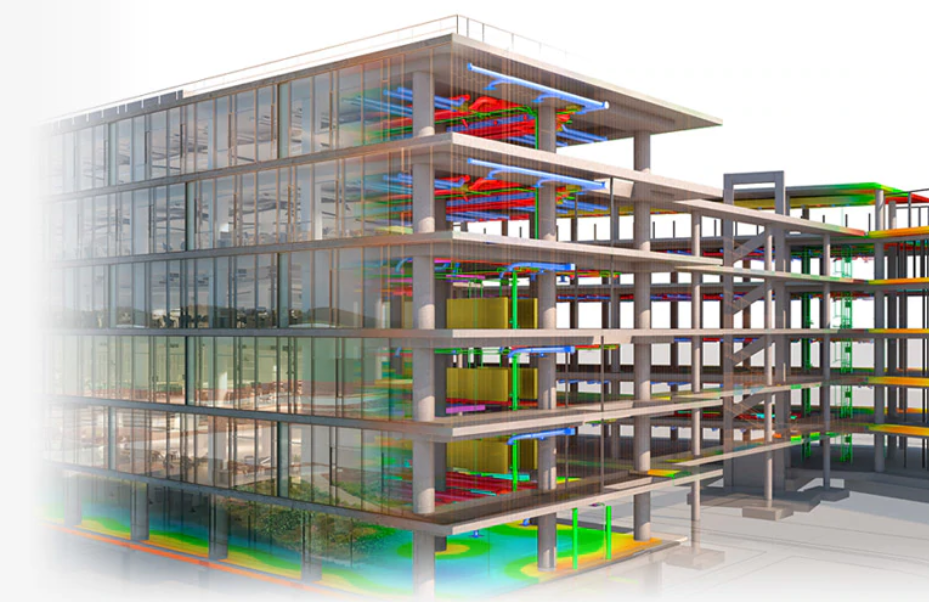**
**Duration**: Not defined
**Fee**:Requires you to register
**Mode of Study**:Online
**Placement**: Yes
**Key Features**
This comprehensive BIM course covers a variety of BIM topics of diverse skill levels catering to all civil engineers. The program blends theoretical knowledge with practical application, ensuring that participants understand the concepts and learn how to apply them in real-life scenarios. It covers different aspects of BIM for civil engineers, including modelling, coordination, project management, clash detection, and team collaboration. Whether you’re a beginner starting from scratch and want to understand the basics of BIM or an experienced engineer wanting to improve your expertise, Capricot’s course is suitable for every stage of your engineering career.
### **4. Autodesk Revit for Structural BIM Modeling by Multisoft Systems****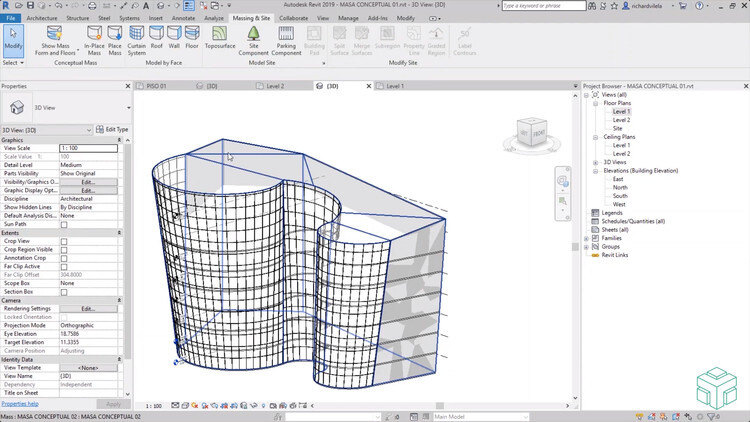**
**Duration**: Not defined
**Fee**:Not defined
**Mode of Study**:Online
**Placement**: No
**Key Features**
Offered by Multisoft System, this specialised training program focuses on Revit Structure, a pivotal BIM software extensively used by civil engineers. Renowned for creating intricate structural designs and conducting analysis, this course is meticulously designed to empower civil engineers with the skills needed to fully leverage the potential of the software. It includes hands-on training covering various aspects of Revit Structure, such as modelling, analysis, detailing, and collaboration. While this course does not provide comprehensive training in BIM for civil engineers, it creates a solid foundation for structural design and analysis, enabling them to develop accurate structural models.
## **Conclusion**
BIM engineering is one of the fastest-growing careers in India’s construction industry, driven by digitization, infrastructure investments, and the global shift to smarter workflows. Engineers who master BIM tools can unlock high-paying roles, work on complex structures, and contribute to sustainable, efficient construction.
The [BIM Professional Course for Civil Engineers](https://www.novatr.com/courses/bim-for-civil-engineers) offered by[Novatr](https://www.novatr.com/) equips learners with real-world BIM workflows, hands-on tools, and a portfolio-ready RIBA-based capstone. If you're planning a BIM-driven career, this program offers a direct pathway to skill mastery and job opportunities.
Visit our [resource page](https://www.novatr.com/learning-hub) to explore deeper insights into civil engineering careers, BIM trends, and tools shaping the AEC industry.
## FAQs
#### 1. Is BIM engineer a good career?
Yes, BIM engineers are in high demand due to the digital transformation in the AEC industry. Their skills enable efficient coordination, minimize errors, and improve project outcomes, making them valuable across infrastructure, real estate, and global construction firms. As organizations continue adopting BIM, salaries and career growth stimulate strong long-term demand.
#### 2. What is the qualification for BIM engineer?
A bachelor’s degree in civil engineering, architecture, or a related technical field is typically required. However, the primary differentiator is specialized BIM training. Employers expect proficiency in tools like Revit and Navisworks and experience demonstrating BIM workflows, coordination, and documentation, skills developed through industry-recognized BIM courses.
#### 3. Can I learn BIM by myself?
Yes, but self-learning can be limiting. You can explore tutorials and free software tools, but without structured workflows, industry processes, or mentor feedback, your skills remain fragmented. Professional BIM programs provide real-case projects, software mastery, and portfolio validation, elements critical for employability and career transition into BIM-focused roles.
#### 4. What are 5 top skills required to become BIM Engineer?
To succeed, a BIM engineer needs strong model-building capabilities, proficiency in BIM tools, understanding of construction systems, strong collaboration abilities, and analytical thinking. These skills ensure the engineer can coordinate models, interpret data accurately, resolve design issues early, and communicate effectively with stakeholders throughout the project cycle.
Master BIM and Get Hired Faster
Join a community of 8500+ Architects and Engineers.
Explore Now
\*Limited seats available
Was this content helpful to you
Like Yes
Dislike No

TABLE OF CONTENTS
BIM Is The New Standard. Are You Certified?
Get Certified in BIM
SHARE ON YOUR SOCIALS
Link Copied Successfully
Related articles
[ Why is it Important for Civil Engineers to Learn BIM With CAD & CAE? 2 April 2024 25 min read](https://blog.novatr.com/blog/bim-with-cad-and-cae) [ Career BIM Civil Courses to Advance Your Career in 2026: From Beginner to Expert 2 April 2024 31 min read](https://blog.novatr.com/blog/best-bim-civil-courses-for-advancing-your-career) [ How to Become a BIM Consultant: Skills and Experience Required 15 July 2024 13 min read](https://blog.novatr.com/blog/how-to-become-bim-consultant) [ Architecture and Construction BIM vs. Traditional Construction: Know which method is More Efficient for Civil Engineering Projects? 27 May 2024 10 min read](https://blog.novatr.com/blog/bim-vs-traditional-methods)
Download Syllabus
## BIM Professional Program
Next Cohort
June 2026
Program Duration
7 Months
Premium Program benefits
8 Credentials from Autodesk, NSDC, Novatr
1 program. 10 career paths. Infinite Growth.
40+ ISO 19650 & RIBA real-world projects to practice
1-on-1 guidance. Access 400+ industry experts.
Access the biggest AEC-Tech community on the planet. 8500+ and counting
Curated for you by 100+ global BIM leaders.
Lifelong access to course content
Enter your details to download the program syllabus.
##### BIM Professional Program
June 2026, 7 Months
Your Name Invalid name.
Phone Number Enter a valid phone number
Email Please enter a valid email address.
Select years of experience\* Currently studying 0-1 years 1-2 years 2-4 years 4-8 years 8-10 years 10-12 years 12+ years Invalid selection.
Specialisation Select your background\* Architecture Civil Engineering Mechanical Engineering Electrical Engineering Invalid selection.
Are you professionally trained in interior design?
Yes
No
I agree to the [Terms of Use](https://www.novatr.com/terms-and-conditions) and [Privacy Policy](https://www.novatr.com/privacy-policy), and consent to be contacted by Email, Call, WhatsApp, or SMS.
Submit
Ready to skyrocket your career?
Begin your next chapter in AEC
with Novatr!
We are here to help you take the industry by storm with advanced, tech-first skills.
[Explore Courses](https://www.novatr.com/#courses)
Join our newsletter
Submit
Thank you for signing up.
We’ll send you a nice letter once per week. No spam.

Dare to Disrupt.
Join thousands of people who organise
work and life with Novatr.
Company
- [About Us](https://www.novatr.com/about)
- [BIM Professional Program v.2026](https://www.novatr.com/courses/bim-professional-program)
- [Masters Computational Design](https://www.novatr.com/courses/computational-design)
- [Become a Mentor](https://www.novatr.com/apply-as-mentor)
- [Hiring from Us](https://www.novatr.com/hire-from-us)
- [Careers at Novatr](https://www.novatr.com/career)
Resources
- [Blog](https://www.novatr.com/learning-hub)
- [Media Room](https://www.novatr.com/media-room-home-page)
- [Career Builder](https://www.novatr.com/career-navigator)
- [Events & Webinars](https://www.novatr.com/webinars)
- [FAQs & Support Center](https://www.novatr.com/contact-us)
- [Contact Us](https://www.novatr.com/contact-us)
- [Privacy Policy](https://www.novatr.com/privacy-policy)
- [Terms of Use](https://www.novatr.com/terms-and-conditions)
©2023 Oneistox Network Pvt. Ltd.
All Rights Reserved
```json
{
"@context" : "https://schema.org",
"@type" : "BlogPosting",
"author" : {
"@type" : "Person",
"name" : "Sukanya Bhattacharjee",
"url" : "https://blog.novatr.com/blog/author/sukanya-bhattacharjee"
},
"dateModified" : "2026-03-21T12:52:26.510Z",
"datePublished" : "2024-05-01T06:39:22.000Z",
"headline" : "BIM Engineer: Roles, Salaries, and Online Courses",
"image" : [ "https://blog.novatr.com/hubfs/A%20BIM%20specialist%20working%20on%20a%20project%20on%20computer.png" ],
"mainEntityOfPage" : {
"@id" : "https://blog.novatr.com/blog/guide-to-become-bim-engineer",
"@type" : "WebPage"
},
"publisher" : {
"@type" : "Organization",
"logo" : {
"@type" : "ImageObject",
"url" : "https://blog.novatr.com/hubfs/Novatr%20Prev%20OX-2.svg"
}
}
}
```