---
title: Do BIM Certifications Actually Matter? 2026
description: Do BIM certifications matter to employers? Learn how hiring managers evaluate certifications, practical BIM skills, and job readiness.
image: https://blog.novatr.com/hubfs/ChatGPT%20Image%20Jun%2023%2c%202026%2c%2012_19_42%20PM.png
---
[Blogs](https://www.novatr.com/learning-hub)
- [Architecture & Construction](https://www.novatr.com/learning-hub?category=Architecture+%26+Construction)
- [BIM](https://www.novatr.com/learning-hub?category=BIM)
- [Computational Design](https://www.novatr.com/learning-hub?category=Computational+Design)
- [Company News](https://www.novatr.com/learning-hub?category=Company+News)
- [Expert Talks](https://www.novatr.com/learning-hub?category=Expert+Talks)
Explore Courses
[Just Launched  BIM Professional Program v.2026 Take your career to the next level by mastering the real-world application of BIM. Know More](https://www.novatr.com/courses/bim-professional-program)
[ Master Computational Design Course Break into an advanced career by learning to apply the power of computation to the art of design. Know More](https://www.novatr.com/courses/computational-design)
[Blogs](https://www.novatr.com/learning-hub)
Explore Blogs
- [Architecture & Construction](https://www.novatr.com/learning-hub?category=Architecture+%26+Construction)
- [BIM](https://www.novatr.com/learning-hub?category=BIM)
- [Computational Design](https://www.novatr.com/learning-hub?category=Computational+Design)
- [Company News](https://www.novatr.com/learning-hub?category=Company+News)
- [Expert Talks](https://www.novatr.com/learning-hub?category=Expert+Talks)
Courses
- [BIM Professional Program v.2026](https://www.novatr.com/courses/bim-professional-program)
- [Master Computational Design](https://www.novatr.com/courses/computational-design)
- [BIM/](https://www.novatr.com/learning-hub?category=BIM)
Featured Article
# Do BIM Certifications Actually Matter to Employers in 2026?

Neha Singh
June 23, 2026
6 min read
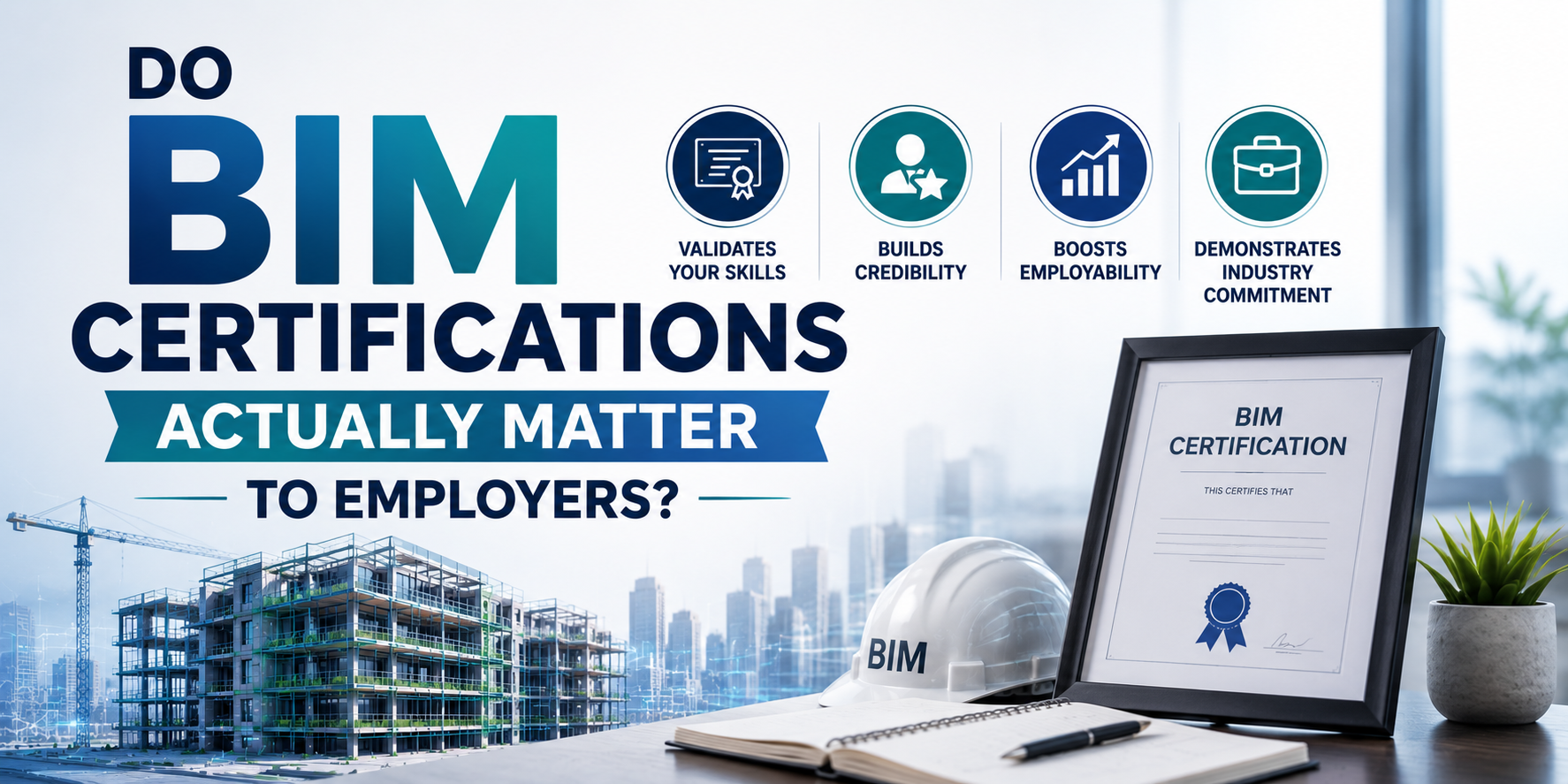

The architectural and engineering landscape is changing quickly due to rapid digital transformation. New statistics reveal that [65%](https://socialnomics.net/2026/01/09/how-bim-trends-are-transforming-construction-in-2026/#:~:text=Research%20shows%20that-,65%25,-of%20all%20construction) of all construction projects globally are now working through a BIM workflow to control data and reduce design mistakes. As more and more of the work that used to be done with a pen is done using software, people wonder whether it is sufficient to have a formal certificate to find a good job. In fact, many design companies now employ automated testing in their interviews to gauge a candidate's actual ability in real time. This article will help you to understand if BIM certification still holds weight for employers today, how it affects freshers, and what habits you need to develop to make it work for you.
## **Key Takeaways**
- A formal BIM certification acts as a crucial first step for clearing initial HR resume filters, but it requires proof of practical application to secure a job offer.
- When it comes to engineering job interviews, the live troubleshooting and real-world BIM skills are more important than the paper credential.
- Structured BIM training course helps new entrants to the job market to build a practical portfolio that validates their job ready skills.
- A candidate who has advanced software training and a thorough understanding of global BIM workflow standards is highly competitive in today's architecture careers.
Unlock High-Paying Careers With BIM
Master BIM workflows, software and skills on real projects.
Apply Now
\*Limited seats available
## **Do BIM Certifications Matter in 2026?**
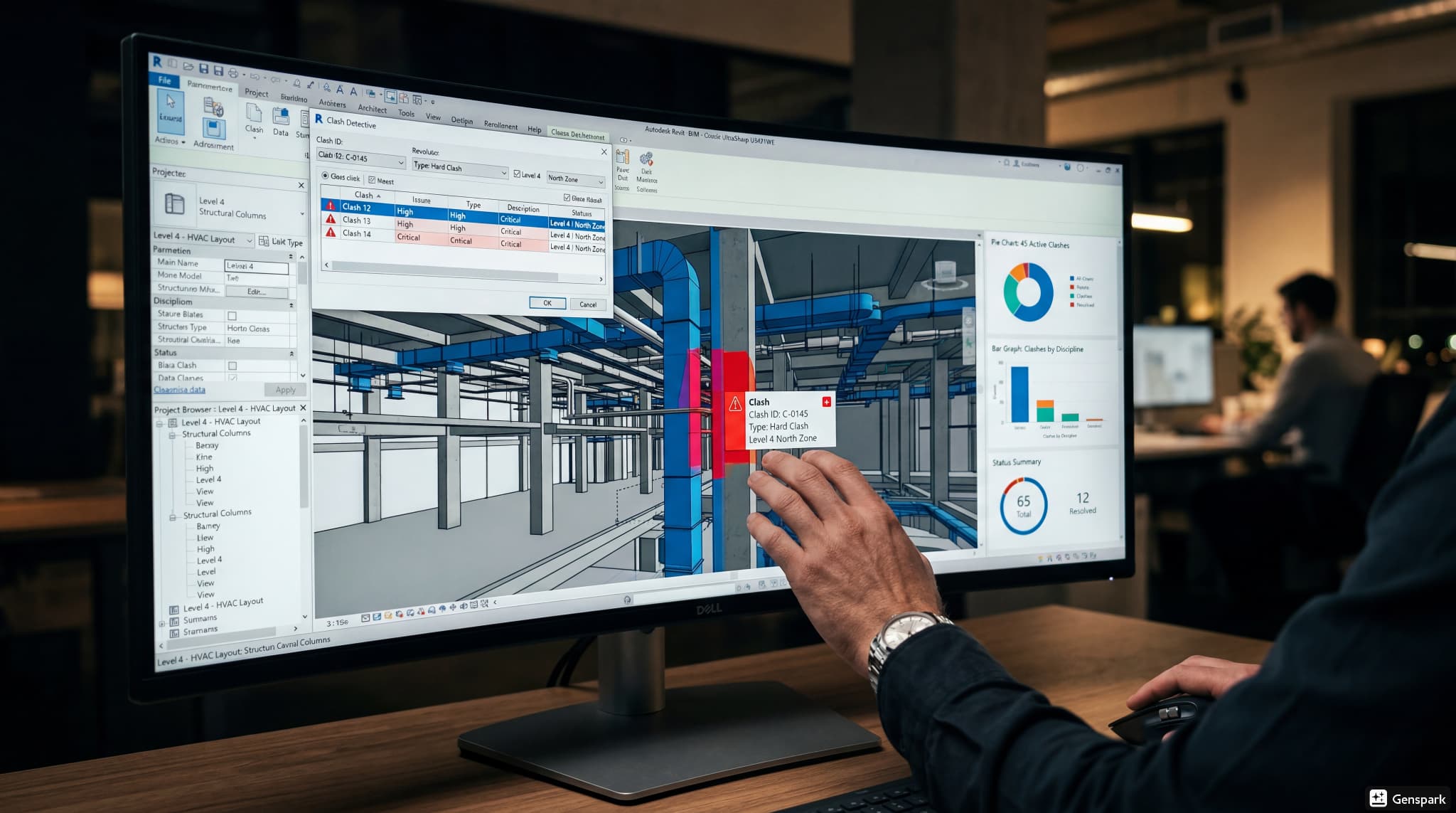
Yes, but it's changed quite a bit. A few years ago, it was sufficient to have a software certification on your resume to get noticed because not many people knew this software. It is now expected that everyone be basic digital competent. Today, the BIM market is valued at more than $10 billion, and virtually every mid-sized to large company has adopted BIM into their workflow.
In such an environment, a certificate is a minimum of qualification. It indicates to an employer that you have taken the time to learn the interface of certain BIM software. But now companies don't take certificates for granted. They understand that anyone can learn by rote or by watching videos on the web and pass a multiple-choice exam. Your credentials give employers an idea of whether you have a foundation, but they save their final judgment on a live project file.
## **What Do Employers Value More: Skills or Certifications?**
The table below shows what do employers value more [BIM skills](https://www.novatr.com/blog/most-in-demand-bim-skills-and-how-to-learn-them) or certifications when hiring for open positions.
| **Factor** | **What Employers Look For** | **Impact on Hiring** |
| --- | --- | --- |
| [BIM Certification](https://www.novatr.com/blog/what-is-the-bim-certification-cost-in-india-explained) | Proof of structured learning and commitment to professional development | Helps candidates pass initial screening and validates foundational BIM knowledge |
| **Practical BIM Skills** | Ability to create models, coordinate disciplines, produce documentation, and use tools like Revit and Navisworks effectively | Primary factor in hiring decisions and technical assessments |
| **Project Experience** | Hands-on experience through BIM courses, capstone projects, internships, or personal projects | Demonstrates job readiness and the ability to apply BIM concepts in real-world scenarios |
| **Problem-Solving & Coordination** | Ability to resolve clashes, manage model data, and collaborate across teams | Often influences final hiring decisions and long-term career growth |
*The bottom line:* BIM certifications can help you get noticed, but employers ultimately hire candidates who can demonstrate practical BIM skills, project experience, and the ability to work effectively within [BIM workflows](https://www.novatr.com/blog/cad-to-bim-transition).
## **Can BIM Certifications Help Freshers Get Hired?**
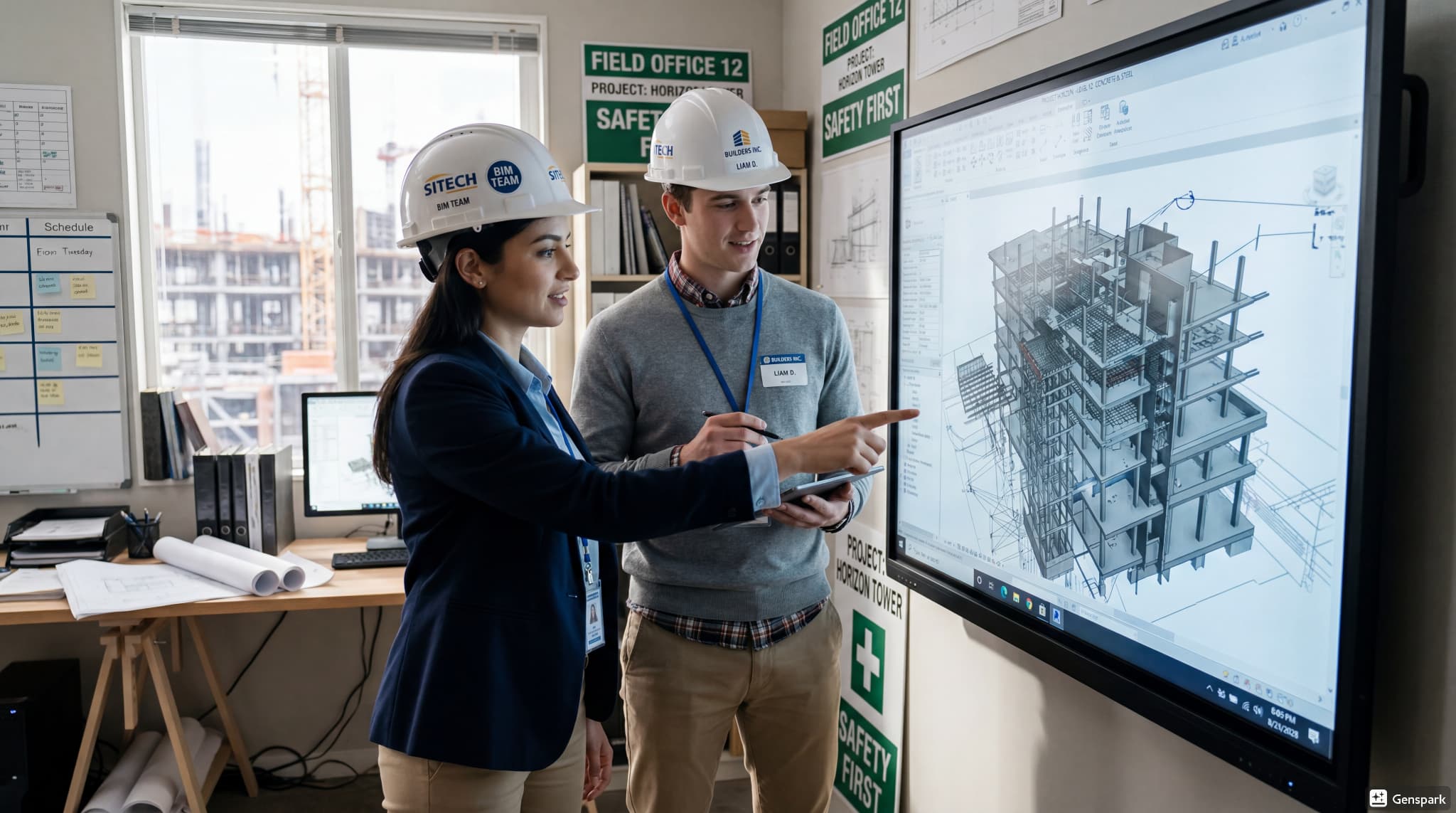
For recent graduates, the job market can feel like a trap, because many job listings want prior experience. So here’s the big question: can BIM certifications help freshers get hired if their portfolio is still limited?
A certification will help bridge the experience gap for a fresher and demonstrate initiative. It shows a hiring manager that you weren't satisfied with just learning what was taught in your university classes; you took the initiative to learn about modern construction technology. But for this certificate to lead to an offer of work, it needs to be supported by a defined learning pathway.
This is where specialized training can help. Freshers can learn the process of projects from initial design to final execution by enrolling in a complete BIM course from an industry recognized platform like Novatr. Students do not simply learn what buttons to push, but instead work on realistic case studies that simulate real office assignments. This turns a blank sheet of paper into a working toolbox of BIM skills, and a young professional into an empowered and capable professional from day one.
## Which BIM Certification Mistakes Should You Avoid?
A BIM certification can strengthen your career prospects, but only if it is backed by practical skills and industry-relevant knowledge. Avoid these common mistakes when building your BIM career:
- **Collecting Too Many Basic Certifications:** Multiple introductory certificates add little value if they do not build deeper expertise. Focus on comprehensive BIM training that develops real-world skills.
- **Learning Software Without Understanding BIM Workflows:** Knowing how to use Revit or Navisworks is important, but understanding BIM standards, collaboration processes, and project workflows is what employers truly value.
- **Skipping BIM Fundamentals:** Many learners rush into advanced tools and automation before mastering core BIM modeling skills. Strong Revit fundamentals remain essential for most BIM roles.
- **Ignoring Hands-On Project Experience:** Certifications alone rarely secure jobs. Building a portfolio through BIM projects, model coordination exercises, and real-world simulations can make you more job-ready.
- **Overlooking Communication and Collaboration Skills:** BIM is a [collaborative process](https://www.novatr.com/blog/how-bim-improves-collaboration-in-aec-projects) involving architects, engineers, contractors, and project stakeholders. The ability to communicate clearly and work within multidisciplinary teams is just as important as technical expertise.
The most valuable BIM certifications are those that combine software training, project-based learning, industry workflows, and practical application. Employers look for professionals who can apply BIM knowledge effectively, not just collect credentials.
## **How Do You Build Real BIM Experience Alongside Certification?**

Earning a BIM certification is valuable, but employers are often more interested in how well you can apply BIM concepts to real project scenarios. The best way to build credibility is by combining certification with hands-on project experience.
### **Ways to Gain Practical BIM Experience:**
- **Work on Realistic BIM Projects:** Go beyond simple modeling exercises and create multi-story buildings that include architectural, structural, and MEP systems.
- **Practice Model [Coordination](https://www.novatr.com/blog/bim-coordination-vs-traditional-coordination-and-why-bim-coordination-is-better):** Learn how different disciplines interact within a BIM environment and identify coordination challenges across models.
- **Perform [Clash Detection](https://www.novatr.com/blog/10-common-clash-detection-mistakes-to-avoid):** Use tools like [Navisworks](https://www.novatr.com/blog/navisworks-guide) to detect conflicts between building systems and practice resolving them while maintaining model integrity.
- **Document Your Process:** Record project workflows, coordination issues, and how you resolved them. This demonstrates your problem-solving and BIM coordination skills.
- **Build a Project-Based Portfolio:** Showcase BIM models, clash detection reports, quantity takeoffs, and coordination exercises to highlight practical experience.
- **Simulate Real-World Workflows:** Follow industry-standard BIM processes, naming conventions, and documentation practices to develop job-ready skills.
A portfolio that demonstrates BIM modeling, coordination, and problem-solving capabilities can help employers see that you are ready to contribute to real BIM projects, even without formal work experience.
Master BIM and Get Hired Faster
Join a community of 8500+ Architects and Engineers.
Explore Now
\*Limited seats available
## **Conclusion**
A certification is a helpful tool to open doors, but it is your practical capability that secures the job. Employers in the modern construction sector look for professionals who can jump straight into ongoing projects without needing basic software guidance.
If you want to build a sustainable career path, your educational choices should lean a lot toward real world application, not just theory. You can pick up these practical insights via [Novatr’s](https://www.novatr.com/) structured [BIM Professional Program](https://www.novatr.com/courses/bim-professional-program?utm_source=organic_search&utm_medium=blog&utm_campaign=), which shows you how to handle those complex digital workflows. Balancing structured learning with hands-on practice, that is probably the most reliable way to stay competitive over time.
For more, explore our career guides and industry insights on our [resource page](https://www.novatr.com/learning-hub).
## **FAQs**
### **1. Are BIM certifications worth it for career growth?**
Yes. They can help you get past human resources filters and also signal professional dedication, especially if you’re aiming for a role like BIM manager. Still, you really need to back that certificate up with solid technical and management skills.
### **2. What BIM certifications are recognized by employers?**
Employers respect official vendor badges like Autodesk Certified Professional. Programs from project-based institutions like Novatr also carry high weight because they prove you have spent months working on realistic, multi-disciplinary building workflows.
### **3. Is BIM certification enough to get a job?**
No, a certificate alone is rarely enough today. While it gets your resume noticed initially, most firms require a practical test showing you can use software to deliver accurate project data.
Was this content helpful to you
Like Yes
Dislike No

TABLE OF CONTENTS
BIM Is The New Standard. Are You Certified?
Get Certified in BIM
SHARE ON YOUR SOCIALS
Link Copied Successfully
Related articles
[ CIVIL 5 Best Online Certification Courses For BIM VDC Coordinator in USA 18 August 2025 5 min read](https://blog.novatr.com/blog/5-best-online-certification-courses-for-bim-vdc-coordinator-in-usa) [ Building Information Modelling Top BIM Modeling Certifications to Boost Your Career 6 August 2025 13 min read](https://blog.novatr.com/blog/top-bim-modeling-certifications) [.png) BIM 10 Factors to Pick an Advanced Online BIM Course 18 June 2026 8 min read](https://blog.novatr.com/blog/top-factors-to-choose-bim-course) [ BIM How To Transition from Tekla Modeler to a High-Paying BIM Engineer 11 November 2025 7 min read](https://blog.novatr.com/blog/how-to-transition-from-tekla-modeler-to-a-high-paying-bim-engineer)
Download Syllabus
## BIM Professional Program
Next Cohort
June 2026
Program Duration
7 Months
Premium Program benefits
8 Credentials from Autodesk, NSDC, Novatr
1 program. 10 career paths. Infinite Growth.
40+ ISO 19650 & RIBA real-world projects to practice
1-on-1 guidance. Access 400+ industry experts.
Access the biggest AEC-Tech community on the planet. 8500+ and counting
Curated for you by 100+ global BIM leaders.
Lifelong access to course content
Enter your details to download the program syllabus.
##### BIM Professional Program
June 2026, 7 Months
Your Name Invalid name.
Phone Number Enter a valid phone number
Email Please enter a valid email address.
Select years of experience\* Currently studying 0-1 years 1-2 years 2-4 years 4-8 years 8-10 years 10-12 years 12+ years Invalid selection.
Specialisation Select your background\* Architecture Civil Engineering Mechanical Engineering Electrical Engineering Invalid selection.
Are you professionally trained in interior design?
Yes
No
I agree to the [Terms of Use](https://www.novatr.com/terms-and-conditions) and [Privacy Policy](https://www.novatr.com/privacy-policy), and consent to be contacted by Email, Call, WhatsApp, or SMS.
Submit
Ready to skyrocket your career?
Begin your next chapter in AEC
with Novatr!
We are here to help you take the industry by storm with advanced, tech-first skills.
[Explore Courses](https://www.novatr.com/#courses)
Join our newsletter
Submit
Thank you for signing up.
We’ll send you a nice letter once per week. No spam.

Dare to Disrupt.
Join thousands of people who organise
work and life with Novatr.
Company
- [About Us](https://www.novatr.com/about)
- [BIM Professional Program v.2026](https://www.novatr.com/courses/bim-professional-program)
- [Masters Computational Design](https://www.novatr.com/courses/computational-design)
- [Become a Mentor](https://www.novatr.com/apply-as-mentor)
- [Hiring from Us](https://www.novatr.com/hire-from-us)
- [Careers at Novatr](https://www.novatr.com/career)
Resources
- [Blog](https://www.novatr.com/learning-hub)
- [Media Room](https://www.novatr.com/media-room-home-page)
- [Career Builder](https://www.novatr.com/career-navigator)
- [Events & Webinars](https://www.novatr.com/webinars)
- [FAQs & Support Center](https://www.novatr.com/contact-us)
- [Contact Us](https://www.novatr.com/contact-us)
- [Privacy Policy](https://www.novatr.com/privacy-policy)
- [Terms of Use](https://www.novatr.com/terms-and-conditions)
©2023 Oneistox Network Pvt. Ltd.
All Rights Reserved
```json
{
"@context" : "https://schema.org",
"@type" : "BlogPosting",
"author" : {
"@type" : "Person",
"name" : "Neha Singh",
"url" : "https://blog.novatr.com/blog/author/neha-singh"
},
"dateModified" : "2026-06-23T09:14:23.157Z",
"datePublished" : "2026-06-23T07:01:41.000Z",
"headline" : "Do BIM Certifications Actually Matter? {{year}}",
"image" : [ "https://blog.novatr.com/hubfs/ChatGPT%20Image%20Jun%2023%2c%202026%2c%2012_19_42%20PM.png" ],
"mainEntityOfPage" : {
"@id" : "https://blog.novatr.com/blog/do-bim-certifications-actually-matter-to-employers",
"@type" : "WebPage"
},
"publisher" : {
"@type" : "Organization",
"logo" : {
"@type" : "ImageObject",
"url" : "https://blog.novatr.com/hubfs/Novatr%20Prev%20OX-2.svg"
}
}
}
```