---
title: Everything You Need to Know About Computational architecture design
description: Learn everything about computational architecture design, how it works, why it matters, and the tools every modern architect should master in 2026.
image: https://blog.novatr.com/hubfs/Everything%20You%20Need%20to%20Know%20About%20Computational%20architecture%20design.jpg
---
[Blogs](https://www.novatr.com/learning-hub)
- [Architecture & Construction](https://www.novatr.com/learning-hub?category=Architecture+%26+Construction)
- [BIM](https://www.novatr.com/learning-hub?category=BIM)
- [Computational Design](https://www.novatr.com/learning-hub?category=Computational+Design)
- [Company News](https://www.novatr.com/learning-hub?category=Company+News)
- [Expert Talks](https://www.novatr.com/learning-hub?category=Expert+Talks)
Explore Courses
[Just Launched  BIM Professional Program v.2026 Take your career to the next level by mastering the real-world application of BIM. Know More](https://www.novatr.com/courses/bim-professional-program)
[ Master Computational Design Course Break into an advanced career by learning to apply the power of computation to the art of design. Know More](https://www.novatr.com/courses/computational-design)
[Blogs](https://www.novatr.com/learning-hub)
Explore Blogs
- [Architecture & Construction](https://www.novatr.com/learning-hub?category=Architecture+%26+Construction)
- [BIM](https://www.novatr.com/learning-hub?category=BIM)
- [Computational Design](https://www.novatr.com/learning-hub?category=Computational+Design)
- [Company News](https://www.novatr.com/learning-hub?category=Company+News)
- [Expert Talks](https://www.novatr.com/learning-hub?category=Expert+Talks)
Courses
- [BIM Professional Program v.2026](https://www.novatr.com/courses/bim-professional-program)
- [Master Computational Design](https://www.novatr.com/courses/computational-design)
- [BIM/](https://www.novatr.com/learning-hub?category=BIM) [BIM/](https://www.novatr.com/learning-hub?category=BIM)
Featured Article
# Everything You Need to Know About Computational architecture design

Bandana Singh
July 16, 2025
9 min read


In today’s rapidly evolving design world, innovation has become a necessity. That’s where computational design steps in. So, what is computational design? At its core, it’s a method of using algorithms, data, and logic-driven processes to help designers create smarter, more adaptive solutions.
This digital shift is giving rise to a powerful new approach known as computational architecture design. It’s reshaping how buildings are conceived, simulated, and constructed, making architecture more responsive to environmental factors, user needs, and complex geometries. From sustainable city planning to futuristic façades, computational methods are now a key part of modern design thinking.
Unlock High-Paying Careers With BIM
Master BIM workflows, software and skills on real projects.
Apply Now
\*Limited seats available
## What is Computational Architecture Design?
Computational design architecture is a design process that uses computer-based algorithms, mathematical logic, and parametric tools to inform and generate architectural forms. Rather than drawing static plans, architects now create systems that respond to inputs such as climate data, structural loads, or spatial requirements, leading to dynamic, optimised results.
There are five major verticals within this approach:
- **Parametric Design:** Enables designs to change automatically based on adjustable parameters.
- **Generative Design:** Allows architects to set goals and constraints, and lets the system generate multiple design options.
- **Digital Fabrication:** Connects design with advanced manufacturing techniques like 3D printing or CNC.
- **Algorithmic Design:** Involves step-by-step logic or rules to control form-making.
- **Biometric Design:** Draws inspiration from natural patterns and forms.
In essence, computational architecture design is about expanding an architect's expertise, improving efficiency, and enabling a level of complexity and customisation that was previously out of reach.
## 5 Examples of Best Computational Architectural Design
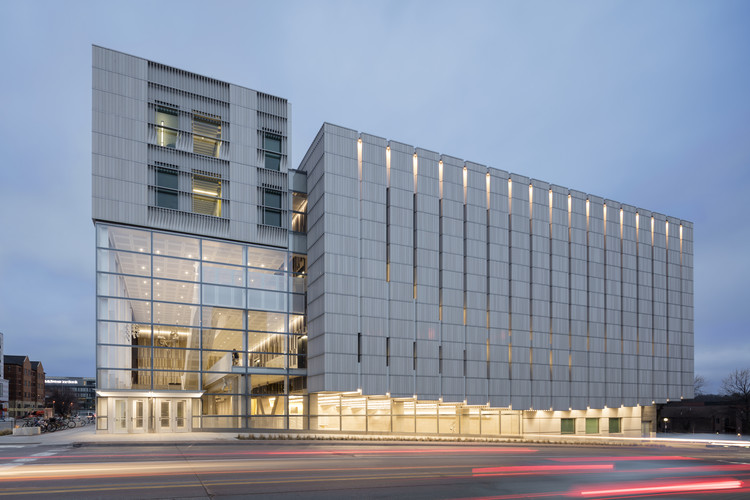
Computational design has transformed the way architects approach form, function, and feasibility. From [parametric design](https://www.novatr.com/blog/the-role-of-parametric-design-in-shaping-urban-smart-cities) to algorithm-driven structures, its impact is visible across iconic projects worldwide. These designs not only push aesthetic boundaries but also improve performance and sustainability. Here are five remarkable examples that highlight the power of computational architecture.
### 1. Heydar Aliyev Center in Azerbaijan
A masterpiece by Zaha Hadid Architects, the Heydar Aliyev Center stands out for its fluid, wave-like structure. Using generative design tools, the building’s form was shaped through digital algorithms to create seamless transitions between surfaces. This generative design building example showcases how advanced modelling can turn bold concepts into stunning realities.
### 2. Beijing National Aquatics Center
Also known as the Water Cube, this structure used advanced simulation and algorithm-based design techniques to mimic the natural form of soap bubbles. It’s an algorithmic design example where efficiency, sustainability, and striking aesthetics come together through rule-based digital modelling.
### 3. Peix Olímpic
Designed by Frank Gehry, the shimmering fish-like sculpture in Barcelona was created using early forms of parametric design. This parametric design example demonstrates how geometric logic and sun orientation data shaped the form, making it both a landmark and an environmental response.
### 4. The Shanghai Natural History Museum
Inspired by patterns in nature, this museum incorporates forms derived from shells, cells, and spirals. As a biometric design example, it uses computational tools to translate biological systems into architectural solutions that are efficient, functional, and visually engaging.
### 5. The Saga Tower in Sweden
Saga Tower blends cutting-edge design with precision manufacturing through digital fabrication techniques. Components were designed using [3D modelling](https://www.novatr.com/blog/everything-about-3d-modelling-in-construction) and produced with robotic assembly, making this digital fabrication example a perfect case of tech-enabled sustainable construction.
Also Read - [Best Practices for Computational Design every Architects should Know](https://www.novatr.com/blog/best-computational-design-practices)
## Software Used in Computational Architecture Design
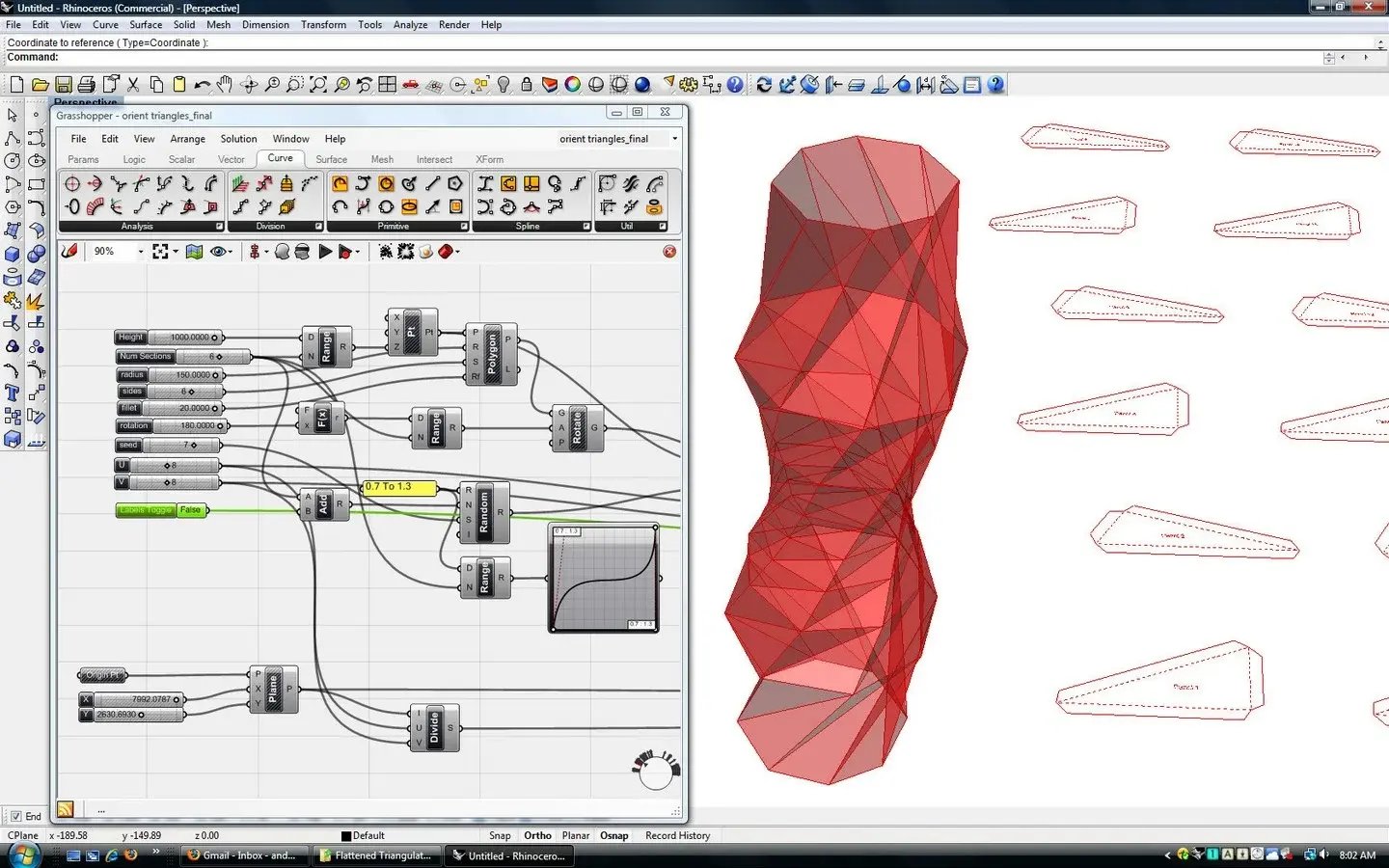
In the world of design computation, the right tools help bridge the gap between creative thinking and efficient execution. These software solutions play a key role in enhancing workflows across digital design and architecture.
### 1. Revit
A cornerstone in [BIM](https://www.novatr.com/blog/what-is-bim-for-architects)-based workflows, Revit allows architects to model, document, and coordinate building designs in a smart, parametric environment. It helps streamline collaboration with structural and MEP teams, reducing rework and increasing efficiency.
### 2. Grasshopper 3D
Built as a plugin for Rhino, [Grasshopper 3D](https://www.novatr.com/blog/rhino-grasshopper-in-parametric-design-modelling)offers a visual programming interface that lets users create complex forms and patterns using algorithms. It’s ideal for experimenting with design logic, geometry, and environmental data, without needing to write traditional code.
### 3. Navisworks
Best known for [clash detection](https://www.novatr.com/blog/bim-and-clash-detection-in-construction) and 4D simulation, Navisworks enables project teams to combine models from different platforms and analyse construction sequences. It ensures better project coordination and helps identify issues early in the digital design and architecture process.
### 4. Dynamo
A visual scripting tool that integrates with Revit, Dynamo empowers users to automate repetitive tasks, customise components, and apply advanced parametric rules. It’s especially useful for those looking to blend creativity with structured design computation.
### 5. AutoCAD
One of the most widely used tools in digital design and architecture, [AutoCAD](https://www.novatr.com/blog/autocad-vs-revit) enables precise 2D drafting and 3D modelling. While it may not offer the advanced parametric features of newer platforms, it remains a reliable choice for technical drawings, detailing, and quick layout planning.
## Best Places to Learn Computational Design
If you're ready to dive into the world of computational design, choosing the right learning platform is key. Here are some of the best places where you can get started.
### 1. [Master Computational Design Course for Real-World Application](https://www.novatr.com/courses/computational-design)
### [](https://www.novatr.com/courses/computational-design/l?utm_source=blog&utm_medium=website_card_after_intro&utm_campaign=mcd_course_leads)
Fee: INR 2,45,000
Duration: 6 months
Certificate: Yes, Get Certificates from Autodesk, NSDC & Novatr
Tailored for architects and designers, it blends technical training with real-world applications. You’ll learn essential tools like Rhino, Grasshopper, and [Revit](https://www.novatr.com/blog/detailed-revit-guide) through hands-on projects, guided by industry experts. With flexible learning, career-focused mentorship, and a strong peer community, the course equips you to solve real design challenges and build an impressive portfolio.
### 2. Introduction to Computational Design by Harvard University
Fee: NA
Duration: 8 weeks
Harvard University’s online course in Computational Design explores its role in architecture, landscape, and urban design. Combining lectures with practical workshops, it covers key [design software tools](https://www.novatr.com/blog/bim-modeling-software), algorithms, and iterative design methods. Learners gain hands-on experience in applying digital workflows to real-world projects.
### 3. Parametric Design by RAT Labs
Fees: N/A
Duration: 6 months
RAT Labs offers a six-month Parametric Design course tailored for architecture professionals and students. The programme focuses on parametric thinking, algorithmic design, and tool-based learning using software like Rhino and Grasshopper. It blends theory with real-world application, making it ideal for anyone keen to build strong, hands-on skills in parametric design.
Master BIM and Get Hired Faster
Join a community of 8500+ Architects and Engineers.
Explore Now
\*Limited seats available
## Conclusion
Computational architecture design is reshaping how we think, plan, and build in the modern world. Whether you're a student, a young professional, or simply curious about the future of design, now is the perfect time to explore its possibilities.
[Novatr](https://www.novatr.com/) is a platform built for architects and designers ready to push boundaries. Our [Master Computational Design Course for Real-World Application](https://www.novatr.com/courses/computational-design) offers hands-on learning guided by the leading architectural experts.
For more insights, tools, and updates on where the industry is headed, don’t forget to check out Novatr’s [Resource Page](https://www.novatr.com/learning-hub)!
## Frequently Asked Questions
### 1. Is computational design only for complex buildings?
Not at all. It can be applied to any scale of project, from simple layouts to intricate façades—to improve design logic and efficiency.
### 2. Do I need to know coding to use computational design tools?
Not necessarily. Many tools like Grasshopper and Dynamo use visual programming, making them beginner-friendly and easy to learn.
#### 3. Which software is best to start with in computational design?
Revit, Dynamo, and Grasshopper 3D are great starting points, depending on whether you're more focused on BIM or form exploration.
Was this content helpful to you
Like Yes
Dislike No

TABLE OF CONTENTS
BIM Is The New Standard. Are You Certified?
Get Certified in BIM
SHARE ON YOUR SOCIALS
Link Copied Successfully
Related articles
[ Building Information Modelling Essential Revit Tools Every Architect & BIM Engineer Must Know 18 April 2025 4 min read](https://blog.novatr.com/blog/top-revit-tools-for-architects-and-bim-engineers) [ SketchUp Workflows for Architects for 2026 13 April 2026 5 min read](https://blog.novatr.com/blog/sketchup-workflow-for-architects) [ SME Perspective: The Top Software Every BIM Architect Should Master 25 November 2025 4 min read](https://blog.novatr.com/blog/top-bim-software-every-bim-architect-should-master) [ Building Information Modelling Famous Architectural Designers Who Shaped the World of Design 17 June 2025 8 min read](https://blog.novatr.com/blog/famous-architectural-designers)
Download Syllabus
## BIM Professional Program
Next Cohort
June 2026
Program Duration
7 Months
Premium Program benefits
8 Credentials from Autodesk, NSDC, Novatr
1 program. 10 career paths. Infinite Growth.
40+ ISO 19650 & RIBA real-world projects to practice
1-on-1 guidance. Access 400+ industry experts.
Access the biggest AEC-Tech community on the planet. 8500+ and counting
Curated for you by 100+ global BIM leaders.
Lifelong access to course content
Enter your details to download the program syllabus.
##### BIM Professional Program
June 2026, 7 Months
Your Name Invalid name.
Phone Number Enter a valid phone number
Email Please enter a valid email address.
Select years of experience\* Currently studying 0-1 years 1-2 years 2-4 years 4-8 years 8-10 years 10-12 years 12+ years Invalid selection.
Specialisation Select your background\* Architecture Civil Engineering Mechanical Engineering Electrical Engineering Invalid selection.
Are you professionally trained in interior design?
Yes
No
I agree to the [Terms of Use](https://www.novatr.com/terms-and-conditions) and [Privacy Policy](https://www.novatr.com/privacy-policy), and consent to be contacted by Email, Call, WhatsApp, or SMS.
Submit
Ready to skyrocket your career?
Begin your next chapter in AEC
with Novatr!
We are here to help you take the industry by storm with advanced, tech-first skills.
[Explore Courses](https://www.novatr.com/#courses)
Join our newsletter
Submit
Thank you for signing up.
We’ll send you a nice letter once per week. No spam.

Dare to Disrupt.
Join thousands of people who organise
work and life with Novatr.
Company
- [About Us](https://www.novatr.com/about)
- [BIM Professional Program v.2026](https://www.novatr.com/courses/bim-professional-program)
- [Masters Computational Design](https://www.novatr.com/courses/computational-design)
- [Become a Mentor](https://www.novatr.com/apply-as-mentor)
- [Hiring from Us](https://www.novatr.com/hire-from-us)
- [Careers at Novatr](https://www.novatr.com/career)
Resources
- [Blog](https://www.novatr.com/learning-hub)
- [Media Room](https://www.novatr.com/media-room-home-page)
- [Career Builder](https://www.novatr.com/career-navigator)
- [Events & Webinars](https://www.novatr.com/webinars)
- [FAQs & Support Center](https://www.novatr.com/contact-us)
- [Contact Us](https://www.novatr.com/contact-us)
- [Privacy Policy](https://www.novatr.com/privacy-policy)
- [Terms of Use](https://www.novatr.com/terms-and-conditions)
©2023 Oneistox Network Pvt. Ltd.
All Rights Reserved
```json
{
"@context" : "https://schema.org",
"@type" : "BlogPosting",
"author" : {
"@type" : "Person",
"name" : "Bandana Singh",
"url" : "https://blog.novatr.com/blog/author/bandana-singh"
},
"dateModified" : "2025-11-17T05:55:43.003Z",
"datePublished" : "2025-07-16T08:21:42.000Z",
"headline" : "Everything You Need to Know About Computational architecture design",
"image" : [ "https://blog.novatr.com/hubfs/Everything%20You%20Need%20to%20Know%20About%20Computational%20architecture%20design.jpg" ],
"mainEntityOfPage" : {
"@id" : "https://blog.novatr.com/blog/computational-architecture-design-software-examples-and-courses",
"@type" : "WebPage"
},
"publisher" : {
"@type" : "Organization",
"logo" : {
"@type" : "ImageObject",
"url" : "https://blog.novatr.com/hubfs/Novatr%20Prev%20OX-2.svg"
}
}
}
```