



Why BIM Skills Create a Salary Gap in the Architecture Industry?
Architectural work is evolving as digital tools become more common, affecting how projects are planned and coordinated. Architects who can work with BIM models often take on responsibilities that go beyond traditional drafting, including managing information across teams and supporting project coordination.
Firms consider these contributions when evaluating performance and compensation. Differences in workflow, collaboration, and technical involvement between traditional and BIM-focused approaches can influence career opportunities and create variations in salary within architecture practices.
The following points explain why BIM expertise often leads to higher salary potential:
-
BIM architects manage coordinated digital building models used by multiple disciplines during design and construction phases.
-
Firms value BIM professionals because they connect architectural design with structural, mechanical, and construction information inside a shared model.
-
BIM expertise increases an architect’s role during coordination meetings where design conflicts are identified and resolved early.
-
Companies often pay more for BIM-capable architects because their work reduces coordination errors that can delay projects.
-
BIM professionals frequently support project teams with model-based data used for scheduling, cost planning, and technical coordination.
-
SMEs observe that architects who understand BIM workflows often become key contributors in multidisciplinary project delivery environments.
What Firms Expect From BIM Architects That Justifies Higher Compensation?
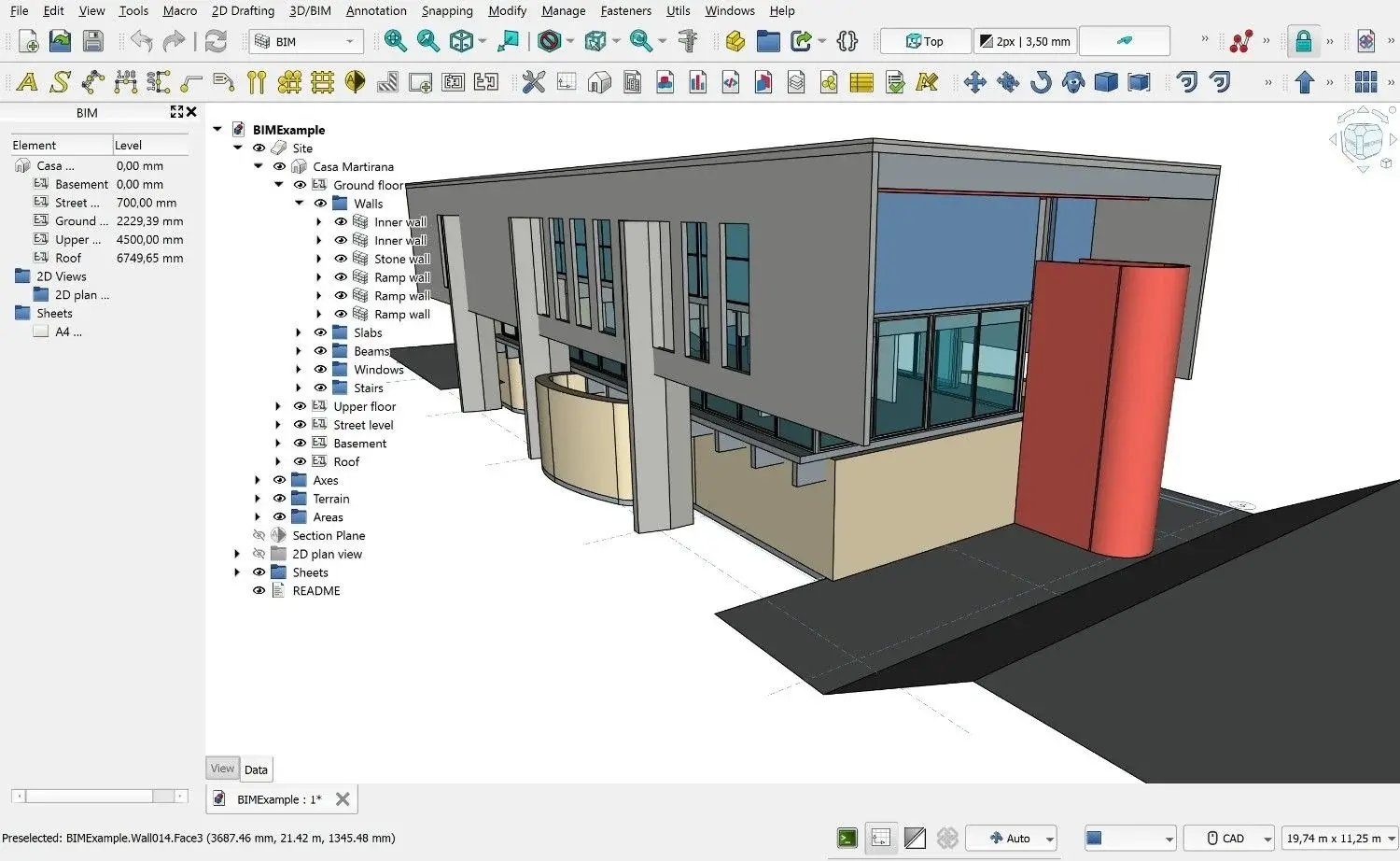
BIM has changed how architectural projects are planned and coordinated, increasing the role of digital modeling in design and construction processes. Architects working with BIM manage detailed project information, help teams stay aligned, and support technical decision-making throughout a project. Their involvement in model-based workflows and collaboration across disciplines impacts project efficiency, coordination, and the overall flow of work, highlighting the growing importance of these skills in modern architectural practice.
Here are the key expectations firms have from BIM architects when determining higher compensation:
-
BIM architects are expected to produce detailed digital models that contain accurate building information used by multiple project teams.
-
Firms value professionals who can review models to identify spatial or technical conflicts before drawings reach construction documentation.
-
During design stages, BIM architects help teams study layouts and building systems through model-based analysis rather than only drawings.
-
In coordination stages, BIM specialists organize model updates so architects, engineers, and consultants work from consistent project information.
-
Firms associate higher salaries with BIM professionals who deliver dependable model data that supports planning, documentation, and technical reviews.
-
Architects with BIM expertise are often expected to guide teams in maintaining modeling standards across large or multidisciplinary projects.
Real-World Examples of Career & Salary Growth Through BIM Skills.
Architecture firms often observe different career progress patterns between architects with BIM expertise and those working mainly with traditional documentation methods. Project teams increasingly depend on professionals who understand model-based coordination. As BIM responsibilities expand across project stages, architects with these skills frequently move into roles associated with higher compensation.
Here are examples of career and salary growth linked to BIM skills.
-
Some architects move from junior design roles to BIM coordination positions within two to three years after gaining modeling expertise.
-
Firms sometimes promote BIM-proficient architects earlier because they support multidisciplinary coordination during complex projects.
-
In several firms, architects who develop strong BIM capabilities shift into BIM lead or model management roles with higher pay ranges.
-
BIM-focused professionals often receive salary increases after demonstrating consistent coordination support across multiple projects.
-
Compared with non-BIM architects, BIM specialists frequently participate in technical reviews that influence project planning decisions.
-
Architects who build strong BIM knowledge sometimes transition into roles involving digital project workflows and team guidance.
The Future of Salaries: How BIM Will Shape Compensation Trends.
As BIM becomes a standard part of architectural work, architects’ skills in managing digital models and coordinating with multiple teams are becoming more important. Firms are starting to consider these abilities when deciding salaries and career progression. Professionals who can handle BIM workflows, collaborate effectively across disciplines, and provide accurate project information are likely to see higher compensation as the industry increasingly relies on digital project management and integrated design processes.
Here are key trends shaping future salary expectations for BIM-related roles.
-
Salary expectations are expected to rise as BIM becomes a core requirement for architectural project delivery across many firms.
-
Roles such as BIM manager, digital delivery lead, and model coordinator often offer higher earning potential than traditional design-only positions.
-
Architects who understand data-driven building models may gain greater involvement in technical planning and coordination decisions.
-
Knowledge of BIM standards, model documentation processes, and interdisciplinary coordination can strengthen long-term salary prospects.
-
Firms increasingly value professionals who can manage complex digital workflows across large or multidisciplinary projects.
-
Architects who continue developing BIM expertise alongside design capability are more likely to maintain competitive compensation levels.
SME Recommendations: How Architects Can Maximize Their Earning Potential.
Architects who want to increase their earning potential need to develop skills that go beyond traditional design work. Firms now value professionals who can manage digital models, coordinate project information, and support multiple teams. Expanding knowledge in these areas can improve career growth and salary opportunities. Gaining experience in BIM workflows, project coordination, and model management prepares architects to take on more responsibility and positions them for higher-paying roles over time.
Here are key recommendations architects can consider to increase earning potential:
-
Traditional architects can begin transitioning by learning BIM software such as Revit or similar modeling platforms used in professional practice.
-
Certifications related to BIM coordination or digital construction workflows often strengthen professional credibility during hiring or promotion decisions.
-
Architects who gain experience in multidisciplinary project coordination may qualify for roles with higher compensation responsibility.
-
Developing knowledge of BIM standards, model documentation processes, and information management can strengthen career growth prospects.
-
Participation in large or technically complex projects often helps architects demonstrate skills valued in higher-paying positions.
-
Long-term financial growth often depends on combining strong design expertise with advanced digital modeling and coordination knowledge.

.png)

.png)
