---
title: BIM Integration With Smart Building Systems in MEP 2026
description: Learn how BIM integrates with smart building systems in MEP projects using IoT, data exchange, and automation to improve performance and efficiency.
image: https://blog.novatr.com/hubfs/How%20BIM%20Integrates%20with%20Smart%20Building%20Systems%20in%20MEP%20Projects.png
---
[Blogs](https://www.novatr.com/learning-hub)
- [Architecture & Construction](https://www.novatr.com/learning-hub?category=Architecture+%26+Construction)
- [BIM](https://www.novatr.com/learning-hub?category=BIM)
- [Computational Design](https://www.novatr.com/learning-hub?category=Computational+Design)
- [Company News](https://www.novatr.com/learning-hub?category=Company+News)
- [Expert Talks](https://www.novatr.com/learning-hub?category=Expert+Talks)
Explore Courses
[Just Launched  BIM Professional Program v.2026 Take your career to the next level by mastering the real-world application of BIM. Know More](https://www.novatr.com/courses/bim-professional-program)
[ Master Computational Design Course Break into an advanced career by learning to apply the power of computation to the art of design. Know More](https://www.novatr.com/courses/computational-design)
[Blogs](https://www.novatr.com/learning-hub)
Explore Blogs
- [Architecture & Construction](https://www.novatr.com/learning-hub?category=Architecture+%26+Construction)
- [BIM](https://www.novatr.com/learning-hub?category=BIM)
- [Computational Design](https://www.novatr.com/learning-hub?category=Computational+Design)
- [Company News](https://www.novatr.com/learning-hub?category=Company+News)
- [Expert Talks](https://www.novatr.com/learning-hub?category=Expert+Talks)
Courses
- [BIM Professional Program v.2026](https://www.novatr.com/courses/bim-professional-program)
- [Master Computational Design](https://www.novatr.com/courses/computational-design)
- [MEP/](https://www.novatr.com/learning-hub?category=BIM)
Featured Article
# How BIM Integrates with Smart Building Systems in MEP Projects?

Neha Singh
May 13, 2026
5 min read

The use of smart building systems using BIM is changing how MEP projects are designed and managed. According to the latest reports in the industry, over 60% of the major construction projects are currently utilizing some digital model and automation systems. The update shows how connected technology makes a vital contribution to building performance because it now serves as a critical element of building operations.
Building Information Modeling (BIM) together with intelligent systems enables the creation of actual building models which smart buildings use to assess their performance. The system partners work together to create operational processes that become more effective while they reduce energy consumption and support decision-making activities.
By comprehending the integration, professionals can create more dependable and effective buildings.
## **Key Takeaways**
- BIM is the convergence of design models and data from smart systems in real time using BIM systems
- This can be done by connecting to the IoT integration to monitor building performance on an ongoing basis
- Integration enhances energy management, maintenance and efficiency in smart buildings
- Data exchange is a key factor in facilitating better decision making within teams managing building systems
- By combining BIM with IoT, it becomes possible to develop smart infrastructure that is scalable
Unlock High-Paying Careers With BIM
Master BIM workflows, software and skills on real projects.
Apply Now
\*Limited seats available
## **What Does BIM Integration With Smart Building Systems Mean in MEP Projects?**
BIM integration with smart systems requires the establishment of digital building models which connect to real-time system data. The system allows teams to monitor and manage building operations more efficiently. The integration process establishes links between BIM systems and MEP project components which include sensors, automation, and control systems.
To understand what is BIM and IoT integration in MEP projects, think in terms of models and data:
- BIM is a digital model of the building parts
- Smart systems gather physical equipment data
- Both are integrated so that they will give real-time insights
This association can get teams from static models to dynamic systems. It also allows for the development of a digital twin which maintains synchronicity of the physical building and digital model.
Because of this, engineers can monitor performance, predict issues and improve efficiencies in systems throughout the entire life of a building.
## **How Does BIM Connect With IoT-Enabled Building Systems?**
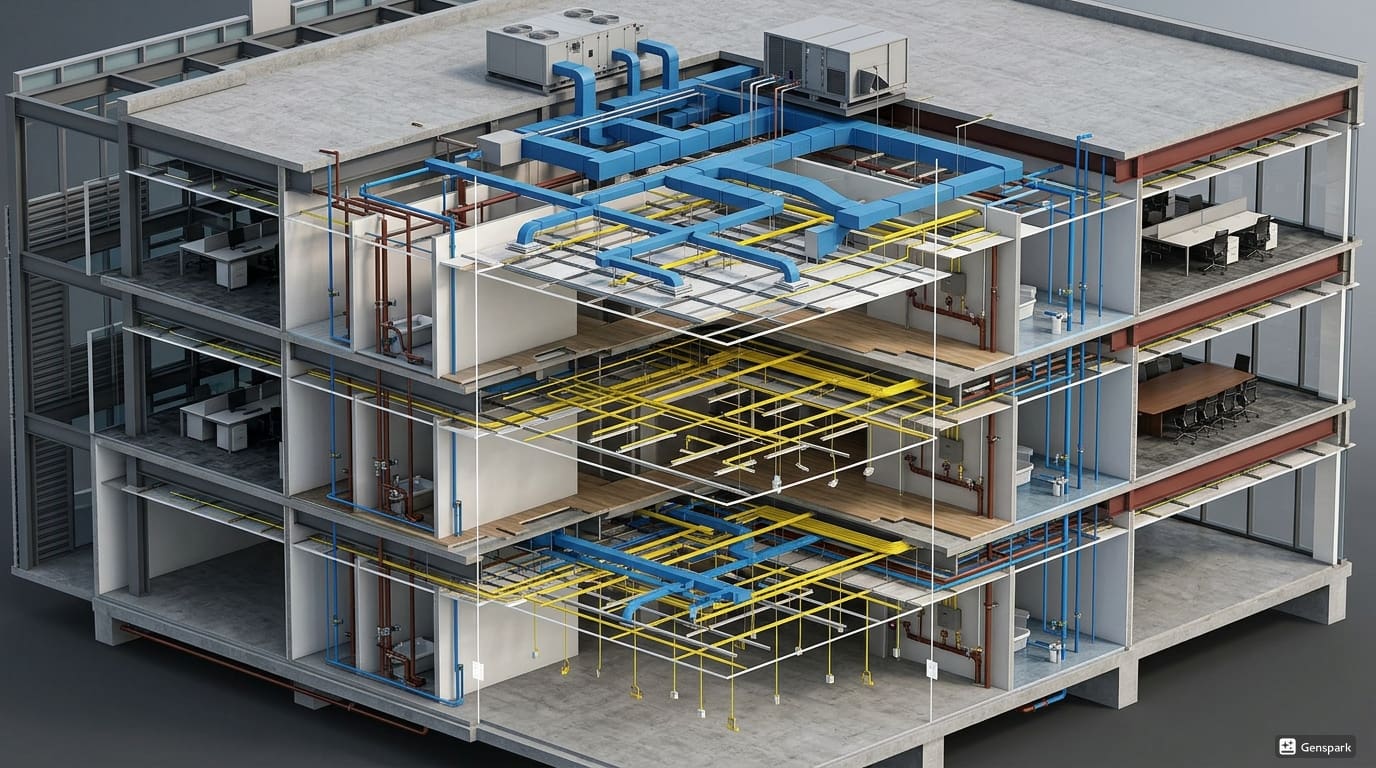
By integrating BIM in IoT, it could be said that IoT systems could be connected to this digital model and building IoT sensor data. These sensors are for energy consumption, occupancy, system performance and temperature.
how BIM connects with smart building technologies involves several steps, such as:
- Sensors on all parts of MEP systems
- The data that is sent to a central platform
- BIM models where up-to-date information is reflected
What does it look like in the real world when how IoT sensors work with BIM models?
For example:
- Dynamically updating the model with HVAC performance using temperature sensors
- Energy meters are used to track energy usage patterns
- Occupancy sensor controlled lighting and ventilation systems
The integration helps to bring automation to IoT buildings. When inefficiency is found in the process, it can be corrected without the user's effort.
This connection between BIM IoT systems ensures that not only are the models a design tool, but they're an operational tool throughout building life.
[Also Read: Top 50 MEP Interview Questions & Answers ](https://www.novatr.com/blog/best-mep-engineer-interview-questions)
## **Why Is BIM and IoT Integration Important for Smart Building Performance?**
The use of BIM and IoT has a significant impact on the performance of buildings. It provides more control, monitoring and optimization of systems.
These are some of the benefits of knowing why BIM is important for smart buildings:
### **Real-Time Monitoring**
Continuous data flow allows users to easily monitor system performance. Immediate identification of issues.
### **Improved Energy Efficiency**
Time to adjust systems to use. This will reduce the energy loss and running costs.
### **Predictive Maintenance**
The data enables early detection of failure signals, hence decreases downtime and repair expenses.
### **Better Decision-Making**
Data and data sources are accurate, and used to aid planning and upgrades. Teams can fine tune system performance.
### **Enhanced User Comfort**
Systems automatically react to people and to the environment. This enhances the indoor comfort and usability.
These are the benefits of how smart buildings perform more efficiently with integrated building systems in reality.
## **What Technologies Enable Data Exchange Between BIM and Smart Systems?**
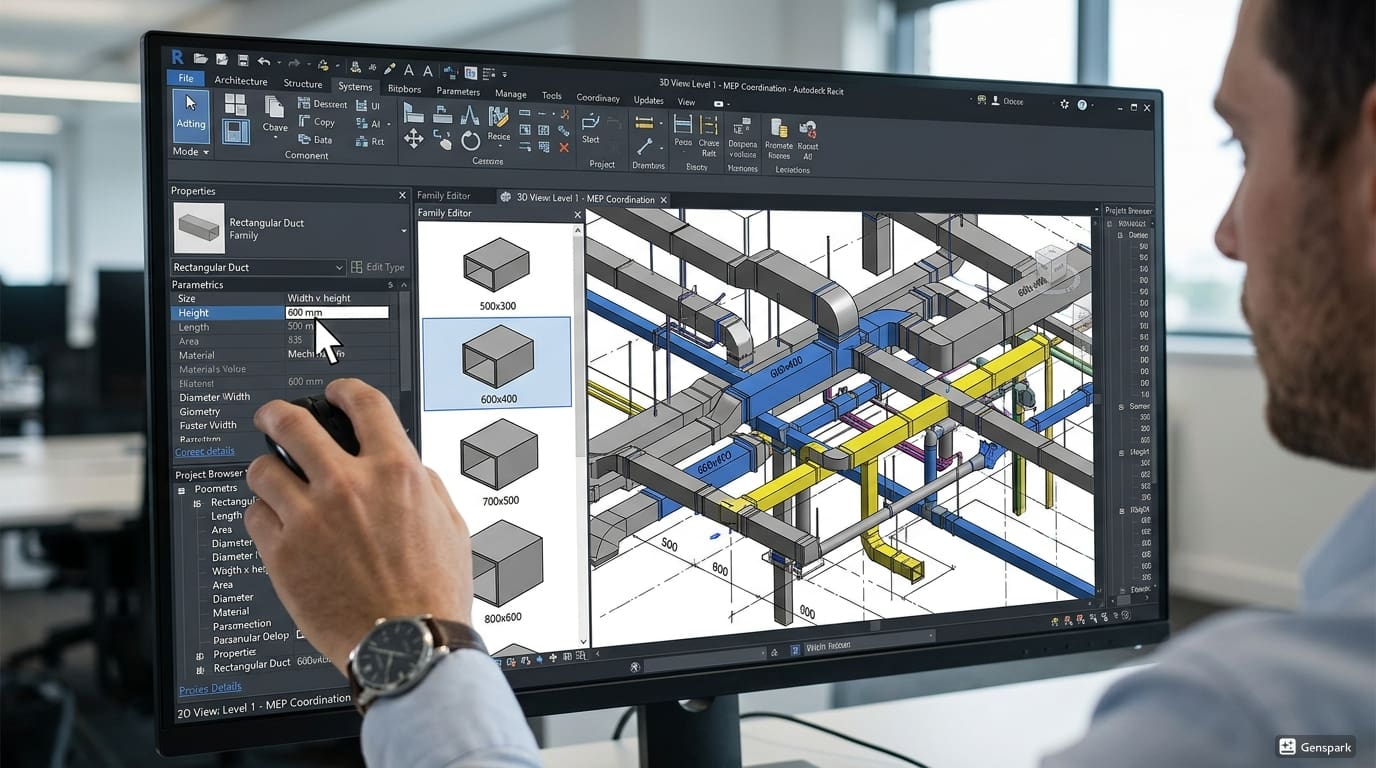
Communication between BIM and smart systems can be achieved with some technologies.
### **Cloud Platforms**
- They provide users with capabilities to store and manage data.
- The system allows users to access the platform remotely while working together on projects.
### **Application Programming Interfaces (APIs)**
- Unrestrict communication between different systems
- Make connections between BIM data and computer automated programs
### **IoT Devices and Sensors**
- Collect real-world data for components of buildings
- Provide assistance to the integration of **IoT integration** in systems
### **Building Management Systems (BMS)**
- Control building operations
- Seamlessly connect to BIM to give better visualization
### **Data Analytics Tools**
- Collect, process and interpret quantitative data
- Offer suggestions for improvement
These technologies help realize seamless building automation and the creation of connected smart infrastructure.
[Also Read: Top 10 MEP Engineering Courses in India ](https://www.novatr.com/blog/top-mep-engineering-courses-in-india)
## **What Challenges Come With Integrating BIM and IoT in MEP Projects?**
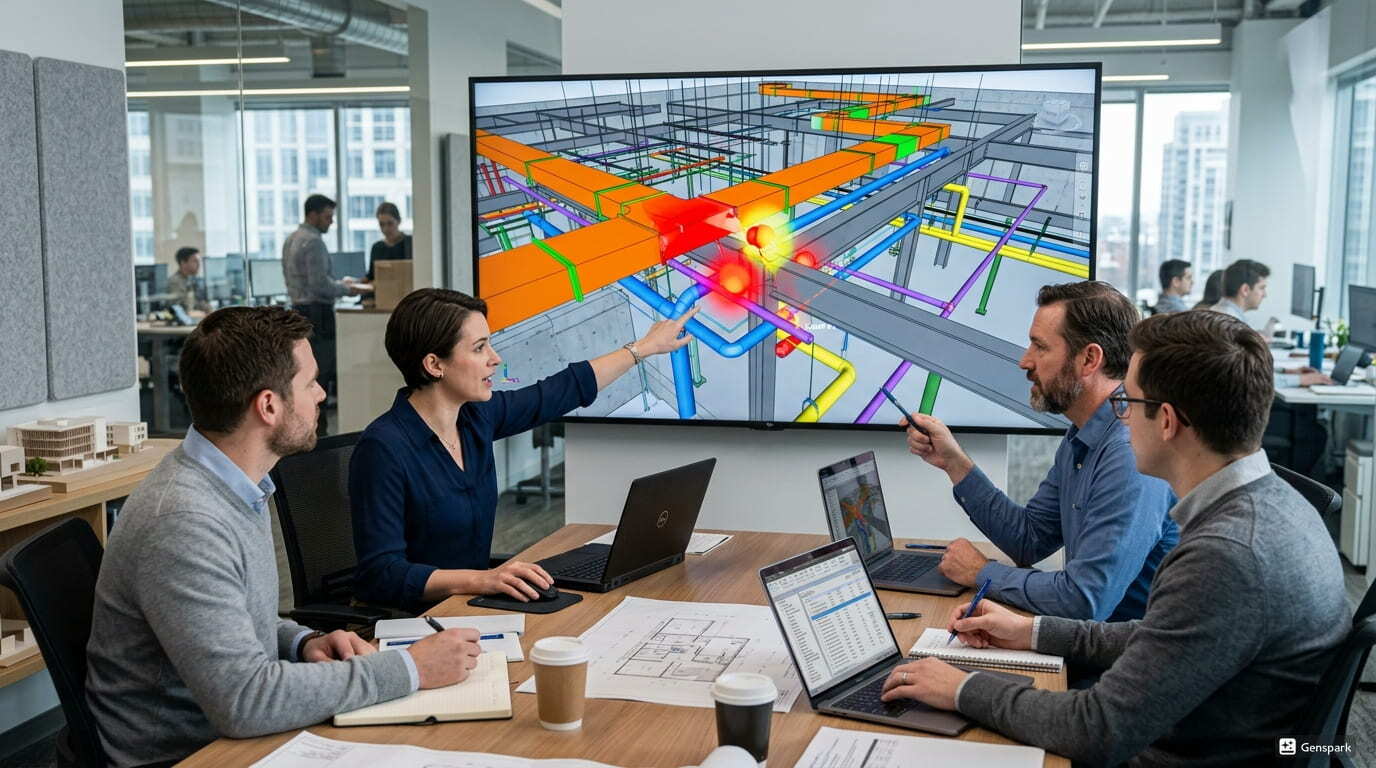
Integration has its benefits but it also brings challenges which need to be planned for.
### **Data Compatibility Issues**
- Systems can be in various formats.
- Standardization needs to be established.
**High Initial Costs**
- The project requires expensive sensors together with software.
- The project needs initial funding before it can start.
**Skill Gaps**
- The team members do not have sufficient knowledge about BIM systems and IoT technologies.
- Training is needed.
**Cybersecurity Risks**
- When two or more systems are linked in any way, the exposure to risks is greatly increased.
- High security is needed.
**Complex Implementation**
- The need to work cross-team.
- The lack of planning can decrease efficiency.
These challenges can be identified as a smart building systems using BIM workflow issues if proper planning is done.
Master BIM and Get Hired Faster
Join a community of 8500+ Architects and Engineers.
Explore Now
\*Limited seats available
## Conclusion
The utilization of smart building systems using BIM concepts is revolutionizing the design and management of MEP projects. Real-time data and digital models maximize the pro ductivity, deliver cost savings and pull in performance gains. This integration enhances the robustness of decision-making and maintenance planning for the future.
With the development of smart buildings, it is imperative that everyone in the AEC industry understands these systems. For hands-on experience, consider [BIM Course for MEP Engineers](https://www.novatr.com/courses/bim-for-mep-engineers) by [Novatr](https://www.novatr.com/).
Learning resources can also be accessed on the [resource page](https://www.novatr.com/learning-hub) which include up to date industry insights and tools.
## **FAQs**
### **1. How does BIM integrate with smart building systems?**
By integrating digital models with real-time sensor data, BIM can also be linked to smart systems. The system allows teams to monitor and improve building performance throughout its entire lifespan.
### **2. What are IoT-enabled building systems in construction?**
The Internet of Things (IoT) systems use sensors and devices to gather building data. The systems use their data to control project operations while they optimize construction efficiency.
### **3. How does BIM connect with IoT in MEP projects?**
BIM allows integration with IoT through the process of embedding digital models into MEP system data which gets updated in real time. The system enables teams to receive immediate updates while they monitor performance and discover problems.
Was this content helpful to you
Like Yes
Dislike No

TABLE OF CONTENTS
BIM Is The New Standard. Are You Certified?
Get Certified in BIM
SHARE ON YOUR SOCIALS
Link Copied Successfully
Related articles
[.png) MEP Optimizing HVAC System Design Using BIM Models 13 May 2026 4 min read](https://blog.novatr.com/blog/optimizing-hvac-system-design-using-bim-models) [.png) MEP What Makes a BIM MEP Course Truly Industry-Relevant? 21 May 2026 6 min read](https://blog.novatr.com/blog/what-makes-a-bim-mep-course-truly-industry-relevant) [.png) MEP MEP Modelling in Revit: Faster and Smarter System Design 12 May 2026 5 min read](https://blog.novatr.com/blog/mep-modelling-in-revit-for-faster-system-design) [.png) MEP MEP Course Syllabus Breakdown: What You'll Learn Week-by-Week 14 May 2026 7 min read](https://blog.novatr.com/blog/mep-course-syllabus-breakdown)
Download Syllabus
## BIM Professional Program
Next Cohort
June 2026
Program Duration
7 Months
Premium Program benefits
8 Credentials from Autodesk, NSDC, Novatr
1 program. 10 career paths. Infinite Growth.
40+ ISO 19650 & RIBA real-world projects to practice
1-on-1 guidance. Access 400+ industry experts.
Access the biggest AEC-Tech community on the planet. 8500+ and counting
Curated for you by 100+ global BIM leaders.
Lifelong access to course content
Enter your details to download the program syllabus.
##### BIM Professional Program
June 2026, 7 Months
Your Name Invalid name.
Phone Number Enter a valid phone number
Email Please enter a valid email address.
Select years of experience\* Currently studying 0-1 years 1-2 years 2-4 years 4-8 years 8-10 years 10-12 years 12+ years Invalid selection.
Specialisation Select your background\* Architecture Civil Engineering Mechanical Engineering Electrical Engineering Invalid selection.
Are you professionally trained in interior design?
Yes
No
I agree to the [Terms of Use](https://www.novatr.com/terms-and-conditions) and [Privacy Policy](https://www.novatr.com/privacy-policy), and consent to be contacted by Email, Call, WhatsApp, or SMS.
Submit
Ready to skyrocket your career?
Begin your next chapter in AEC
with Novatr!
We are here to help you take the industry by storm with advanced, tech-first skills.
[Explore Courses](https://www.novatr.com/#courses)
Join our newsletter
Submit
Thank you for signing up.
We’ll send you a nice letter once per week. No spam.

Dare to Disrupt.
Join thousands of people who organise
work and life with Novatr.
Company
- [About Us](https://www.novatr.com/about)
- [BIM Professional Program v.2026](https://www.novatr.com/courses/bim-professional-program)
- [Masters Computational Design](https://www.novatr.com/courses/computational-design)
- [Become a Mentor](https://www.novatr.com/apply-as-mentor)
- [Hiring from Us](https://www.novatr.com/hire-from-us)
- [Careers at Novatr](https://www.novatr.com/career)
Resources
- [Blog](https://www.novatr.com/learning-hub)
- [Media Room](https://www.novatr.com/media-room-home-page)
- [Career Builder](https://www.novatr.com/career-navigator)
- [Events & Webinars](https://www.novatr.com/webinars)
- [FAQs & Support Center](https://www.novatr.com/contact-us)
- [Contact Us](https://www.novatr.com/contact-us)
- [Privacy Policy](https://www.novatr.com/privacy-policy)
- [Terms of Use](https://www.novatr.com/terms-and-conditions)
©2023 Oneistox Network Pvt. Ltd.
All Rights Reserved
```json
{
"@context" : "https://schema.org",
"@type" : "BlogPosting",
"author" : {
"@type" : "Person",
"name" : "Neha Singh",
"url" : "https://blog.novatr.com/blog/author/neha-singh"
},
"dateModified" : "2026-05-13T05:55:57.700Z",
"datePublished" : "2026-05-13T05:31:31.000Z",
"headline" : "BIM Integration With Smart Building Systems in MEP {{year}}",
"image" : [ "https://blog.novatr.com/hubfs/How%20BIM%20Integrates%20with%20Smart%20Building%20Systems%20in%20MEP%20Projects.png" ],
"mainEntityOfPage" : {
"@id" : "https://blog.novatr.com/blog/bim-integration-with-smart-building-systems-in-mep",
"@type" : "WebPage"
},
"publisher" : {
"@type" : "Organization",
"logo" : {
"@type" : "ImageObject",
"url" : "https://blog.novatr.com/hubfs/Novatr%20Prev%20OX-2.svg"
}
}
}
```