---
title: BIM Career Path for Architects after BIM Certification 2026
description: Discover what jobs architects can get after BIM certification. Explore career growth, salary trends, skills, and long-term paths to management.
image: https://blog.novatr.com/hubfs/ChatGPT%20Image%20Jun%2022%2c%202026%2c%2005_15_02%20PM.png
---
[Blogs](https://www.novatr.com/learning-hub)
- [Architecture & Construction](https://www.novatr.com/learning-hub?category=Architecture+%26+Construction)
- [BIM](https://www.novatr.com/learning-hub?category=BIM)
- [Computational Design](https://www.novatr.com/learning-hub?category=Computational+Design)
- [Company News](https://www.novatr.com/learning-hub?category=Company+News)
- [Expert Talks](https://www.novatr.com/learning-hub?category=Expert+Talks)
Explore Courses
[Just Launched  BIM Professional Program v.2026 Take your career to the next level by mastering the real-world application of BIM. Know More](https://www.novatr.com/courses/bim-professional-program)
[ Master Computational Design Course Break into an advanced career by learning to apply the power of computation to the art of design. Know More](https://www.novatr.com/courses/computational-design)
[Blogs](https://www.novatr.com/learning-hub)
Explore Blogs
- [Architecture & Construction](https://www.novatr.com/learning-hub?category=Architecture+%26+Construction)
- [BIM](https://www.novatr.com/learning-hub?category=BIM)
- [Computational Design](https://www.novatr.com/learning-hub?category=Computational+Design)
- [Company News](https://www.novatr.com/learning-hub?category=Company+News)
- [Expert Talks](https://www.novatr.com/learning-hub?category=Expert+Talks)
Courses
- [BIM Professional Program v.2026](https://www.novatr.com/courses/bim-professional-program)
- [Master Computational Design](https://www.novatr.com/courses/computational-design)
- [BIM/](https://www.novatr.com/learning-hub?category=BIM)
Featured Article
# Career Opportunities for Architects After BIM Certification

Neha Singh
June 22, 2026
6 min read
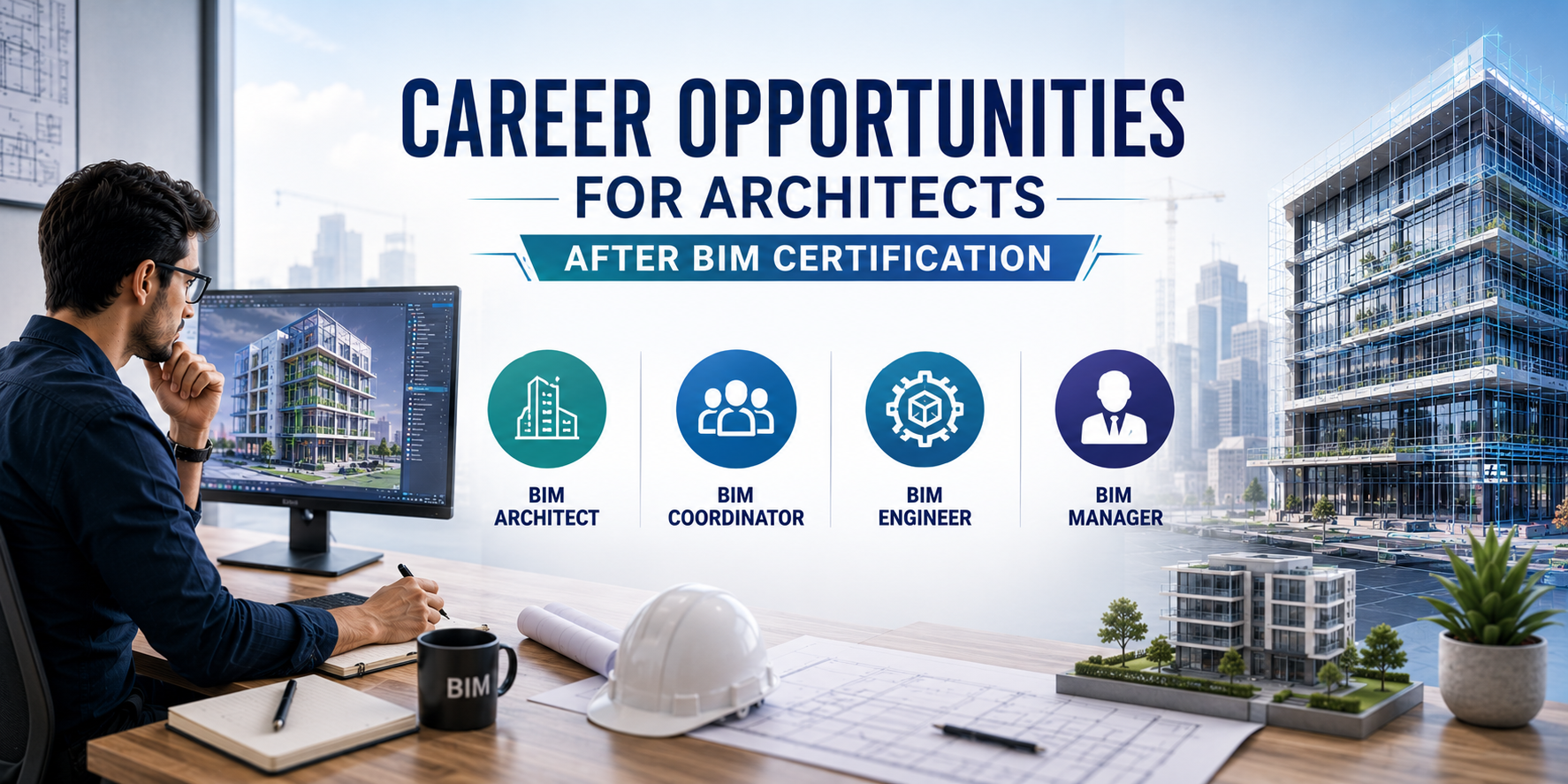

been going through a paradigm shift in how they handle, coordinate, and carry out building projects, because digital design now takes the spotlight. These days modern structures are so complex that you can’t sketch them using classic 2D drawing techniques. New industry market figures show that more than [70%](https://www.360researchreports.com/market-reports/building-information-modeling-bim-market-203631#:~:text=adopting%20digital%20workflows.-,Over%2070%20percent,-of%20large%20construction) of the world's largest architectural and construction firms are now using BIM on their projects to reduce errors and shorten timelines. It is no longer a luxury to have a formal BIM certification for licensed professionals or new graduates. It is a practical use case that allows designers to change their design thinking into data-driven spatial coordination, creating a clear pathway to lucrative leadership positions in the industry.
## **Key Takeaways**
- **Career Transformation:** A formal BIM certification shifts an architect’s daily value from traditional line drafting to highly technical data management.
- **Variety of Career Paths**: Certified professionals have the opportunity to switch into specialized BIM jobs, such as a modeling specialist, a BIM coordinator, or a BIM automation specialist.
- **The Management Blueprint:** Being a BIM manager involves a combination of the right team communication habits and software skills.
- **Industry Demand:** Structured BIM training fills the gap between creative design intent and error-free delivery of the digital construction.
Unlock High-Paying Careers With BIM
Master BIM workflows, software and skills on real projects.
Apply Now
\*Limited seats available
## **What Can Architects Do After Getting BIM Certified?**
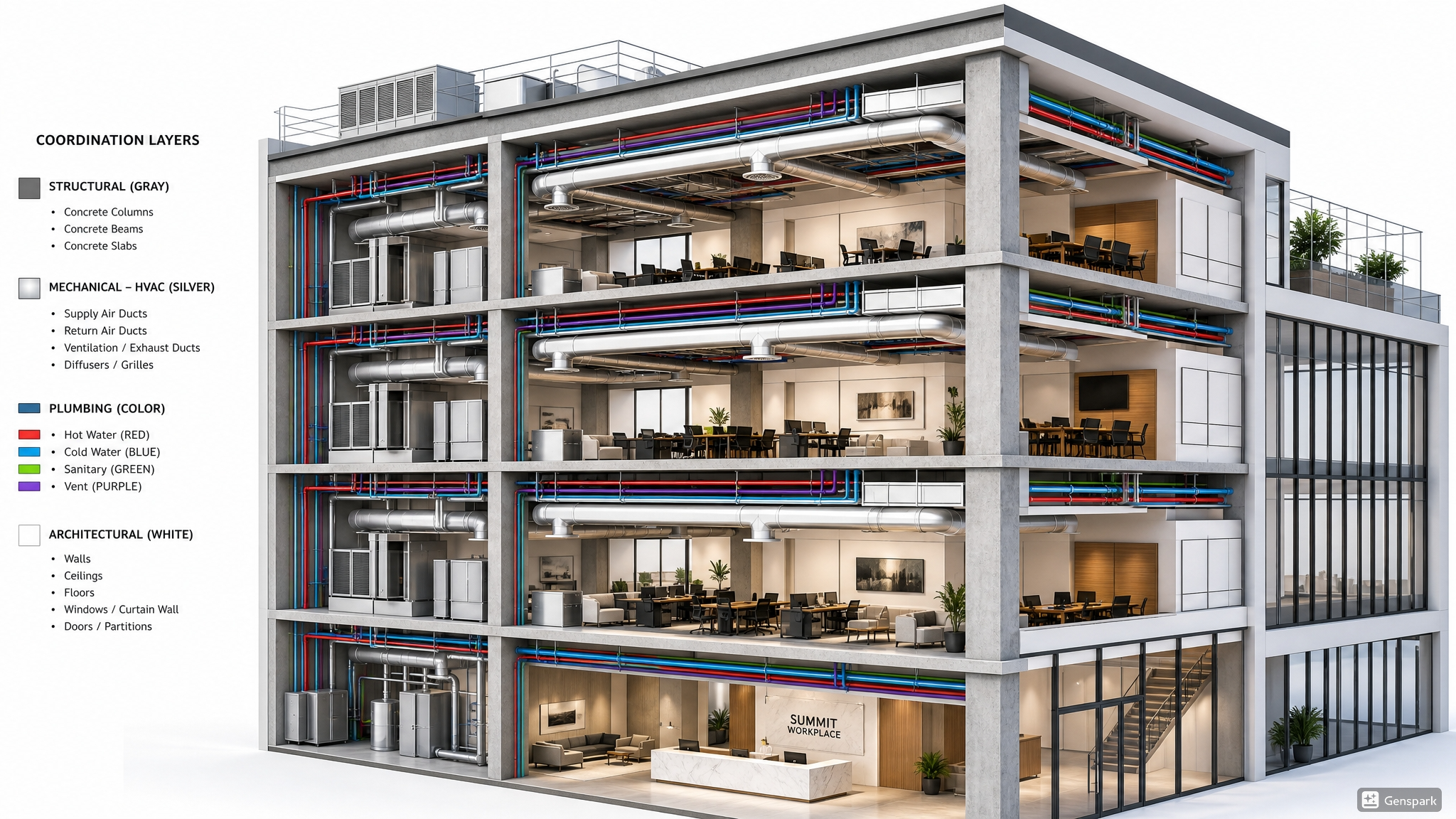
Many people think qualifying with a BIM certification means sitting behind a computer screen creating 3D geometry 24/7. In reality, modern BIM jobs are highly diverse and move your day-to-day tasks away from traditional line drawing into advanced digital data management.
Once you have completed your [BIM training](https://www.novatr.com/blog/is-bim-training-useful-for-quantity-surveyors), you can easily qualify for specialized AEC careers that focus on the following key areas:
- **Data Integration:** Incorporating accurate technical properties, such as material specifications, acoustic ratings, and structural limits, directly into a virtual 3D environment.
- **Design and Reality Crossovers:** Moving into specializedarchitect jobs that actively span the creative intent of design and reality of construction.
- **Workflow Optimization:** Beyond just drafting files, it is about managing the organization, and sharing building information with the whole project team.
## **Which BIM Roles Offer the Best Career Growth for Architects?**
Once digital coordination skills are thrown into the mix, the trajectory of [architecture careers](https://www.novatr.com/blog/smart-way-to-build-your-architecture-career-without-a-masters) shifts. Let's take a closer look at the common roles, typical goals, and comparison of them in the current market.
| **Job Title** | **Core Focus** | **Career Growth Potential** |
| --- | --- | --- |
| **BIM Architect** | Incorporating design ideas into detailed parametric 3D models. | Moderate; a direct progression from the traditional junior designer position. |
| **BIM Coordinator** | [Clash detection](https://www.novatr.com/blog/what-civil-engineers-should-know-about-clash-detection-in-bim) and cross team file management. | High; puts you in the middle of multi-disciplinary communication. |
| **BIM Engineer** | Relationship of architectural models to complex structural and MEP site systems. | High, very desirable to large general contractors. |
| **BIM Manager** | Establishing company-wide guidelines, policies and monitoring end-to-end digital delivery. | Excellent: a first class executive career in modern design companies. |
## **How Do Architects Move from BIM Modelling to Leadership Roles?**

The key to how to become a BIM manager after architecture school is to focus on managing the system rather than on the tasks. In a project ecosystem there should be a functional hierarchy which will allow us to go from a school to an executive desk.
- **The Entry Stage (BIM Modeler):** You likely have just started your career as aBIM architect. In this course, you will concentrate on creating clean files, learn how to develop smart architectural families, and ensure that 2D documentation is automatically updated as the[3D model](https://www.novatr.com/blog/3d-vs-4d-vs-5d-bim-definition-benefits-real-world-applications)evolves.
- **The Coordinator Stage:** After mastering your modeling skills, you move on to project coordination (The Coordinator). As a BIM coordinator you don't look at your own file anymore. You conduct clash detection meetings to cross-reference structural steel and mechanical systems with the architectural design to identify design issues before installation in the field.
- **The Leadership Tier (BIM Manager):** BIM management is not just about clicking buttons in software, it's about managing teams, writing execution plans, and controlling data flow between clients, engineers and builders. You are now a BIM manager, serving as a critical advisor, making sure all the firm functions as a well-oiled machine.
## What Skills Help Architects Grow Faster in BIM Careers?
Growing in a BIM career requires more than software knowledge. Architects who advance quickly combine technical expertise with strong collaboration and problem-solving skills.
### Technical Skills
- **Multi-Software Knowledge**
Understanding tools like Revit, Navisworks, and Autodesk Construction Cloud helps architects work across the complete BIM workflow.
- **Information Management**
[BIM models](https://www.novatr.com/blog/optimizing-hvac-system-design-using-bim-models) contain valuable project data. The ability to manage quantities, materials, costs, and schedules makes professionals more effective and valuable to teams.
- **Model Coordination**
Reviewing models, identifying clashes, and maintaining data accuracy are essential skills for handling complex projects.
### Soft Skills
- **Problem-Solving**
BIM projects often involve coordination and technical challenges. A structured approach to resolving issues helps keep projects on track.
- **Communication and Collaboration**
Architects regularly work with engineers, contractors, and [project managers](https://www.novatr.com/blog/5-certification-programmes-for-construction-project-manager-in-usa-to-upskill-in-2025). Clear communication helps ensure smoother project delivery.
- **Continuous Learning**
As [BIM, AI, and automation](https://www.novatr.com/blog/future-of-bim-and-ai-in-aec-industry) continue to evolve, staying updated with new tools and workflows can create more opportunities for career growth.
## **How Should Architects Plan Their BIM Career Journey Long-Term?**
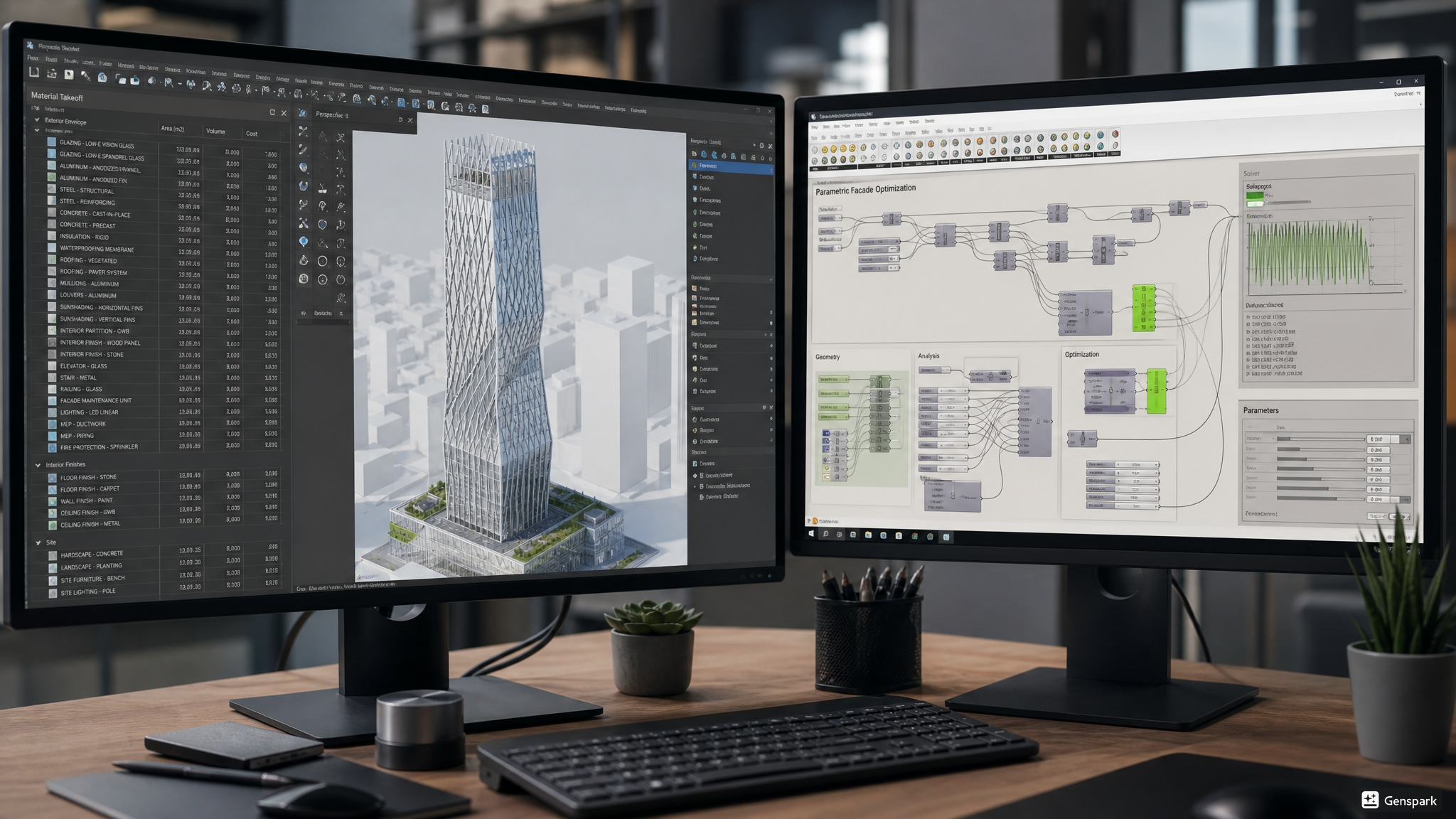
To be successful in the modern AEC, you need continuous upskilling. Structured learning pathways will make sure that you don't get into bad drafting habits that slow down massive commercial files.
For those seeking a clear path to the top, industry training programs are a good way to go. One of the best choices to consider is Novatr's[BIM Professional Program](https://www.novatr.com/courses/bim-professional-program?utm_source=organic_search&utm_medium=blog&utm_campaign=). Beyond the standard software commands, this project based course covers real world coordination protocols, advanced plug-in workflows and international standards that leading global design firms seek when recruiting leadership.
Master BIM and Get Hired Faster
Join a community of 8500+ Architects and Engineers.
Explore Now
\*Limited seats available
## **Conclusion**
Digital modeling pathways are the quickest route for architects to remain relevant and competitive in the building world. A formal BIM certification is the basis to break out of low paying manual drafting and enter into high in-demand technical coordination roles. These complex workflows require a serious amount of learning time, but the pay-off in a career is undeniable. Explore [BIM Professional Program](https://www.novatr.com/courses/bim-professional-program?utm_source=organic_search&utm_medium=blog&utm_campaign=) by [Novatr’s](https://www.novatr.com/) to get a better understanding on the ideal career path for architects after BIM Certification.
For additional articles on education, salary guides for the industry, and technical career advice, check out our[resource page](https://www.novatr.com/learning-hub).
## **FAQs**
### **1. What jobs can architects get after BIM certification?**
For those with a certified background, there are technical positions available in design studios and construction companies, answering what jobs can architects get after BIM certification with roles including BIM architect, BIM coordinator, design technology specialist, and digital delivery specialist.
### **2. What is the career path after learning BIM for architects?**
The standard route is to begin with a standard modeler or junior architect position. As you gain experience, you progress to a coordinator that manages multiple discipline conflicts and eventually to a management position that manages firm-wide digital standards.
### **3. Can architects become BIM managers?**
Yes, Architects make great managers because they are already familiar with design intent, building regulations and the project delivery cycle. When they add to that expertise and advanced digital training, they make for very effective managers.
Was this content helpful to you
Like Yes
Dislike No

TABLE OF CONTENTS
BIM Is The New Standard. Are You Certified?
Get Certified in BIM
SHARE ON YOUR SOCIALS
Link Copied Successfully
Related articles
[ BIM Self-Learning BIM vs Structured BIM Course: What’s More Effective? 22 June 2026 6 min read](https://blog.novatr.com/blog/self-learning-bim-vs-structured-bim-course) [ BIM Top Industry Applications for BIM: Where is BIM Used in Construction? 22 June 2026 7 min read](https://blog.novatr.com/blog/top-industry-applications-for-bim-where-is-bim-used-in-construction) [ BIM Civil What is 4D BIM? A Complete Guide to Construction Planning Using BIM 30 April 2026 6 min read](https://blog.novatr.com/blog/what-is-4d-bim-a-complete-guide-to-construction-planning-using-bim) [ BIM Online MBA vs BIM Careers: Which Offer Better Growth For Civil Engineers? 19 June 2026 4 min read](https://blog.novatr.com/blog/online-mba-vs-bim-careers-which-offer-better-growth-for-civil-engineers)
Download Syllabus
## BIM Professional Program
Next Cohort
June 2026
Program Duration
7 Months
Premium Program benefits
8 Credentials from Autodesk, NSDC, Novatr
1 program. 10 career paths. Infinite Growth.
40+ ISO 19650 & RIBA real-world projects to practice
1-on-1 guidance. Access 400+ industry experts.
Access the biggest AEC-Tech community on the planet. 8500+ and counting
Curated for you by 100+ global BIM leaders.
Lifelong access to course content
Enter your details to download the program syllabus.
##### BIM Professional Program
June 2026, 7 Months
Your Name Invalid name.
Phone Number Enter a valid phone number
Email Please enter a valid email address.
Select years of experience\* Currently studying 0-1 years 1-2 years 2-4 years 4-8 years 8-10 years 10-12 years 12+ years Invalid selection.
Specialisation Select your background\* Architecture Civil Engineering Mechanical Engineering Electrical Engineering Invalid selection.
Are you professionally trained in interior design?
Yes
No
I agree to the [Terms of Use](https://www.novatr.com/terms-and-conditions) and [Privacy Policy](https://www.novatr.com/privacy-policy), and consent to be contacted by Email, Call, WhatsApp, or SMS.
Submit
Ready to skyrocket your career?
Begin your next chapter in AEC
with Novatr!
We are here to help you take the industry by storm with advanced, tech-first skills.
[Explore Courses](https://www.novatr.com/#courses)
Join our newsletter
Submit
Thank you for signing up.
We’ll send you a nice letter once per week. No spam.

Dare to Disrupt.
Join thousands of people who organise
work and life with Novatr.
Company
- [About Us](https://www.novatr.com/about)
- [BIM Professional Program v.2026](https://www.novatr.com/courses/bim-professional-program)
- [Masters Computational Design](https://www.novatr.com/courses/computational-design)
- [Become a Mentor](https://www.novatr.com/apply-as-mentor)
- [Hiring from Us](https://www.novatr.com/hire-from-us)
- [Careers at Novatr](https://www.novatr.com/career)
Resources
- [Blog](https://www.novatr.com/learning-hub)
- [Media Room](https://www.novatr.com/media-room-home-page)
- [Career Builder](https://www.novatr.com/career-navigator)
- [Events & Webinars](https://www.novatr.com/webinars)
- [FAQs & Support Center](https://www.novatr.com/contact-us)
- [Contact Us](https://www.novatr.com/contact-us)
- [Privacy Policy](https://www.novatr.com/privacy-policy)
- [Terms of Use](https://www.novatr.com/terms-and-conditions)
©2023 Oneistox Network Pvt. Ltd.
All Rights Reserved
```json
{
"@context" : "https://schema.org",
"@type" : "BlogPosting",
"author" : {
"@type" : "Person",
"name" : "Neha Singh",
"url" : "https://blog.novatr.com/blog/author/neha-singh"
},
"dateModified" : "2026-06-22T11:53:46.786Z",
"datePublished" : "2026-06-22T11:45:55.000Z",
"headline" : "BIM Career Path for Architects after BIM Certification {{year}}",
"image" : [ "https://blog.novatr.com/hubfs/ChatGPT%20Image%20Jun%2022%2c%202026%2c%2005_15_02%20PM.png" ],
"mainEntityOfPage" : {
"@id" : "https://blog.novatr.com/blog/bim-career-path-for-architects-after-bim-certification",
"@type" : "WebPage"
},
"publisher" : {
"@type" : "Organization",
"logo" : {
"@type" : "ImageObject",
"url" : "https://blog.novatr.com/hubfs/Novatr%20Prev%20OX-2.svg"
}
}
}
```