---
title: Know the BIM Career Ladder From Entry Level to BIM Manager 2026
description: Discover the complete BIM career path, including entry-level roles, career progression, key responsibilities, & the skills needed to become a BIM Manager.
image: https://blog.novatr.com/hubfs/ChatGPT%20Image%20Jul%2022%2c%202026%2c%2010_42_52%20AM.png
---
[Blogs](https://www.novatr.com/learning-hub)
- [Architecture & Construction](https://www.novatr.com/learning-hub?category=Architecture+%26+Construction)
- [BIM](https://www.novatr.com/learning-hub?category=BIM)
- [Computational Design](https://www.novatr.com/learning-hub?category=Computational+Design)
- [Company News](https://www.novatr.com/learning-hub?category=Company+News)
- [Expert Talks](https://www.novatr.com/learning-hub?category=Expert+Talks)
Explore Courses
[Just Launched  BIM Professional Program v.2026 Take your career to the next level by mastering the real-world application of BIM. Know More](https://www.novatr.com/courses/bim-professional-program)
[ Master Computational Design Course Break into an advanced career by learning to apply the power of computation to the art of design. Know More](https://www.novatr.com/courses/computational-design)
[Blogs](https://www.novatr.com/learning-hub)
Explore Blogs
- [Architecture & Construction](https://www.novatr.com/learning-hub?category=Architecture+%26+Construction)
- [BIM](https://www.novatr.com/learning-hub?category=BIM)
- [Computational Design](https://www.novatr.com/learning-hub?category=Computational+Design)
- [Company News](https://www.novatr.com/learning-hub?category=Company+News)
- [Expert Talks](https://www.novatr.com/learning-hub?category=Expert+Talks)
Courses
- [BIM Professional Program v.2026](https://www.novatr.com/courses/bim-professional-program)
- [Master Computational Design](https://www.novatr.com/courses/computational-design)
- [BIM/](https://www.novatr.com/learning-hub?category=BIM)
Featured Article
# BIM Career Ladder: From Entry-Level Roles to BIM Manager

Pragya Sharma
July 22, 2026
7 min read
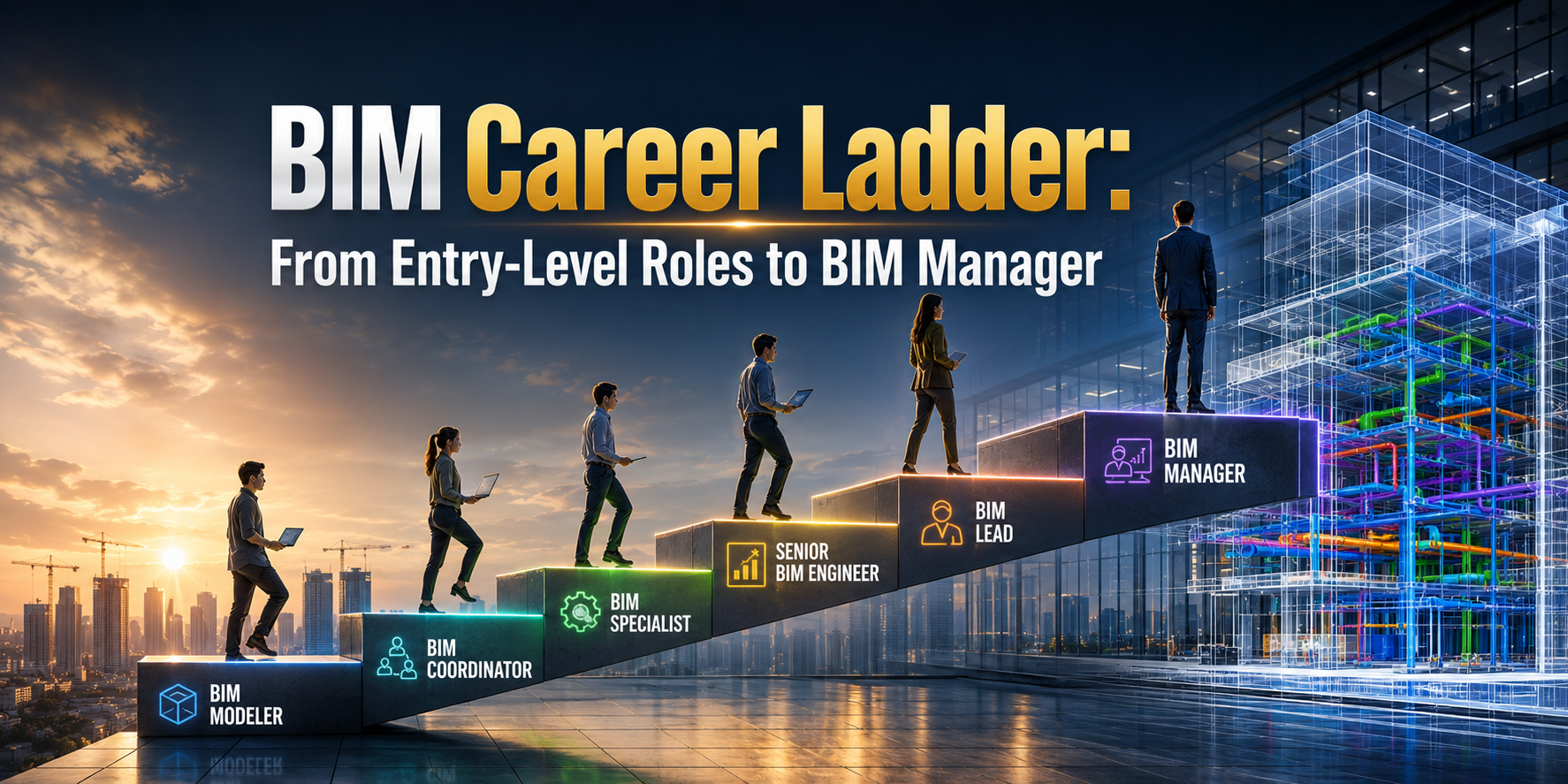

Building Information Modelling (BIM) has opened a new paradigm of career opportunities that didn’t exist a decade ago. This new-age technology has not only shifted how people work but also introduced entirely new specialisations and created demand for a digital skill set that the Architecture, Engineering, and Construction (AEC) industry is rapidly embracing.
Top design and build firms from around the world are actively introducing BIM in their creative and technical workflow. Even small and medium-sized companies as well as startups are now leaning on BIM as a promising tool for effective project delivery. Consequently, today, we are witnessing a substantial increase in the need for BIM-skilled professionals globally.
So, let’s explore the key BIM careers, responsibilities, and salaries in 2026.
## **Key Takeaways**
- The BIM career trajectory is characterised by a gradual and rewarding learning curve. Professionals in these roles tend to secure high-quality and well-paying jobs.
- BIM Trainee, BIM Modeller, BIM Coordinator, BIM Manager, and BIM Director are the fundamental roles one can explore.
- Since BIM is a future-forward technology, AEC professionals must sign up for courses, attend conferences, and participate in workshops to understand the subject better.
- The average salary of BIM professionals is 1.5 to 2 times higher than that of individuals in traditional architecture and engineering roles.
Unlock High-Paying Careers With BIM
Master BIM workflows, software and skills on real projects.
Apply Now
\*Limited seats available
## **How Does a Typical BIM Career Progress?**
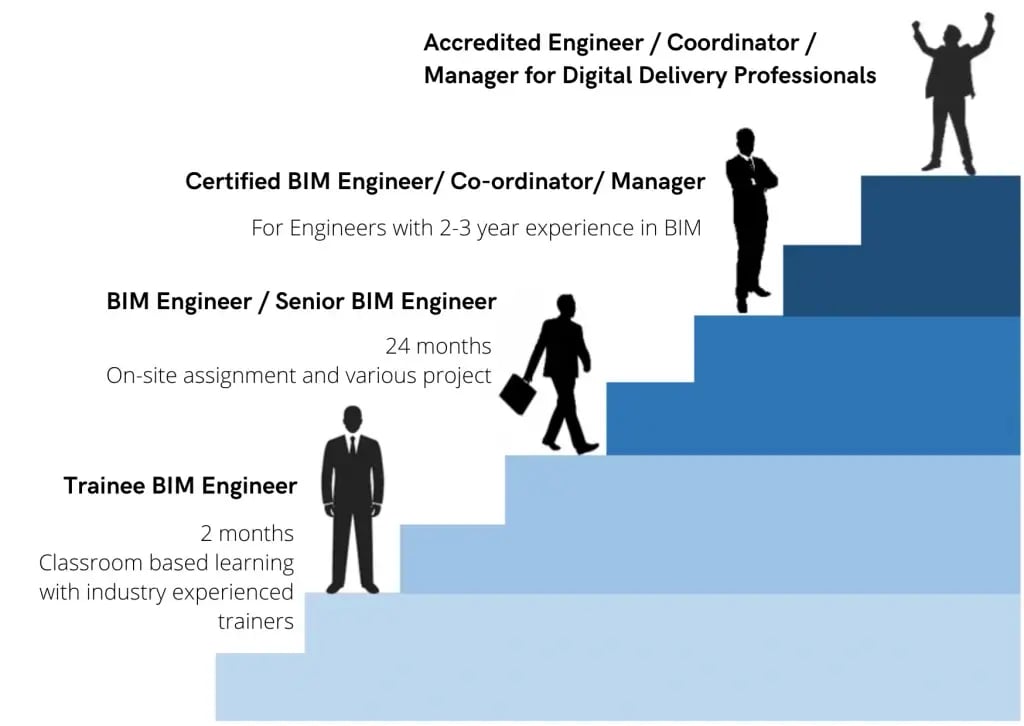
After upskilling in BIM, individuals can go up the career ladder by moving from modelling roles to team and project management. Let’s explore the BIM career hierarchy:
### **1. BIM Trainee**
This is where most professionals begin their BIM journey. Interns start by learning software, understanding [BIM workflows](https://www.novatr.com/blog/bim-coordination-workflow-explained-stages-tools-and-standards), and assisting seniors with modelling, documentation, and project coordination to gain hands-on experience.
### **2. BIM Modeller**
BIM Modellers are also titled BIM Engineers or BIM Architects based on their domain expertise. They are responsible for developing accurate 3D models for architectural, structural, or MEP disciplines. Additionally, they take care of design revisions and ensure the models comply with project standards.
### **3. BIM Coordinator**
With 2-3 years of experience, professionals move into coordination roles. BIM Coordinators integrate models from different disciplines, perform clash detection, resolve design conflicts, and facilitate collaboration between architects, engineers, consultants, and contractors.
### **4. BIM Specialist**
Considered a mid-seniority BIM career, these professionals focus on improving project delivery through advanced BIM workflows and technical expertise. They develop BIM standards, automate repetitive tasks, manage data, and support teams in implementing best practices across projects.
### **5. BIM Manager**
After gaining 5-7 years of experience, BIM Managers oversee an organisation's BIM implementation strategy. They establish BIM standards, manage project workflows, mentor teams, ensure quality control, and coordinate BIM execution across multiple projects.
### **6. BIM Consultant**
Whether freelancing or working in a full-time role, BIM Consultants advise organisations on adopting and optimising BIM processes. They assess existing workflows, recommend implementation strategies, develop BIM Execution Plans (BEPs), and help clients improve collaboration and project outcomes.
### **7. BIM Director**
This is one of the highest leadership positions in the BIM ecosystem, reached after 10+ years of experience. BIM Directors define a company’s [digital construction](https://www.novatr.com/blog/bim-and-digitalisation-in-construction) strategy, lead BIM teams across business units, drive innovation, and ensure BIM aligns with long-term business and project goals.
## **What Skills and Responsibilities Change at Each Level?**
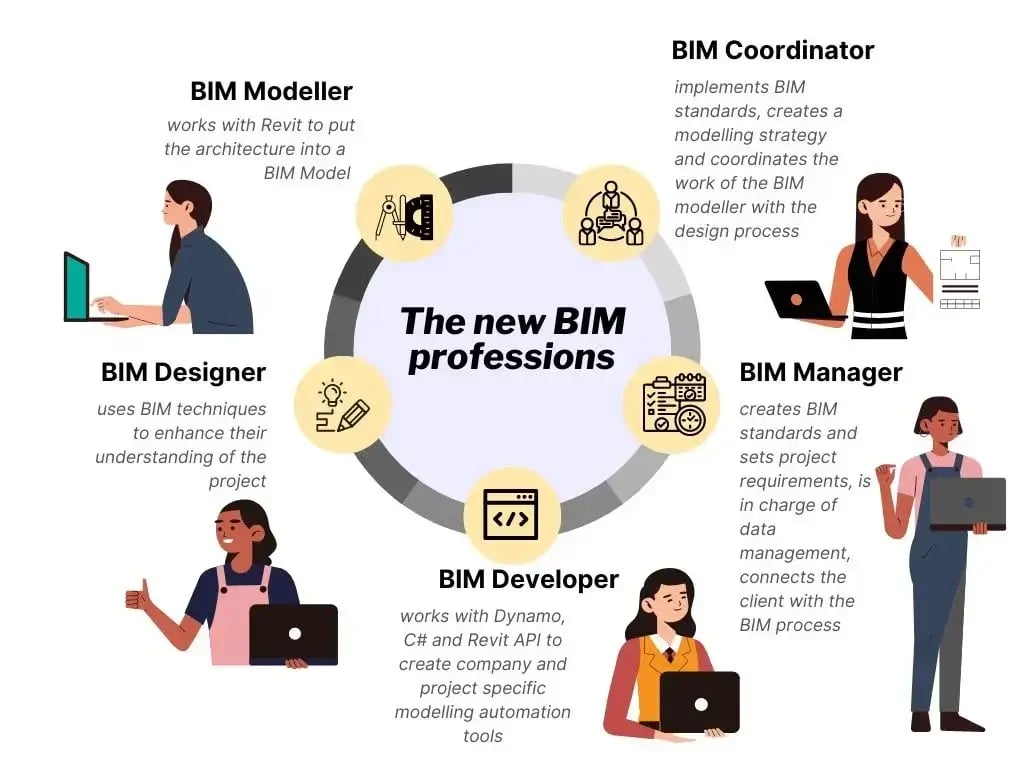
At every stage of a BIM career, the skills needed for professional development keep upgrading. Additionally, each role brings a new scope of work. Here’s how individuals need to upgrade at each level of transition:
**BIM Trainee to BIM Modeller:** The shift is centred on technical proficiency. Professionals are expected to move beyond learning the [software](https://www.novatr.com/blog/8-popular-bim-software) and begin creating accurate BIM models with minimal supervision.
**BIM Modeller to BIM Coordinator:** At this stage, technical skills are complemented by coordination abilities. Instead of working only on individual models, professionals begin collaborating with multiple disciplines, resolving clashes, and ensuring design consistency across the project.
**BIM Coordinator to BIM Specialist:** The role expands from project coordination to process improvement. Professionals are expected to develop BIM standards, automate workflows, troubleshoot technical issues, and improve the overall efficiency of BIM implementation.
**BIM Specialist to BIM Manager:** In this transition, leadership skills become equally important as technical expertise. BIM Managers take ownership of project planning, team mentoring, quality assurance, client communication, and organisation-wide BIM implementation.
**BIM Manager to BIM Consultant:** The focus shifts from managing individual project teams to advising on different projects. Consultants require strong analytical skills, a deep understanding of BIM standards, and the ability to recommend implementation strategies for diverse projects.
**BIM Consultant to BIM Director:** At the highest level, success depends on strategic thinking rather than software expertise alone. BIM Directors [guide digital transformation initiatives](https://www.novatr.com/blog/how-to-build-a-bim-first-culture-in-construction-teams), influence organisational decisions, manage large multidisciplinary teams, and align BIM with long-term business goals.
## **How Do Salaries and Career Growth Compare Across BIM Roles?**
**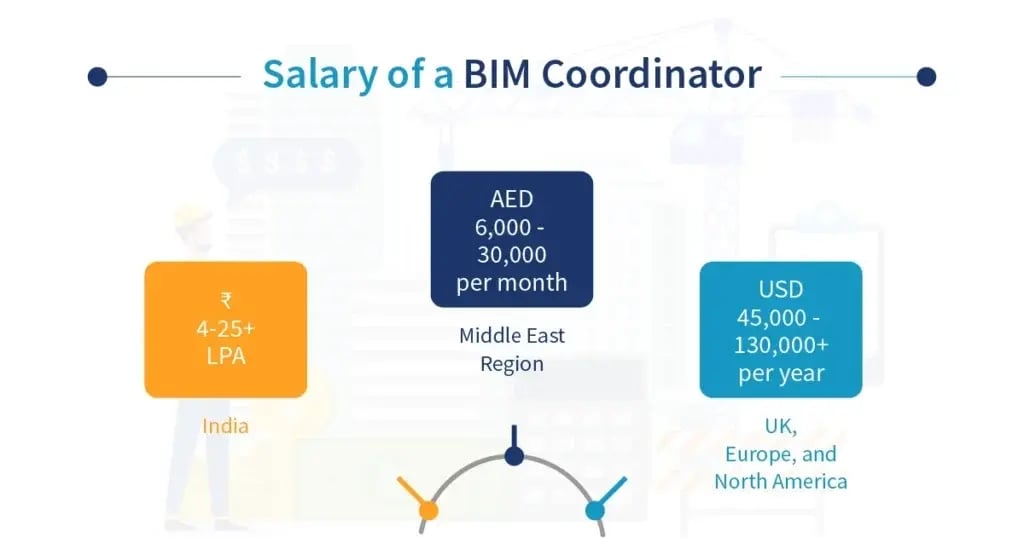**
BIM skills increase the earning potential of architects and engineers. They not only strengthen the [portfolio](https://www.novatr.com/blog/bim-portfolio-tips) but also make professionals more competitive in the job market. Let’s dive deeper into India’s BIM salary data:
- BIM trainees: They earn between ₹2.5- 4.5 LPA, depending on their location, employer, and educational background.
- BIM Modellers: After gaining hands-on project experience, BIM Modellers can expect salaries ranging from ₹4- 7 LPA.
- BIM Coordinator: With greater project exposure and multidisciplinary [coordination](https://www.novatr.com/blog/how-bim-coordination-works-in-real-projects) experience, salaries typically increase to ₹7-12 LPA.
- BIM Specialist: Professionals working as BIM Specialists generally earn between ₹10- 15 LPA, based on their expertise and years of experience.
- BIM Manager: At the management level, annual salaries usually range from ₹15- 25 LPA, particularly in large AEC firms and multinational organisations.
- [BIM Consultant](https://www.novatr.com/blog/how-to-become-bim-consultant): They can earn anywhere between ₹18- 30 LPA, especially when advising enterprise clients or working with global firms.
- BIM Director: Among the highest-paying BIM roles, they often earn ₹30 LPA and above, depending on the organisation's size and their leadership responsibilities.
## **Which Software and Technical Skills Should You Learn Along the Way?**
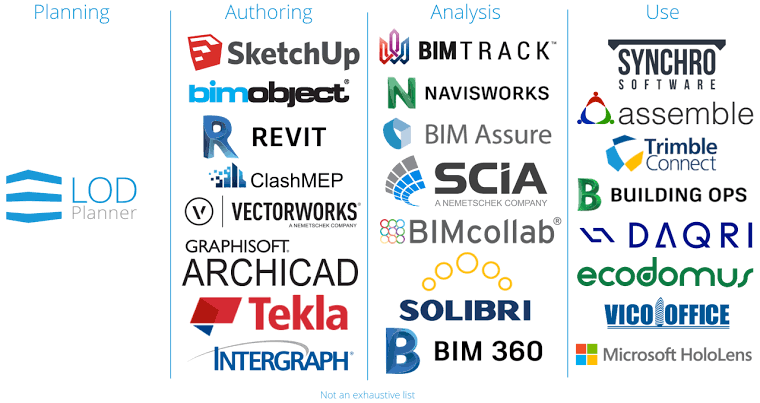
To secure relevant BIM jobs, individuals must invest their time in learning software, [construction technology](https://www.novatr.com/blog/emerging-construction-technology-trends), interpersonal skills, and digital construction tools. Here’s the list of skills needed to become a proficient candidate:
**BIM Modelling Software:** Tools such as Revit, ArchiCAD and Civil 3D allow professionals to create intelligent 3D models. This helps in designing, iteration, and documentation during the design and planning stage.
**Coordination and Clash Detection:** Software such as Navisworks, Revizto, AutoCAD MEP, and Solibri allows teams to identify design conflicts, eliminate errors and avoid costly rework during construction.
**BIM Standards:** A sound understanding of ISO 19650, BIM Execution Plans (BEPs), and Level of Development (LOD) ensures projects follow consistent workflows and data management practices.
**Common Data Environments (CDE):** Platforms such as [Autodesk Construction Cloud (ACC)](https://www.novatr.com/blog/autodesk-construction-cloud-acc-complete-guide)and Trimble Connect centralise project information. This makes collaboration and document management easier and more efficient.
**Construction Knowledge:** Beyond software, professionals should understand construction methods, building systems, and interdisciplinary coordination to develop practical, buildable models.
**Automation and Data Management:** As BIM adoption grows, skills in visual programming, workflow automation, and structured data management can significantly improve productivity. Professionals skilled in AI, digital twins, and [robotics](https://www.novatr.com/blog/robotics-in-prefabricated-mep-construction) can further level up their BIM careers.
**Communication Skills:** Having strong communication and collaboration skills is crucial for effectively working with architects, engineers, contractors, and clients. This also assists in securing leadership positions within the BIM fraternity.
## **How Can You Accelerate Your BIM Career Growth?**
The best way to [kickstart and boost your BIM career](https://www.novatr.com/blog/kickstart-your-bim-career) is to enrol in structured BIM courses and gain hands-on BIM experience. As a fresh graduate or a final year student in B.Arch or B. E, you can start reading blogs, seeing YouTube videos, and following AEC content creators to attain superficial knowledge on the subject. You can also consider signing up for short-term courses on LinkedIn Learning, Udemy, or Coursera to deepen your understanding while also continuing your traditional engineering jobs or architecture careers.
But if you seek advanced training in BIM workflows, processes, and tools, we recommend the [BIM Professional Program](https://www.novatr.com/courses/bim-professional-program?utm_source=organic_search&utm_medium=blog&utm_campaign=&tblci=GiaDFMKB) by [Novatr](https://www.novatr.com/). The course faculty includes top industry professionals who share practical insights, case studies, and real-life challenges to explain BIM concepts. Additionally, students learn 10+ BIM software, coordination, and documentation, making this BIM certification course truly unique. This helps learners effectively grasp the technical skills and mindset needed to pursue BIM careers.
Master BIM and Get Hired Faster
Join a community of 8500+ Architects and Engineers.
Explore Now
\*Limited seats available
## **Conclusion**
Architects and engineers skilled in BIM stand a better chance of landing lucrative, high-paying jobs. Firms like Zaha Hadid Architects, AECOM, Bjarke Ingels Group, Populous, Gensler, and Foster + Partners actively keep hiring for BIM roles. So, individuals need to invest in BIM skills, which can help them stay relevant in the industry.
For this purpose, we suggest you explore the [BIM Professional Program](https://www.novatr.com/courses/bim-professional-program?utm_source=organic_search&utm_medium=blog&utm_campaign=&tblci=GiaDFMKB) by [Novatr](https://www.novatr.com/). The course is curated to span over a period of 7 months, during which participants learn how to use BIM software, workflows, and processes. Students also get the opportunity to work on capstone projects while receiving assistance for resume building and placement aid to build formidable AEC careers.
Explore the [course](https://www.novatr.com/courses/bim-professional-program?utm_source=organic_search&utm_medium=blog&utm_campaign=&tblci=GiaDFMKB) today!
For more industry updates, join us on our [WhatsApp channel](https://whatsapp.com/channel/0029Vb7Gy2LBFLgMx79j7B1b?tblci=GiaDFMKB) or head to our [resource page](https://www.novatr.com/learning-hub).
## **FAQs**
### **1. How do you start a career in BIM?**
Start by learning BIM software and workflows through a structured training program, followed by hands-on project experience and relevant certifications.
### **2. What is the first job role in a BIM career?**
Most professionals begin their BIM journey as a BIM Trainee before progressing to roles such as BIM Modeller and BIM Coordinator.
### **3. Which BIM role offers the highest salary?**
Among the common BIM career paths, BIM Director is typically the highest-paying role due to its strategic leadership and organisation-wide responsibilities.
Was this content helpful to you
Like Yes
Dislike No

TABLE OF CONTENTS
BIM Is The New Standard. Are You Certified?
Get Certified in BIM
SHARE ON YOUR SOCIALS
Link Copied Successfully
Related articles
[ BIM Self-Learning BIM vs Structured BIM Course: What’s More Effective? 22 June 2026 6 min read](https://blog.novatr.com/blog/self-learning-bim-vs-structured-bim-course) [ BIM Civil Metro vs Airport Projects: How BIM Workflows Differ? 5 June 2026 9 min read](https://blog.novatr.com/blog/metro-vs-airport-projects-how-bim-workflows-differ) [ BIM Civil Want to Work on Mеtro Projеcts? Lеarn Thеsе BIM Skills 28 May 2026 7 min read](https://blog.novatr.com/blog/bim-skills-for-metro-projects-and-infrastructure-careers) [ BIM How To Transition from Tekla Modeler to a High-Paying BIM Engineer 11 November 2025 7 min read](https://blog.novatr.com/blog/how-to-transition-from-tekla-modeler-to-a-high-paying-bim-engineer)
Download Syllabus
## BIM Professional Program
Next Cohort
June 2026
Program Duration
7 Months
Premium Program benefits
8 Credentials from Autodesk, NSDC, Novatr
1 program. 10 career paths. Infinite Growth.
40+ ISO 19650 & RIBA real-world projects to practice
1-on-1 guidance. Access 400+ industry experts.
Access the biggest AEC-Tech community on the planet. 8500+ and counting
Curated for you by 100+ global BIM leaders.
Lifelong access to course content
Enter your details to download the program syllabus.
##### BIM Professional Program
June 2026, 7 Months
Your Name Invalid name.
Phone Number Enter a valid phone number
Email Please enter a valid email address.
Select years of experience\* Currently studying 0-1 years 1-2 years 2-4 years 4-8 years 8-10 years 10-12 years 12+ years Invalid selection.
Specialisation Select your background\* Architecture Civil Engineering Mechanical Engineering Electrical Engineering Invalid selection.
Are you professionally trained in interior design?
Yes
No
I agree to the [Terms of Use](https://www.novatr.com/terms-and-conditions) and [Privacy Policy](https://www.novatr.com/privacy-policy), and consent to be contacted by Email, Call, WhatsApp, or SMS.
Submit
Ready to skyrocket your career?
Begin your next chapter in AEC
with Novatr!
We are here to help you take the industry by storm with advanced, tech-first skills.
[Explore Courses](https://www.novatr.com/#courses)
Join our newsletter
Submit
Thank you for signing up.
We’ll send you a nice letter once per week. No spam.

Dare to Disrupt.
Join thousands of people who organise
work and life with Novatr.
Company
- [About Us](https://www.novatr.com/about)
- [BIM Professional Program v.2026](https://www.novatr.com/courses/bim-professional-program)
- [Masters Computational Design](https://www.novatr.com/courses/computational-design)
- [Become a Mentor](https://www.novatr.com/apply-as-mentor)
- [Hiring from Us](https://www.novatr.com/hire-from-us)
- [Careers at Novatr](https://www.novatr.com/career)
Resources
- [Blog](https://www.novatr.com/learning-hub)
- [Media Room](https://www.novatr.com/media-room-home-page)
- [Career Builder](https://www.novatr.com/career-navigator)
- [Events & Webinars](https://www.novatr.com/webinars)
- [FAQs & Support Center](https://www.novatr.com/contact-us)
- [Contact Us](https://www.novatr.com/contact-us)
- [Privacy Policy](https://www.novatr.com/privacy-policy)
- [Terms of Use](https://www.novatr.com/terms-and-conditions)
©2023 Oneistox Network Pvt. Ltd.
All Rights Reserved
```json
{
"@context" : "https://schema.org",
"@type" : "BlogPosting",
"author" : {
"@type" : "Person",
"name" : "Pragya Sharma",
"url" : "https://blog.novatr.com/blog/author/pragya-sharma"
},
"dateModified" : "2026-07-22T05:15:48.766Z",
"datePublished" : "2026-07-22T05:13:29.000Z",
"headline" : "Know the BIM Career Ladder From Entry Level to BIM Manager {{year}}",
"image" : [ "https://blog.novatr.com/hubfs/ChatGPT%20Image%20Jul%2022%2c%202026%2c%2010_42_52%20AM.png" ],
"mainEntityOfPage" : {
"@id" : "https://blog.novatr.com/blog/bim-career-ladder",
"@type" : "WebPage"
},
"publisher" : {
"@type" : "Organization",
"logo" : {
"@type" : "ImageObject",
"url" : "https://blog.novatr.com/hubfs/Novatr%20Prev%20OX-2.svg"
}
}
}
```